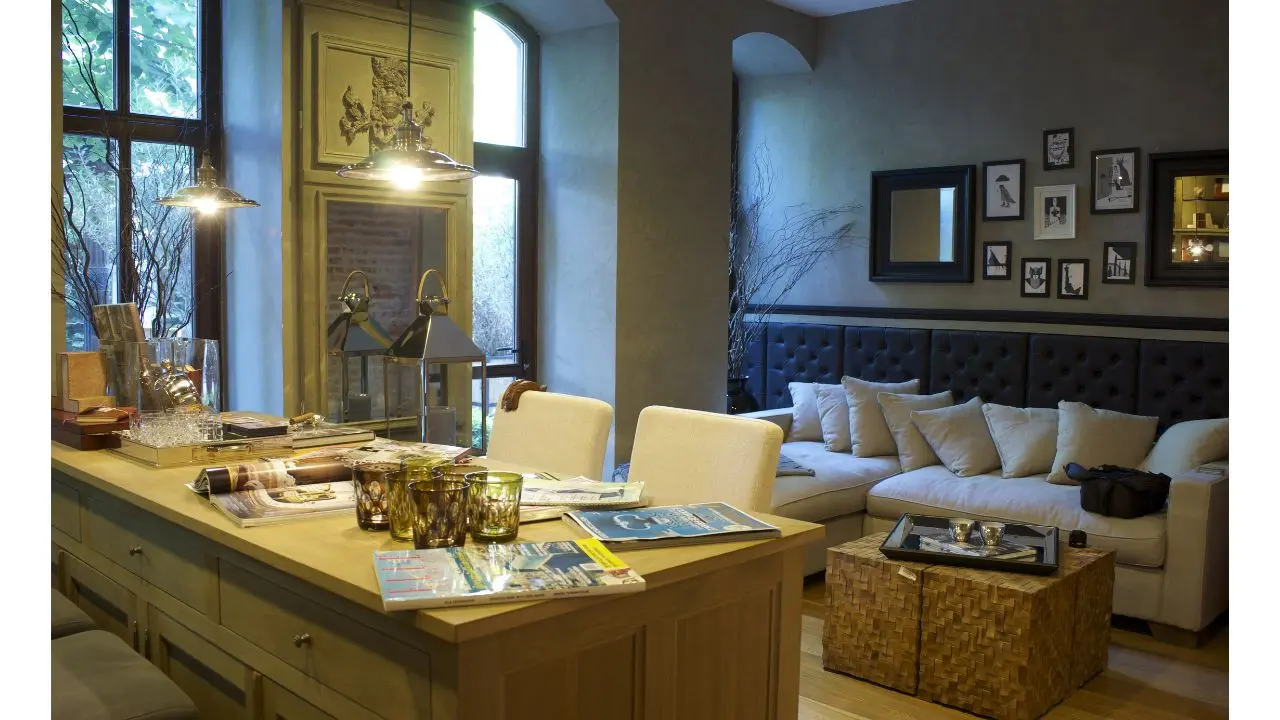
DIY lighting ideas using LED strip lights, wall decorative lights, and LED bulbs to transform your home easily.

DIY lighting
Good lighting can completely change the feel of a room. It shapes how a space looks, how it feels to live in, and how guests experience your home. The good news is that you do not need a major renovation or a big budget to get there. With a few smart choices and some hands-on effort, you can transform ordinary rooms into inviting, well-lit spaces.
From adding an LED strip light behind your TV to arranging wall decorative lights in a creative pattern, DIY lighting upgrades are more accessible than ever. This guide walks you through practical hacks, room by room, so you can get started right away.
Why Lighting Matters More Than You Think
Most homeowners focus on furniture and paint when redesigning a room. Lighting often comes last. But lighting is actually the element that ties everything together. It adds depth, highlights textures, and sets the mood for any activity, from a quiet evening in to a lively dinner party.
Poor lighting flattens a space and makes it feel dull. The right lighting, on the other hand, makes colours look richer, rooms feel larger, and details more noticeable. A few targeted changes can make a surprisingly big difference.
Start with Layered Lighting
Professional interior designers almost always use a layered lighting approach. This means combining three types of light in each room: task, ambient, and accent. Ambient light gives general illumination. Accent lighting adds drama and visual interest. Task lighting targets specific areas, such as kitchen counters or reading nooks.
Most rooms in homes rely too heavily on a single overhead light. By adding layers, you immediately create a more dynamic and comfortable environment.
How to Layer Lighting on a Budget
- Replace a single overhead bulb with a mix of floor lamps and table lamps
- Use LED bulbs for home fixtures to reduce energy use while improving light quality
- Add under-shelf lighting in the kitchen for practical task illumination
- Place a warm-toned lamp in reading corners to create a cosy focal point
Smart Ways to Use an LED Strip Light
One of the most versatile and affordable lighting tools available today is the LED strip light. It comes in flexible rolls that you can cut, bend, and stick to almost any surface. The applications are wide-ranging, and the effect can be stunning when done thoughtfully.
Behind a television or monitor, an LED strip light reduces eye strain and creates a soft glow that makes the screen appear more vivid. Under a bed frame, it adds a floating effect that feels both modern and restful. Along stair edges or hallway baseboards, it provides subtle safety lighting that also looks great.
Popular LED Strip Light Placement Ideas
- Behind TV units or entertainment panels for ambient backlight
- Under kitchen cabinets to light countertops evenly
- Along the perimeter of a false ceiling for a floating glow effect
- Inside bookshelves to highlight books and decorative objects
- Under bathroom vanity units for a soft, spa-like feel
When choosing a strip, opt for one with an adjustable colour temperature if possible. Warm white (around 2700K to 3000K) suits living rooms and bedrooms. Cool white (4000K and above) works better in kitchens and work areas.
Using Wall Decorative Lights to Add Character
Wall decorative lights serve a dual purpose. They provide illumination and also act as a visual art on the wall. From geometric sconces to rope lights arranged in patterns, wall lighting is one of the easiest ways to add personality to a space without a full redesign.
In a bedroom, a pair of wall-mounted reading lights on either side of the headboard frees up bedside table space and looks clean and intentional. In a hallway, a row of small decorative wall lights creates a welcoming path from the entrance to the main living areas.
For a creative DIY approach, try arranging wall decorative lights in a starburst pattern, a trailing vine shape, or along the outline of a mirror. These small design choices turn a plain wall into a feature that draws the eye.
Rooms Where Wall Lighting Works Best
- Bedrooms: beside the bed for reading and ambience
- Hallways and entryways: to guide movement and create warmth
- Dining areas: flanking a mirror or artwork for a restaurant feel
- Bathrooms: beside the vanity mirror for flattering, even light
Tips for Choosing LED Bulbs Room by Room
- Living room: warm white (2700K), dimmable preferred
- Kitchen: neutral to cool white (3500K to 4000K) for clear visibility
- Bedroom: warm white (2700K) for a restful atmosphere
- Bathroom: neutral white (3000K to 4000K) for accurate colour rendering
- Home office or study: cool daylight (5000K) to support focus
Creative DIY Lighting Projects to Try
- Mason jar pendants: Perfect above kitchen islands, these can be fitted with warm LED bulbs to create a cosy, handcrafted glow.
- Clustered hanging bulbs: Suspend multiple LED bulbs for the home at varying heights in a corner to turn unused space into a dramatic reading nook.
- Wire-frame chandeliers with string lights: Add character and soft ambience to dining or lounge areas.
- Rope lighting accents: Trace architectural details like arches or beams for subtle emphasis.
- Floating shelf highlights: Install an LED strip light beneath shelves and pair it with wall decorative lights to create a layered, stylish display area.
Common Lighting Mistakes and How to Avoid Them
- Using only one overhead light: A single fixture creates harsh shadows. Combine layers with LED strip light and accent lighting for balance.
- Mixing colour temperatures: Blending warm and cool tones causes visual discomfort. Keep the LED strip light consistent within a room.
- Skipping dimmers or controls: Smart home wall decorative lights allow easy brightness adjustments for different moods and needs.
- Mounting lights too high: Wall fixtures work best at eye level for effective illumination.
- Overlooking natural light: Use mirrors and reflective surfaces to enhance daylight indoors.
Final Thoughts
Transforming your home's lighting does not require an electrician, a big budget, or weeks of work. A thoughtful combination of an LED strip light behind furniture, carefully placed wall decorative lights, and the right LED bulbs for home fixtures can take a room from flat to full of life.
Start small. Pick one room, experiment with layering light, and see how quickly the atmosphere changes. Once you experience the difference good lighting makes, you will find yourself looking at every room in your home with fresh eyes.
Subscribe today by clicking the link and stay updated with the latest news!" Click here!