shot-button
Home > Buzzfeed > Rethinking Bike Taxis in Maharashtras Urban Mobility Debate

Rethinking Bike Taxis in Maharashtra’s Urban Mobility Debate

Updated on: 04 April,2026 01:56 PM IST  |  Mumbai
Buzzfeed | faizan.farooqui@mid-day.com

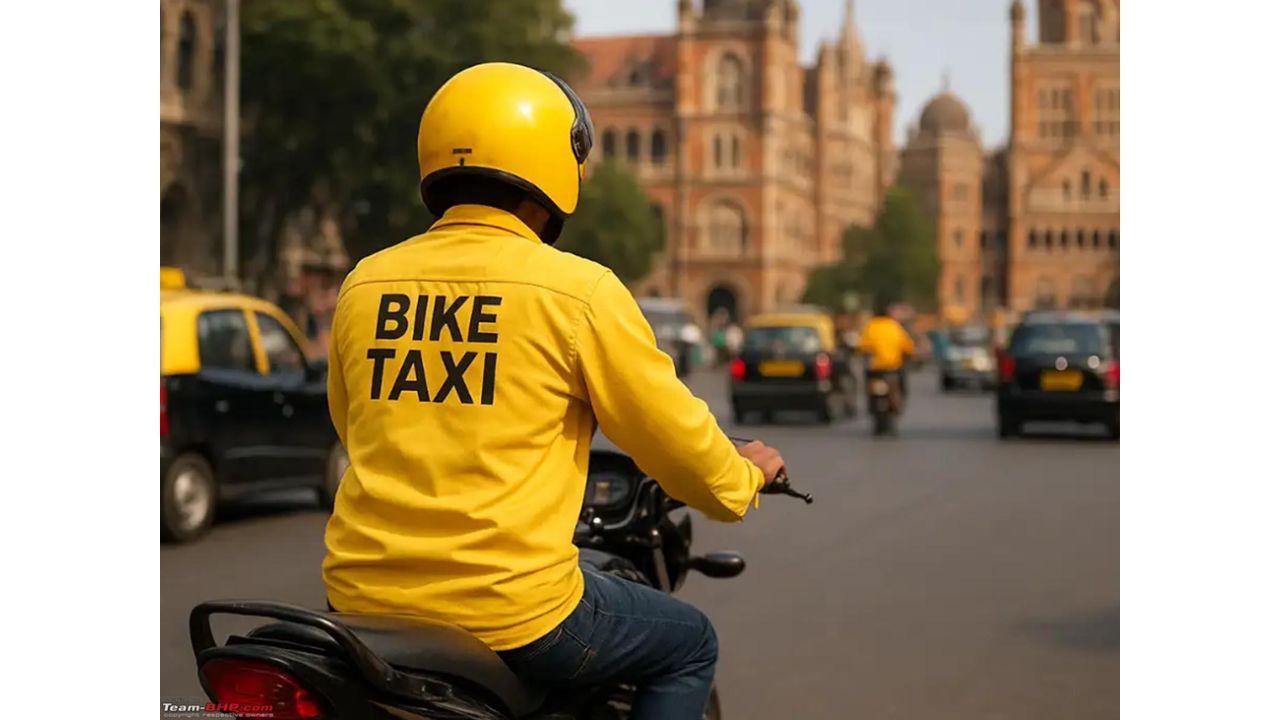
Bike taxis could ease congestion in Mumbai and Pune, offering affordable, efficient urban mobility solutions.

Rethinking Bike Taxis in Maharashtra’s Urban Mobility Debate

Balancing Livelihoods and Sustainability in Maharashtra’s Transport Strategy

In cities like Mumbai and Pune, commuting is increasingly defined by unpredictability. Even short distances can take far longer than expected, and peak-hour traffic continues to test the limits of existing infrastructure. The latest TomTom Traffic Index places Pune among the most congested cities globally, while Mumbai’s congestion levels remain consistently high. As urban planners and policymakers grapple with these pressures, attention is turning to mobility options that can complement existing systems rather than attempt to replace them.

One such option is bike taxis. Their role in Maharashtra, however, remains uncertain, following regulatory reversals and ongoing policy deliberations. This presents an opportunity to reassess their place in the state’s transport framework through a more evidence-based lens.

Across cities where they are permitted, bike taxis tend to influence urban mobility in three key ways: livelihoods, affordability, and efficiency.


To begin with livelihoods, bike taxis have emerged as a flexible source of income for a segment of urban workers. The relatively low entry barrier compared to traditional commercial vehicles allows individuals to participate without significant upfront investment. For many, this serves as either a primary source of income or a supplementary earning stream. In an expanding gig economy, such models are increasingly relevant, particularly where formal job creation has lagged.

Affordability is another dimension where bike taxis have demonstrated utility. For commuters, especially those undertaking short-distance or last-mile trips, they offer a lower-cost alternative to conventional ride-hailing services. While public transport remains an affordable option in a city like Mumbai, it is also widely acknowledged that these systems are overburdened and often operate beyond capacity during peak hours. In cities with extensive but crowded public transport systems, this can help bridge connectivity gaps without materially increasing travel costs. The relevance of this becomes clearer against the backdrop of rising urban living expenses.

Efficiency, particularly in high-density cities, is perhaps the most visible advantage. 

Two-wheelers are better suited to navigating congested roads and narrower streets, reducing travel time for point-to-point journeys. They also occupy less road space compared to cars while transporting the same number of passengers, which can contribute, at the margin, to easing congestion pressures. While not a standalone solution, their role as a complementary mode is difficult to overlook. In addition, their ability to provide quick first-mile and last-mile connectivity to larger public transport systems such as suburban rail, metro networks, and bus corridors makes them a useful link within the broader urban mobility chain.

Importantly, this model is already operational in several parts of the country. States such as Karnataka, Telangana, and Delhi have introduced frameworks, with varying degrees of regulation, to accommodate bike taxis. Recent proceedings in the Karnataka High Court have further underscored the need for regulatory clarity rather than outright prohibition, bringing focus to issues of licensing, safety, and compliance.

At the national level, policy signals have also evolved. In a recent response in the Rajya Sabha, Union Minister Nitin Gadkari noted that the Motor Vehicle Aggregator Guidelines, 2025 enable states to permit the aggregation of two-wheelers for passenger mobility. The guidelines explicitly reference outcomes such as improved affordability, reduced congestion, and livelihood creation, while leaving implementation to state governments.

This effectively places the responsibility of regulatory design with states, including Maharashtra.

One area where this design becomes particularly important is the state’s approach to electrification. Maharashtra’s inclination to allow only electric two-wheelers for bike taxi operations aligns with its broader climate commitments. However, the readiness of the ecosystem raises practical considerations.

Electric two-wheeler adoption in India is growing, but constraints remain. Vehicle acquisition costs are still relatively high for many potential driver-partners. Charging infrastructure, while expanding, is unevenly distributed, particularly in dense urban neighbourhoods where many gig workers reside. Financing access also continues to be a limiting factor.

In this context, an immediate transition to an entirely electric bike taxi fleet may prove difficult to implement at scale. Such a requirement could slow adoption, both by discouraging driver participation and by limiting service availability. A phased approach may offer a more workable pathway. Allowing a mix of internal combustion engine and electric two-wheelers in the near term, while introducing incentives for gradual electrification, could enable a smoother transition. As costs decline and infrastructure improves, a larger share of the fleet can transition without disrupting service continuity.

There is also a fiscal aspect to consider. A regulated bike taxi ecosystem could create an additional revenue stream for the state through commercial permits and licensing frameworks. Estimates suggest that this could amount to an “xx” figure annually. Such revenues could potentially be reinvested into strengthening urban transport systems or supporting the welfare of existing stakeholders such as auto-rickshaw drivers.

Ultimately, the question before Maharashtra is not whether bike taxis should replace existing modes of transport. Rather, it is whether they can be integrated into a broader, multimodal system that addresses the varied needs of urban commuters. Cities like Mumbai are unlikely to see a single solution to their mobility challenges. Incremental improvements across multiple modes are more likely to deliver sustainable outcomes. In that context, bike taxis represent one such addition, modest in scale but potentially meaningful in impact. As the state continues to evaluate its policy direction, a calibrated approach that balances safety, sustainability, and accessibility could help ensure that emerging mobility options are assessed not in isolation, but as part of a larger urban transport strategy.

"Exciting news! Mid-day is now on WhatsApp Channels Subscribe today by clicking the link and stay updated with the latest news!" Click here!

Buzzfeed Service e-bike taxis mumbai mumbai traffic

This website uses cookie or similar technologies, to enhance your browsing experience and provide personalised recommendations. By continuing to use our website, you agree to our Privacy Policy and Cookie Policy. OK