Home / Lifestyle / Health & Fitness / Photos /
IN PHOTOS: Decoding the role of artificial intelligence in early cancer diagnosis
Updated On: 21 December, 2023 05:12 PM IST | Editor
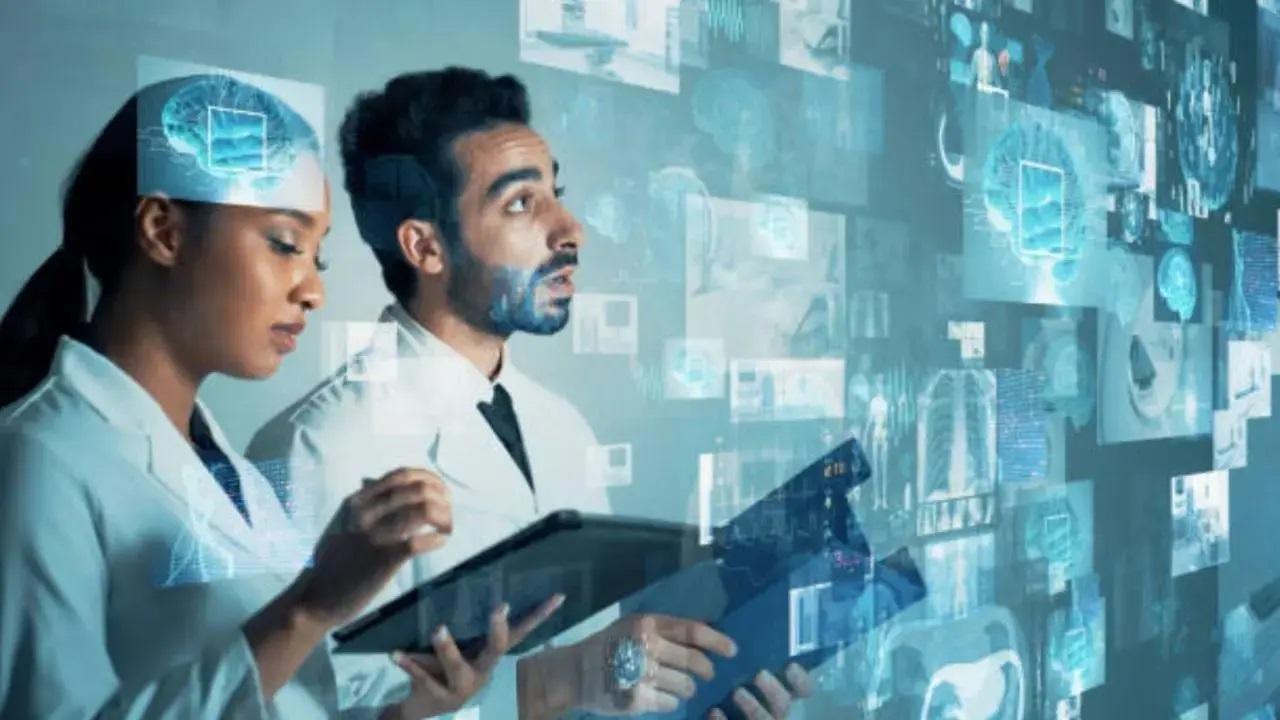
Artificial intelligence excels in handling data-intensive tasks. By automating initial analysis of medical imaging, AI systems can reduce the workload on healthcare professionals and detect more precise cancer diagnosis



1/6
2/6
One of the key ways AI contributes to diagnostic accuracy is through its ability to analyse complex patterns in medical images. Traditional methods of interpreting images, such as X-rays, MRIs or CT scans, often rely on the expertise of radiologists who may at times overlook subtle indicators of cancer – remarks Tandekar
ADVERTISEMENT
3/6
AI, however, can process massive datasets at incredible speeds, identifying patterns that may be imperceptible to the human eye. This capability allows for the detection of early-stage cancers, where the subtlest abnormalities may be indicative of the disease.
4/6
Machine learning algorithms – a subset of AI, thus, play a pivotal role in this enhancement of diagnostic accuracy. These algorithms learn from vast datasets, continuously improving their ability to recognise patterns and anomalies
ADVERTISEMENT
5/6
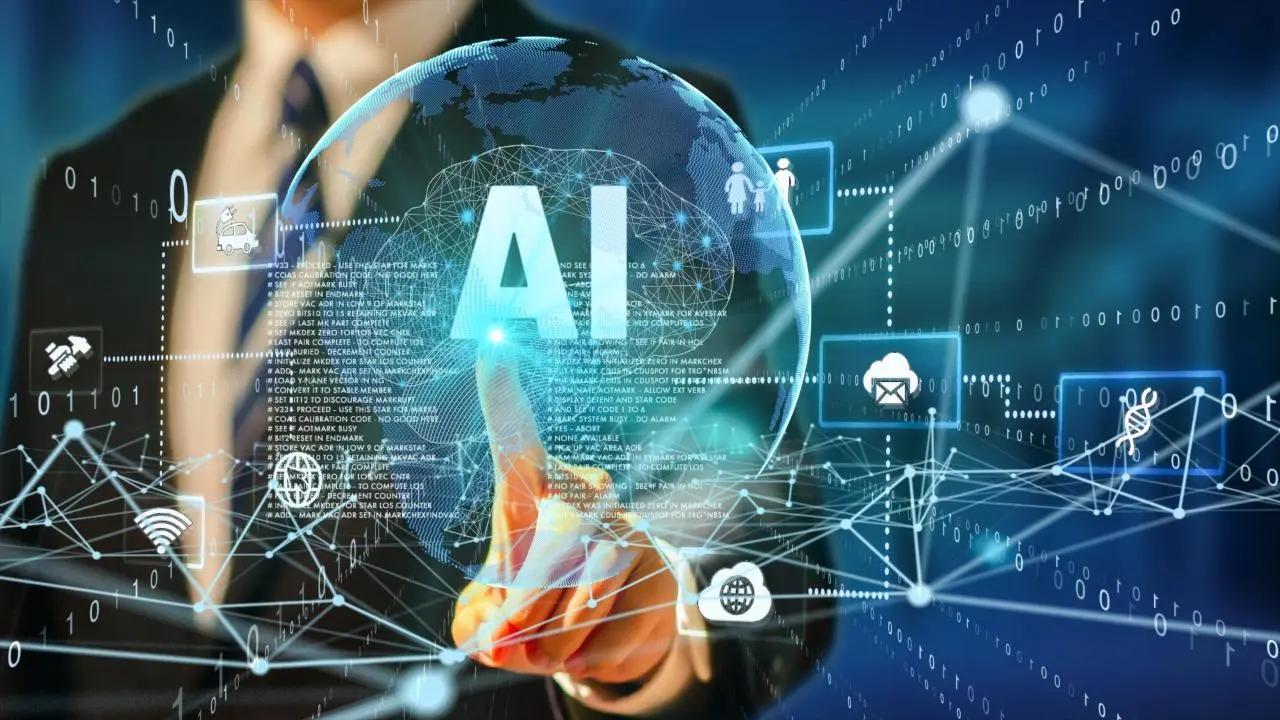
In the context of medical imaging, they can be trained on a diverse range of images representing both normal and cancerous conditions. As a result, the algorithm becomes adept at distinguishing between various tissue types, lesions and abnormalities, contributing to more accurate diagnoses
6/6
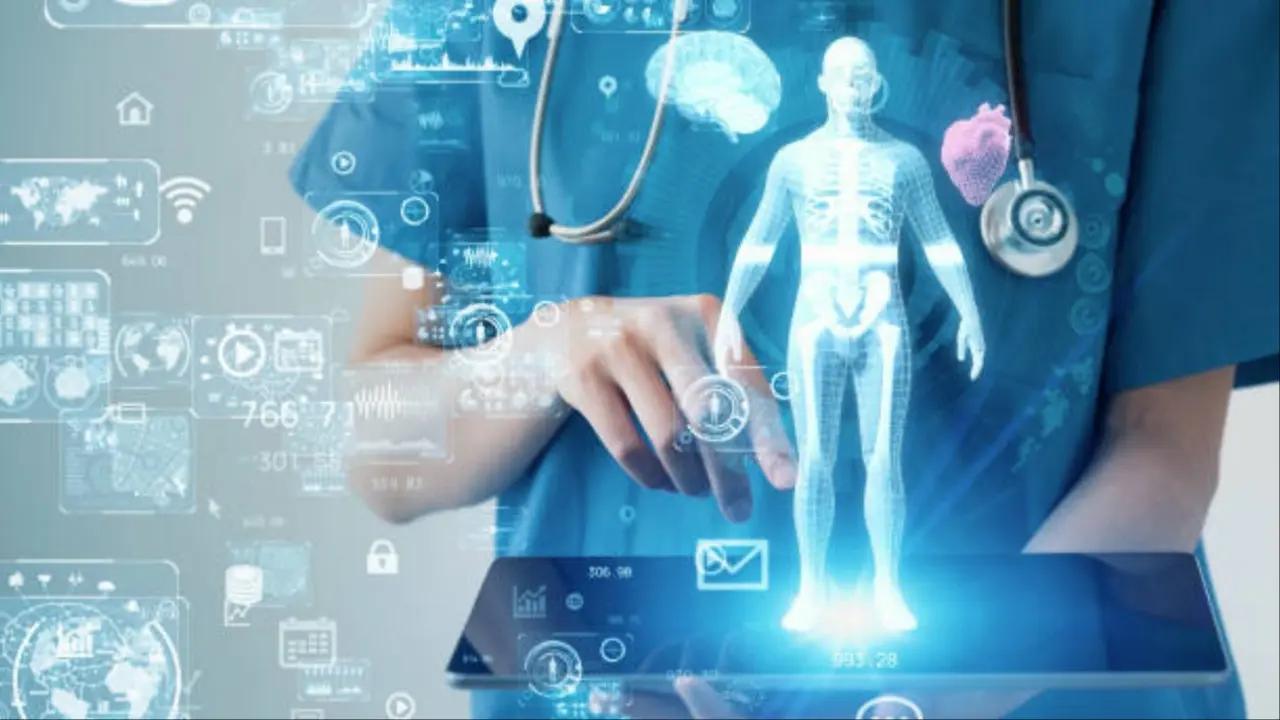
Furthermore, AI offers the advantage of consistency and reliability. Human radiologists may experience fatigue or be influenced by external factors, potentially impacting their diagnostic accuracy. AI systems, on the other hand, maintain a consistent level of performance regardless of external conditions. This reliability can be particularly crucial in time-sensitive situations where quick and accurate diagnoses are imperative
ADVERTISEMENT
ADVERTISEMENT
Photo of Day
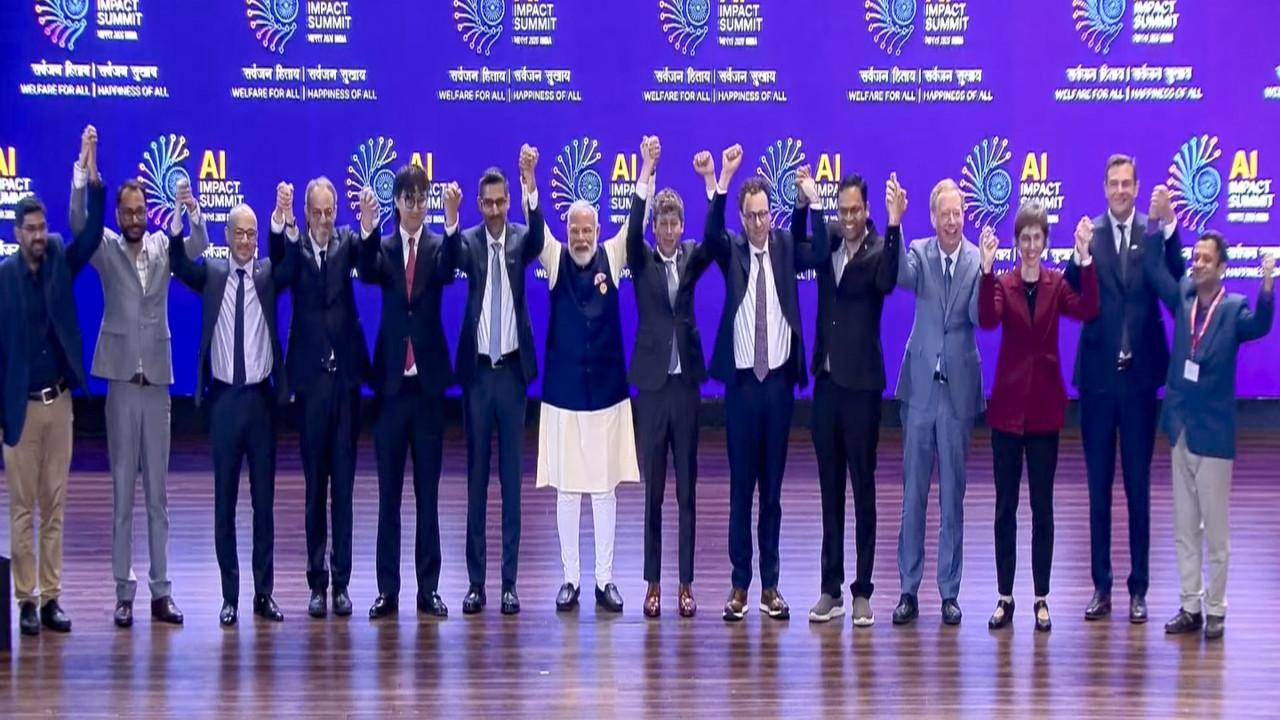
Global AI leaders join PM Modi in a bid to push for a smarter, inclusive future
PM Narendra Modi joins hands with Google CEO Sundar Pichai, OpenAI CEO Sam Altman, and others during the India AI Impact Summit 2026, in New Delhi. PIC/PTI
ADVERTISEMENT