Home / Mumbai / Mumbai News / Photos /
IN PHOTOS | Thackeray cousins: Then vs now — political divide and reunion after two decades
Updated On: 14 January, 2026 05:25 PM IST | Anushree Gaikwad
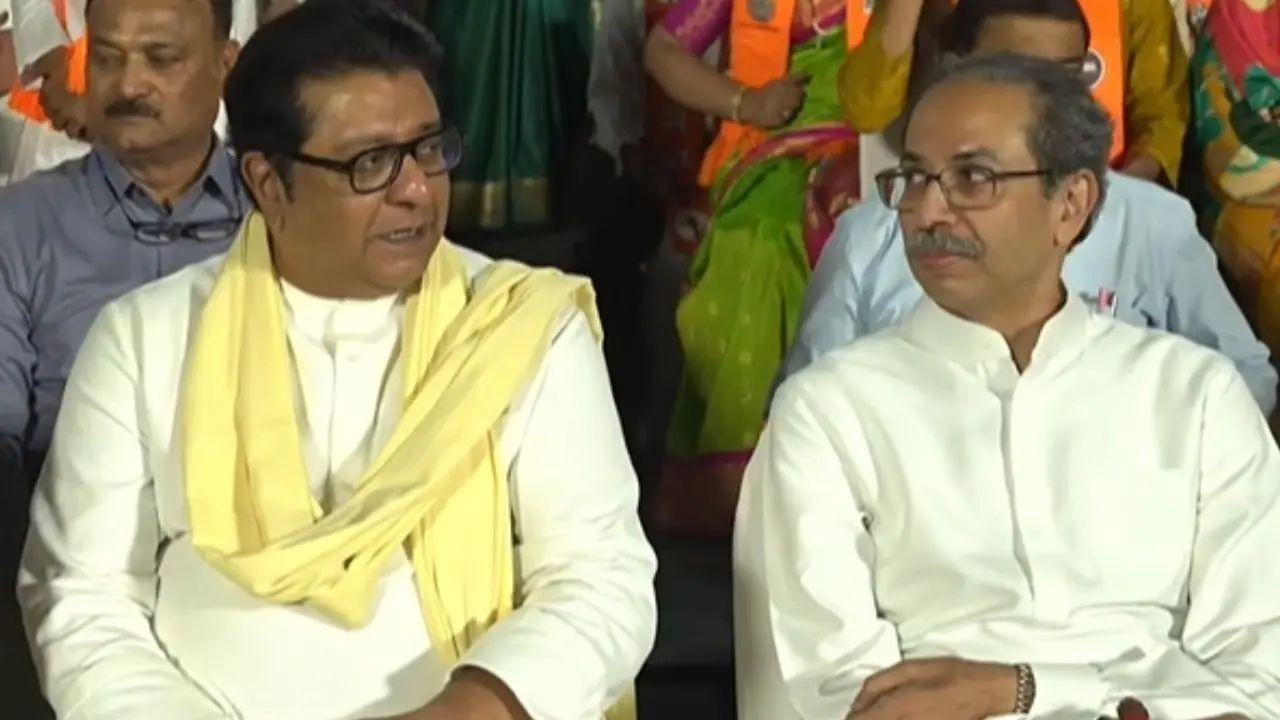
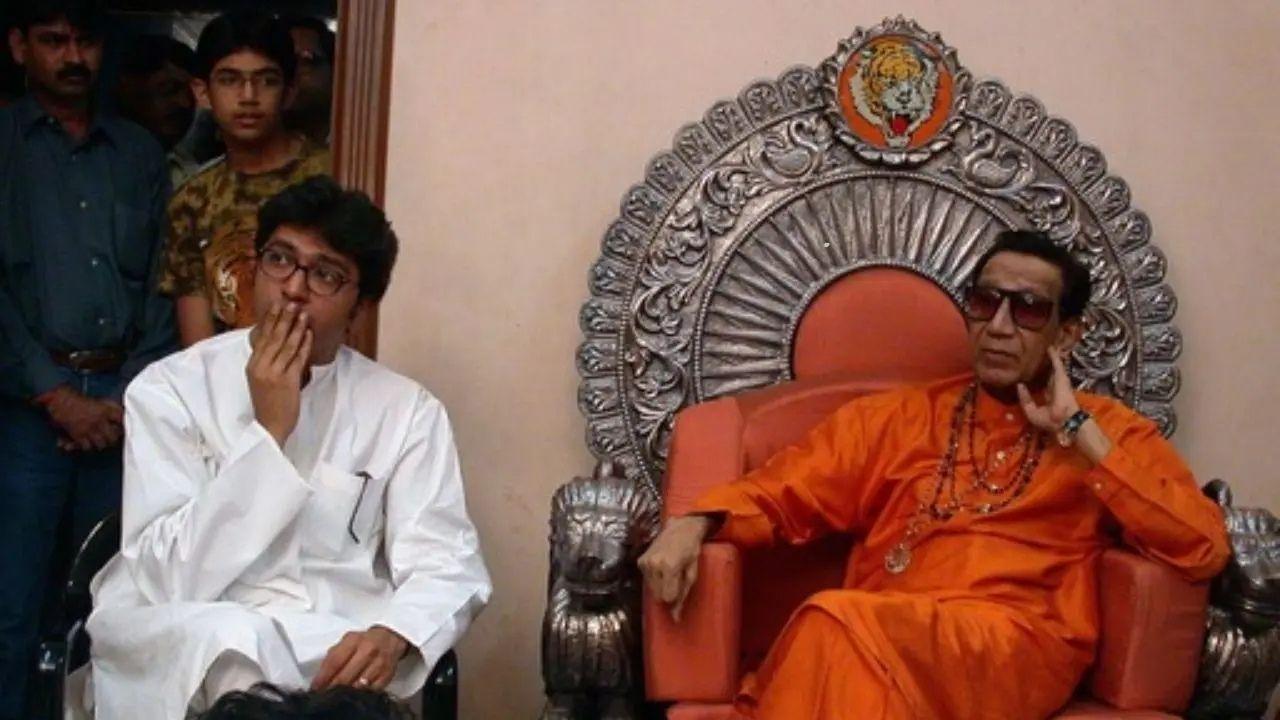
In a surprising turn of events in Maharashtra politics, cousins Raj Thackeray and Uddhav Thackeray joined forces to fight Brihanmumbai Municipal Corporation (BMC) 2026, ending a political divide that has lasted over two decades. Once rivals leading separate political journeys, the alliance between the two cousins marks a historic moment in the state’s political landscape. Here's a glimpse of then vs now photos of the cousins (PICS/ RANE ASHISH, SCREENGRABS, FILE PICS)




1/8
2/8
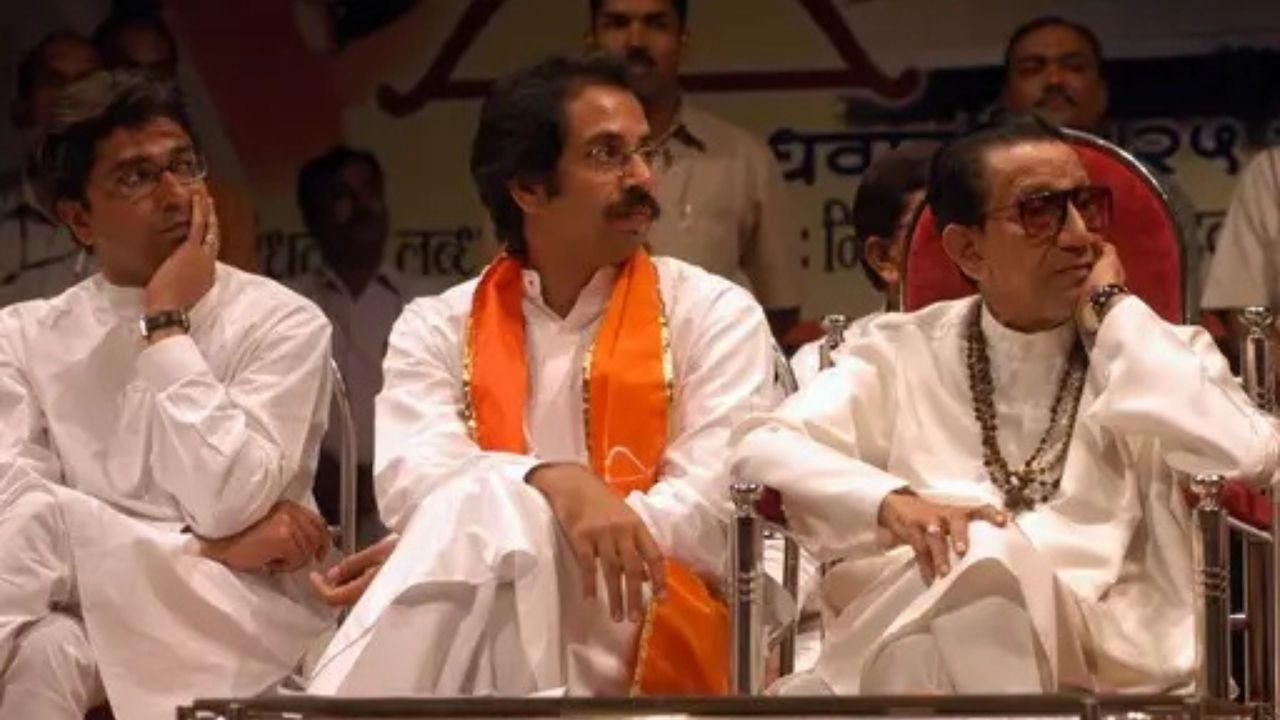
Uddhav Thackeray, son of the late Bal Thackeray, inherited the leadership of the Shiv Sena. FILE PIC
ADVERTISEMENT
3/8
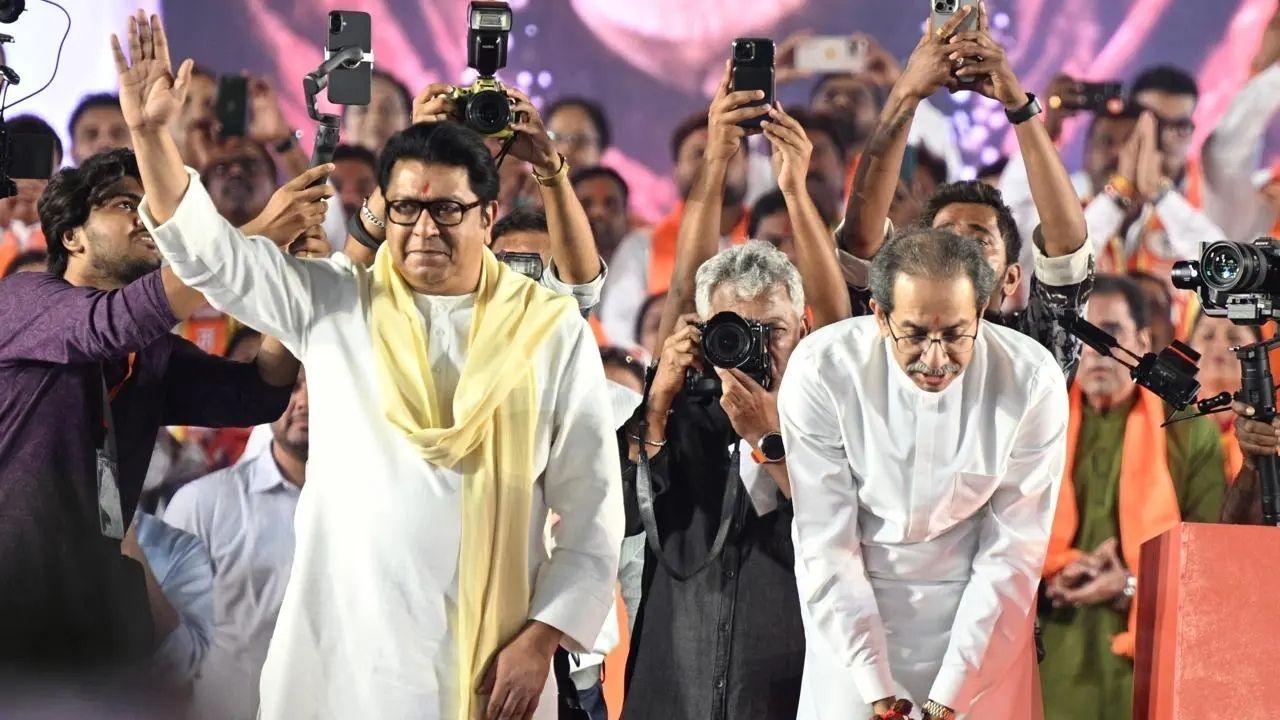
On the other hand, Raj Thackeray founded the Maharashtra Navnirman Sena (MNS) in 2006 after leaving the Shiv Sena and took an assertive, and at times controversial, stance on regional issues. PIC/ RANE ASHISH
4/8
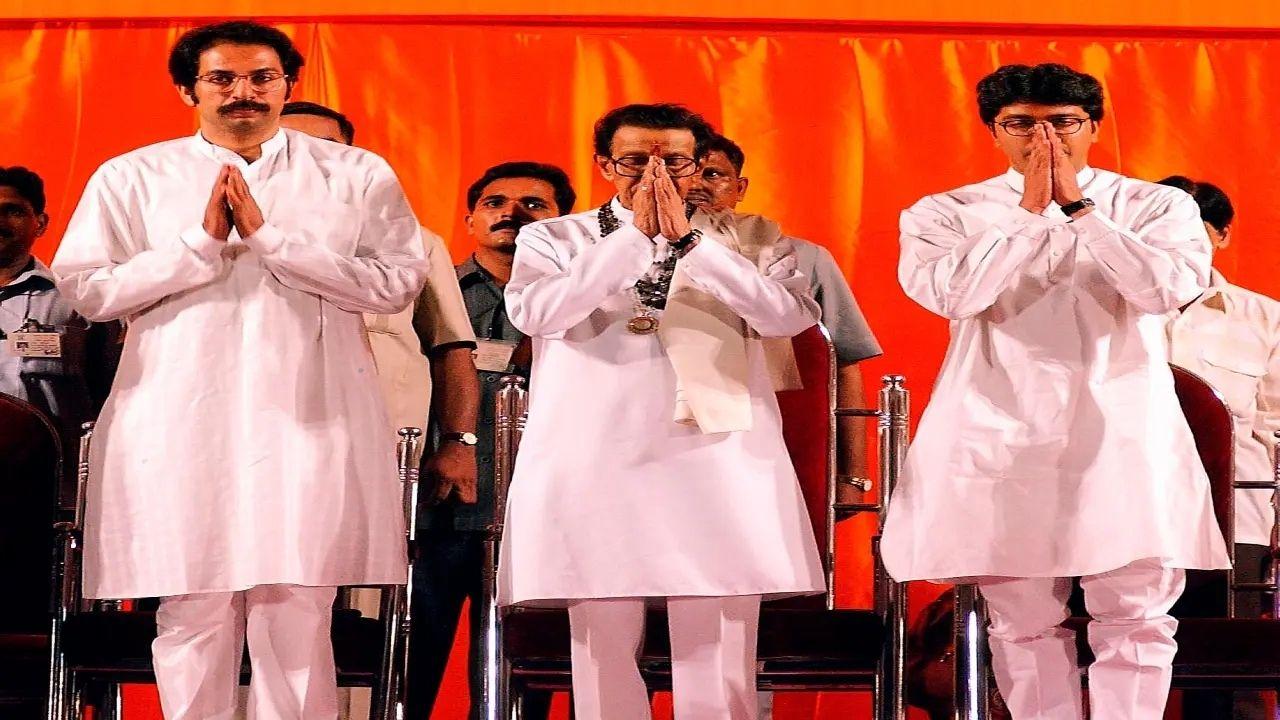
Their reunion is not only symbolic but strategic, especially with the upcoming civic elections, where unity between Shiv Sena and MNS could consolidate regional votes and challenge other political rivals. FILE PIC
ADVERTISEMENT
5/8
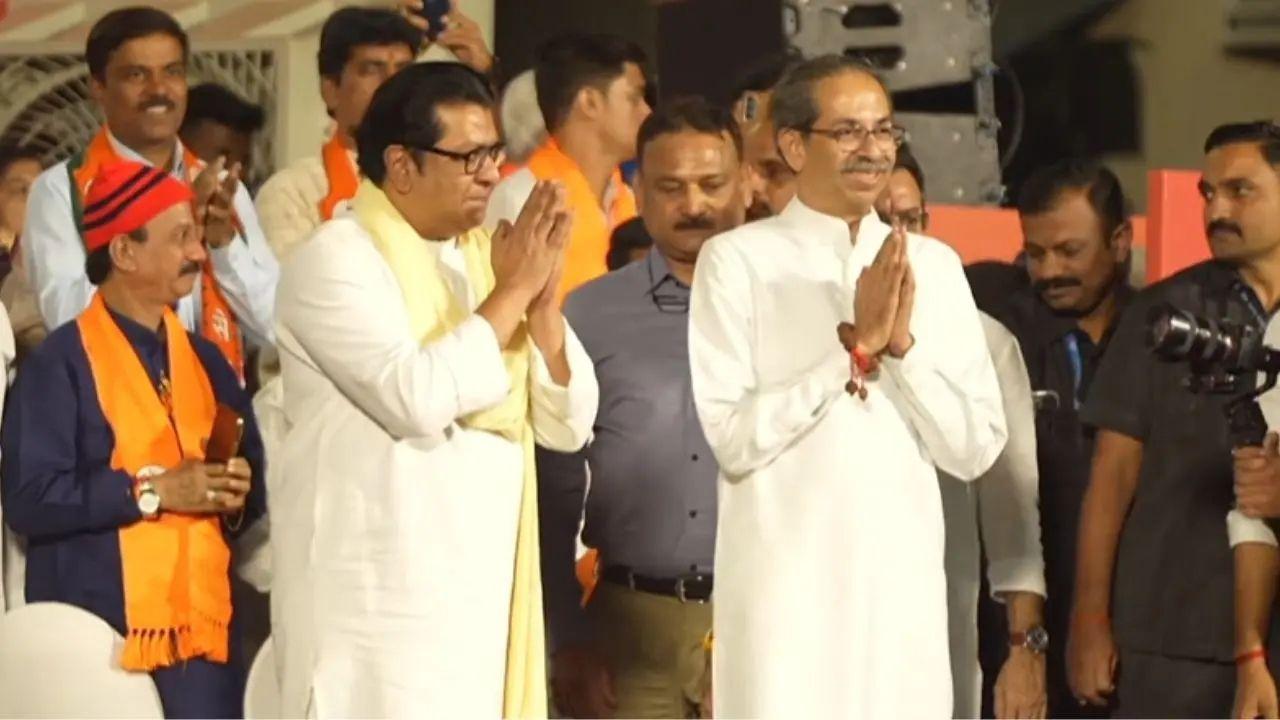
The “then vs now” images of the Thackerays capture more than just aging—they tell a story of rivalry, reconciliation, and reinvention. From their early days of political rivalry to the present scenario of collaboration, these visuals remind voters of the shifting dynamics of Maharashtra politics. PIC/ SCREENGRAB
6/8
As Maharashtra braces for the next round of elections, the Shiv Shakti alliance of Raj and Uddhav Thackeray has become the focal point of political conversations. PIC/ SCREENGRAB
ADVERTISEMENT
7/8
For supporters and critics alike, the cousins’ coming together represents both nostalgia and a new chapter in the state’s political history. FILE PIC

8/8
In essence, the Thackerays’ journey—from youthful cousins with differing visions to seasoned leaders finding common ground—underscores the unpredictable and ever-evolving nature of Indian politics. PIC/ RANE ASHISH
ADVERTISEMENT
ADVERTISEMENT
Photo of Day
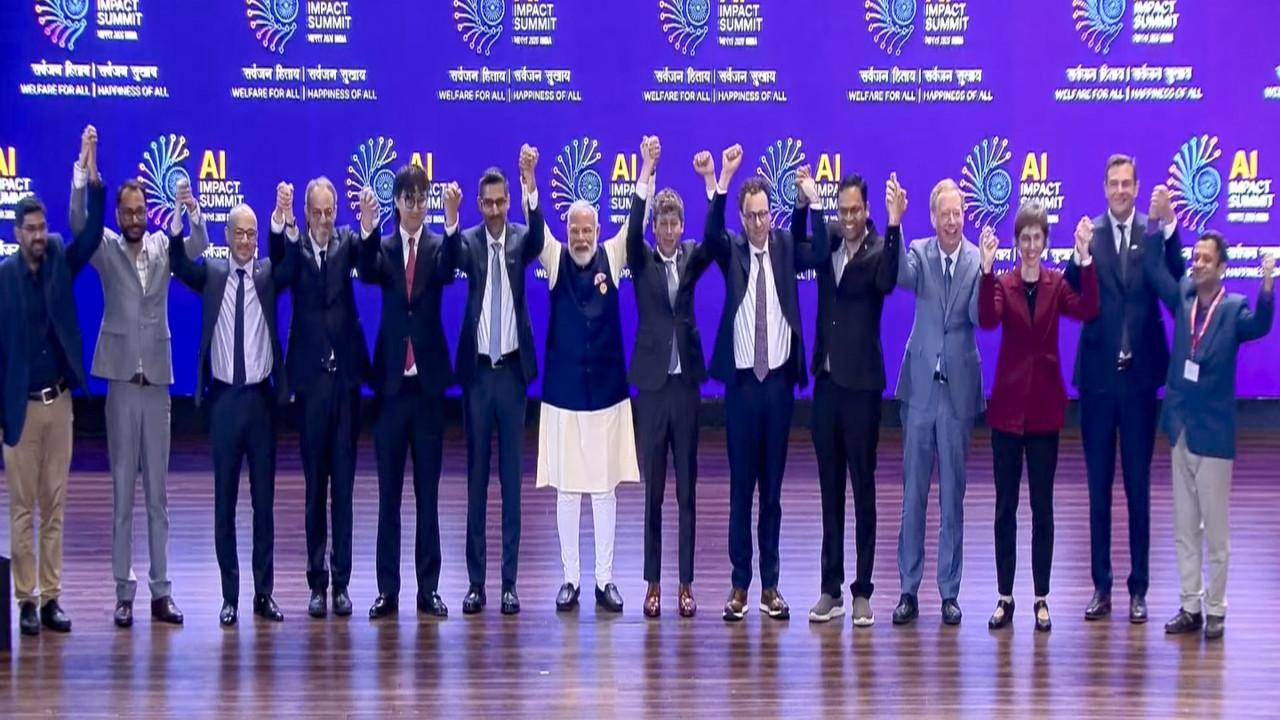
Global AI leaders join PM Modi in a bid to push for a smarter, inclusive future
PM Narendra Modi joins hands with Google CEO Sundar Pichai, OpenAI CEO Sam Altman, and others during the India AI Impact Summit 2026, in New Delhi. PIC/PTI
ADVERTISEMENT