Home / Mumbai / Mumbai News / Photos /
IN PHOTOS: Crescent moon sighted in Mumbai marks the end of Ramadan
Updated On: 20 March, 2026 08:32 PM IST | Tarun Verma
The crescent moon was sighted in Mumbai, marking the end of Ramadan and the beginning of Eid-ul-Fitr festivities. The Muslim community across the city welcomed the festival with prayers and joy, following the tradition of moon sighting that concludes the holy month of fasting. (Pics/Satej Shinde)





 01
01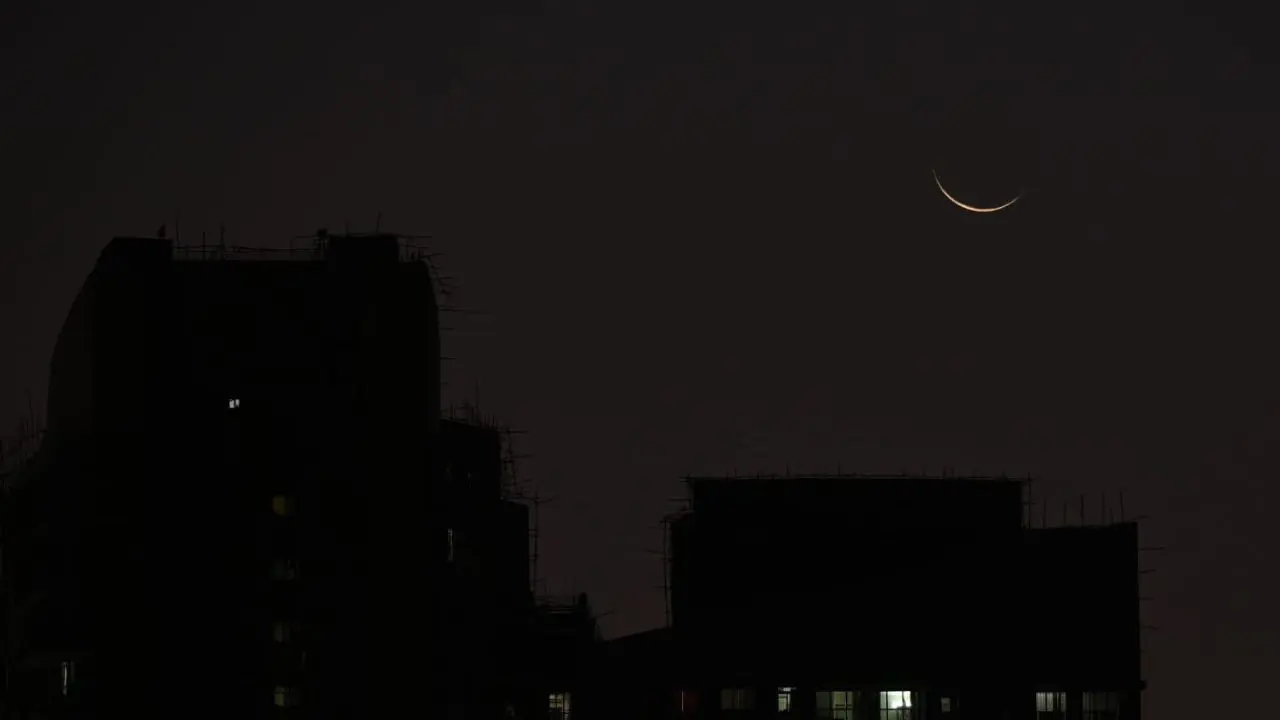 02
02
The festival begins with the sighting of the crescent moon, signaling the start of the Islamic month of Shawwal and the conclusion of Ramadan
03
The start of Shawwal (and thus Eid) is confirmed only by the physical sighting of the new crescent moon after sunset on the 29th day of Ramadan
04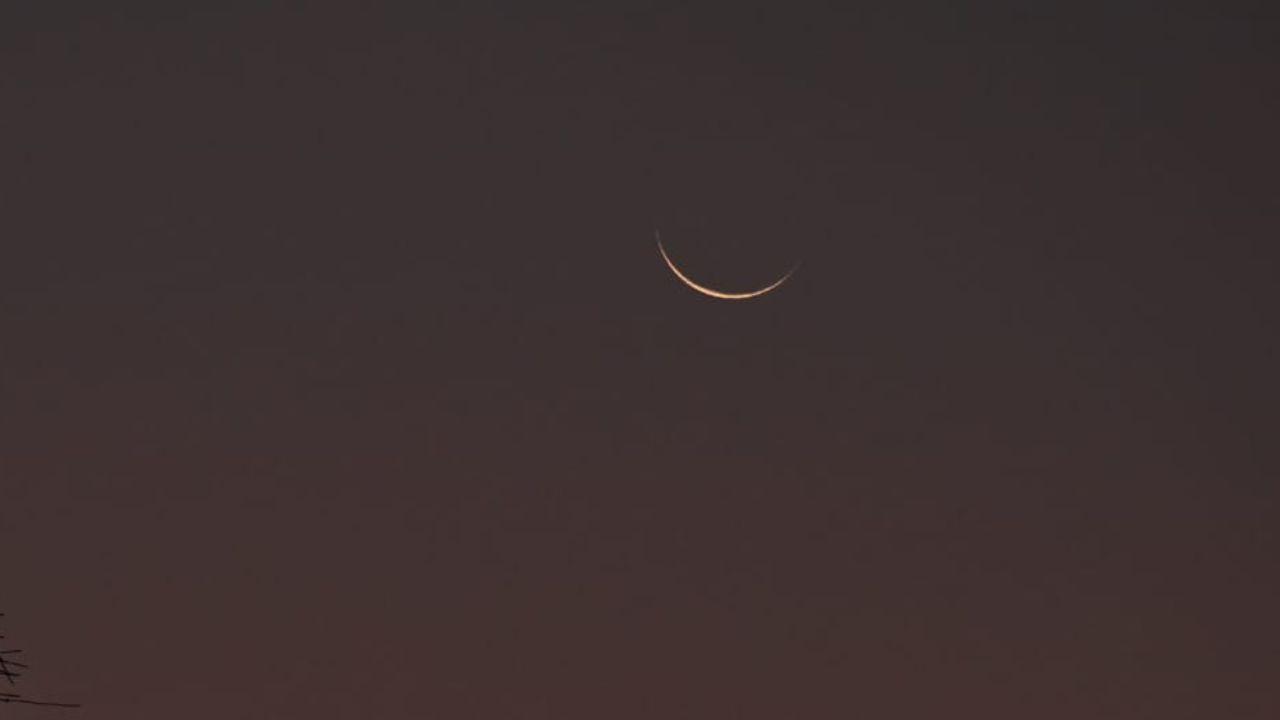
The thin, delicate crescent moon represents a fresh start after the spiritual discipline of fasting. It signals the transition from a month of self-restraint, reflection, and devotion to one of joy, gratitude, forgiveness, and community celebration—embodying hope, renewal, and the completion of a sacred cycle
05
The anticipation of moon sighting creates communal excitement—families gather, scan the sky, share news via announcements from mosques or authorities, and prepare for prayers and festivities
06
The next day starts with special congregational prayers called Eid Salah, performed in mosques or open grounds early in the morning, often followed by a sermon
07
Muslims across the world follow the practice of the Prophet Muhammad, who instructed them to start fasting when they see the moon and break fast when it is sighted again at the end of the month.
Recommended Photos
ADVERTISEMENT
ADVERTISEMENT
Photo of Day

Flora’s Aura
The silhouette of Flora Fountain in Fort paints a dramatic frame in the late afternoon. Pic/ATUL KAMBLE