Home / News / India News / Photos /
IN PHOTOS: Devotees across India observe Sheetala Ashtami with prayers and cold food offerings
Updated On: 11 March, 2026 02:37 PM IST | Tarun Verma
Devotees across India observed Sheetala Ashtami, a sacred Hindu festival dedicated to Goddess Sheetala, with prayers, rituals and offerings of cold food prepared a day in advance. The festival, celebrated eight days after Holi, is marked by visits to Sheetala Mata temples, fasting and the tradition of eating stale food known as Basoda (Pics/PTI)




1/12
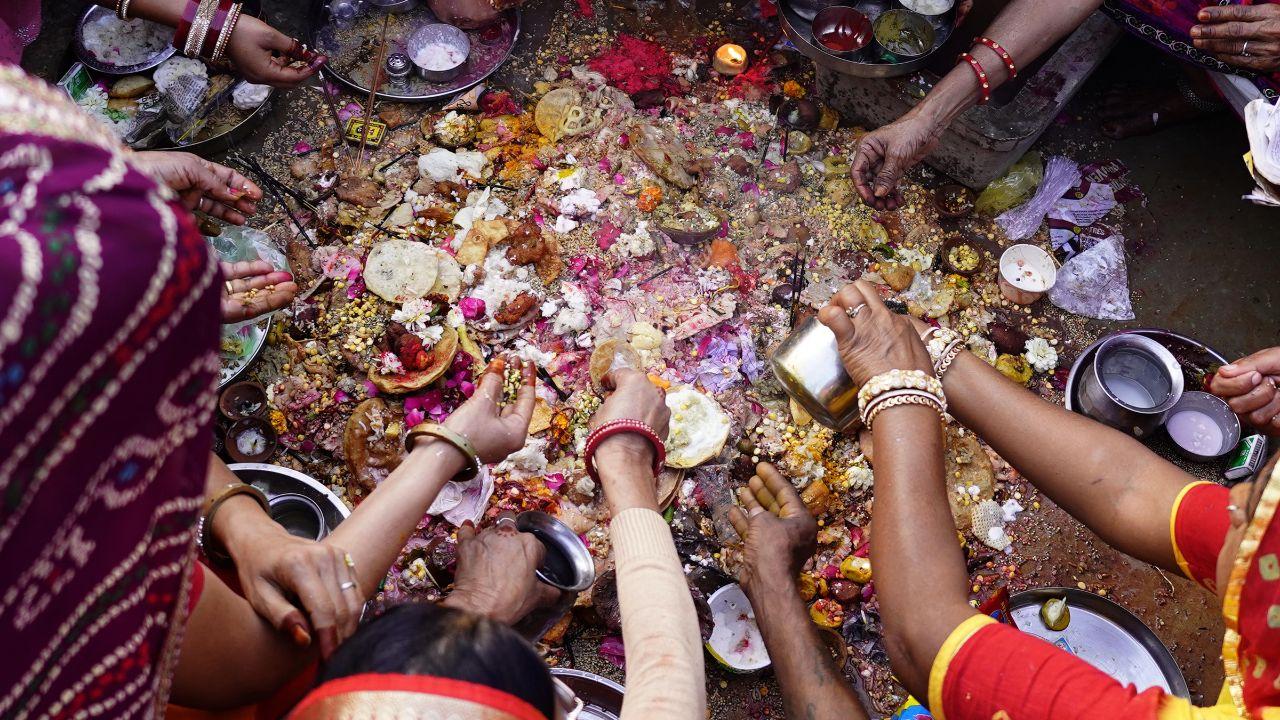
2/12
Sheetala Ashtami is a Hindu festival dedicated to Goddess Sheetala, celebrated eight days after Holi across India
ADVERTISEMENT

3/12
The festival honours Goddess Sheetala, who is believed to protect devotees from diseases, infections and skin ailments. Sheetala Ashtami falls on the eighth day after Holi and is one of the most widely observed festivals in North and Central India

4/12
Devotees wake up early, take a holy bath and visit Sheetala Mata temples to offer prayers and seek the goddess's blessings
ADVERTISEMENT

5/12
Women observe a fast on Sheetala Ashtami and prepare food a day in advance to offer to the goddess the next morning
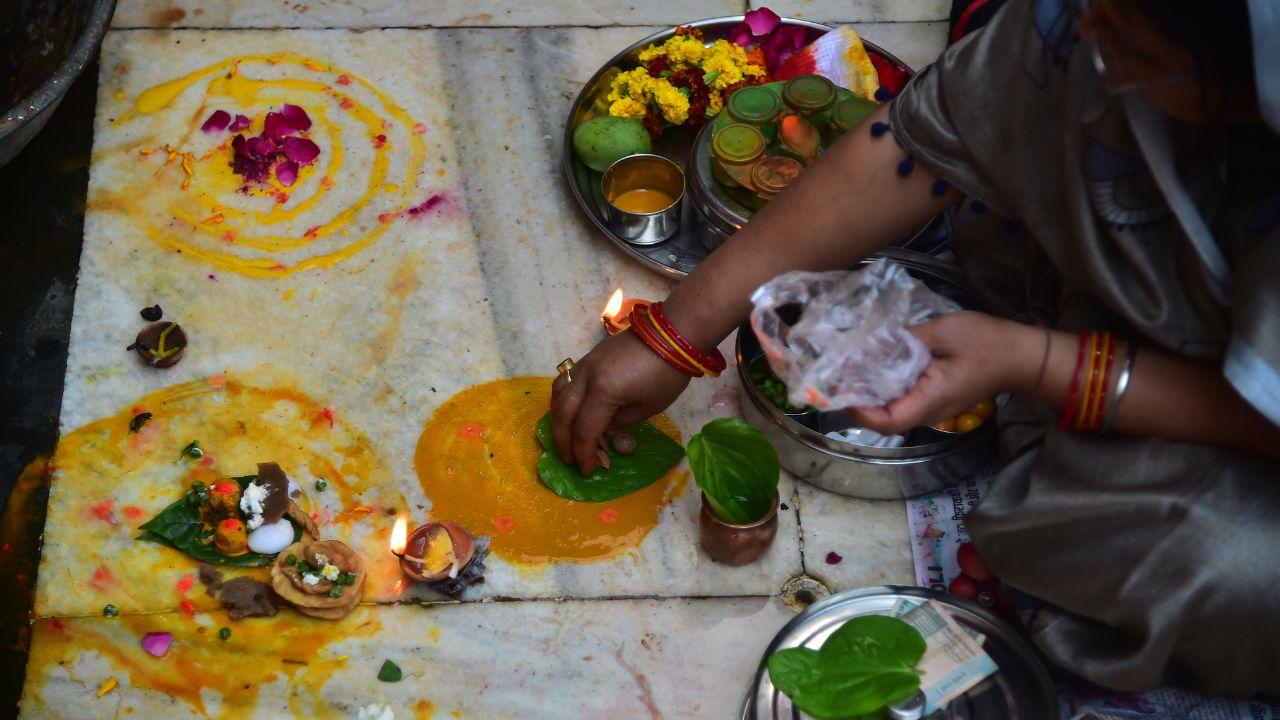
6/12
Thousands of devotees throng Sheetala Mata temples across the country, offering flowers, vermillion and cold food to the goddess
ADVERTISEMENT

7/12
One of the most unique traditions of Sheetala Ashtami is Basoda — the practice of eating stale food prepared the previous day. On Sheetala Ashtami, no fire is lit in the kitchen, families eat cold food cooked

8/12
Devotees believe that worshipping Goddess Sheetala on this day brings good health, prosperity and protection from illness for the entire family
ADVERTISEMENT

9/12
The festival also marks the transition from the cold winter season to the hot summer months, with devotees praying for protection from heat-related ailments

10/12
The festival holds deep cultural significance, especially for mothers who fast and pray for the health and well-being of their children
ADVERTISEMENT

11/12
Sheetala Ashtami is a reminder of the importance of hygiene, health and gratitude, values that remain relevant even today

12/12
A woman offers prayers on the occasion of 'Sheetala Ashtami', at 'Alopi Shankari Devi Shakti Peeth Mandir', in Prayagraj.
ADVERTISEMENT
ADVERTISEMENT
Photo of Day

Global AI leaders join PM Modi in a bid to push for a smarter, inclusive future
PM Narendra Modi joins hands with Google CEO Sundar Pichai, OpenAI CEO Sam Altman, and others during the India AI Impact Summit 2026, in New Delhi. PIC/PTI
ADVERTISEMENT