Home / News / India News / Photos /
IN PHOTOS: Inside Maharashtra's iconic wetland Nandu Madhmeshwar Bird Sanctuary
Updated On: 26 February, 2026 11:51 AM IST | Tarun Verma
Often called the Bharatpur of Maharashtra, Nandur Madhmeshwar Bird Sanctuary in Nashik is a Ramsar wetland hosting over 265 bird species. From painted storks to Siberian stonechats, here’s a glimpse of its vibrant migratory birdlife as it marks 40 years (Pics/ Col Partha Patri)



1/13
2/13
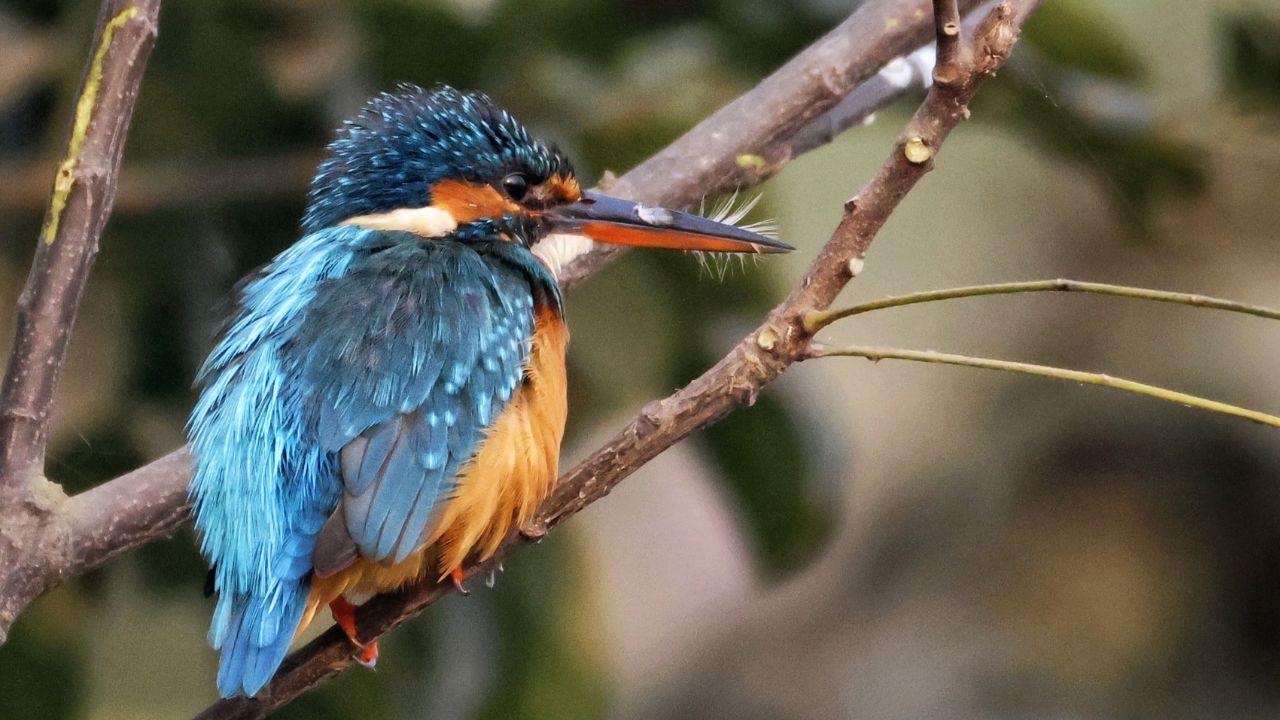
The common kingfisher is mostly a resident bird in India, meaning it does not migrate long distances. It usually moves locally from rivers and streams to lakes, reservoirs and wetlands depending on water levels and fish availability, including places like Nandur Madhmeshwar Bird Sanctuary
ADVERTISEMENT
3/13
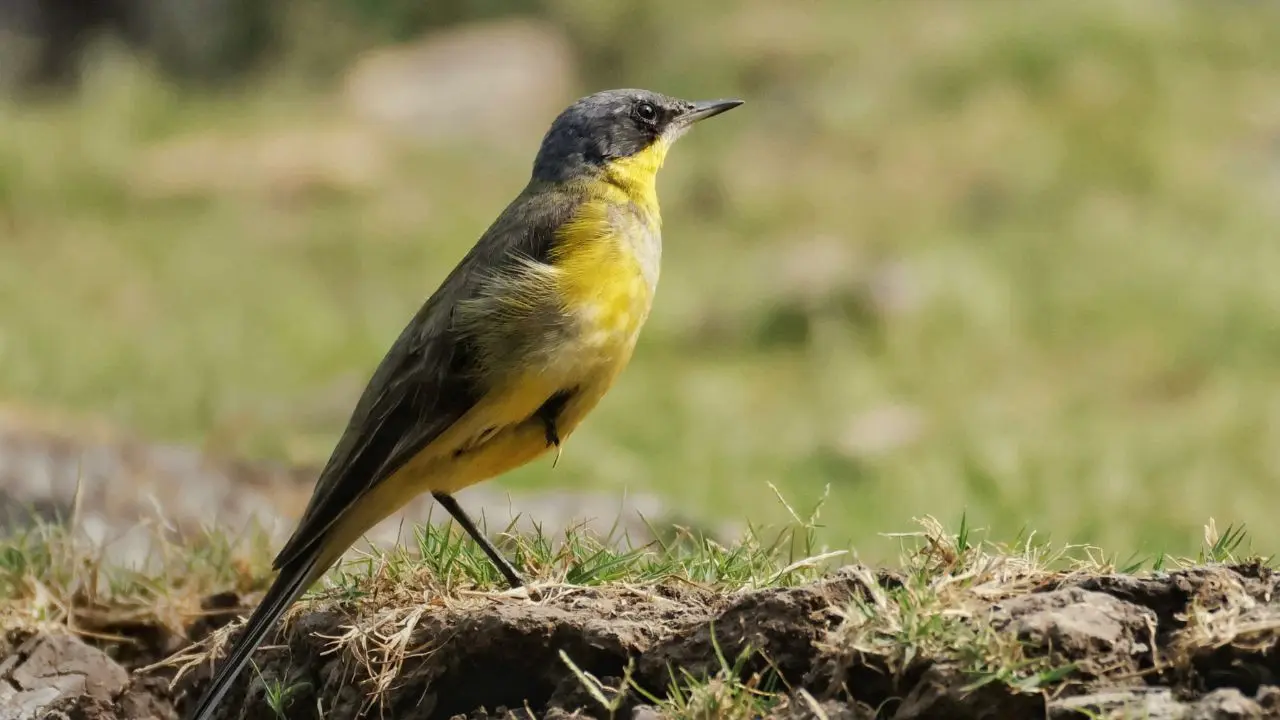
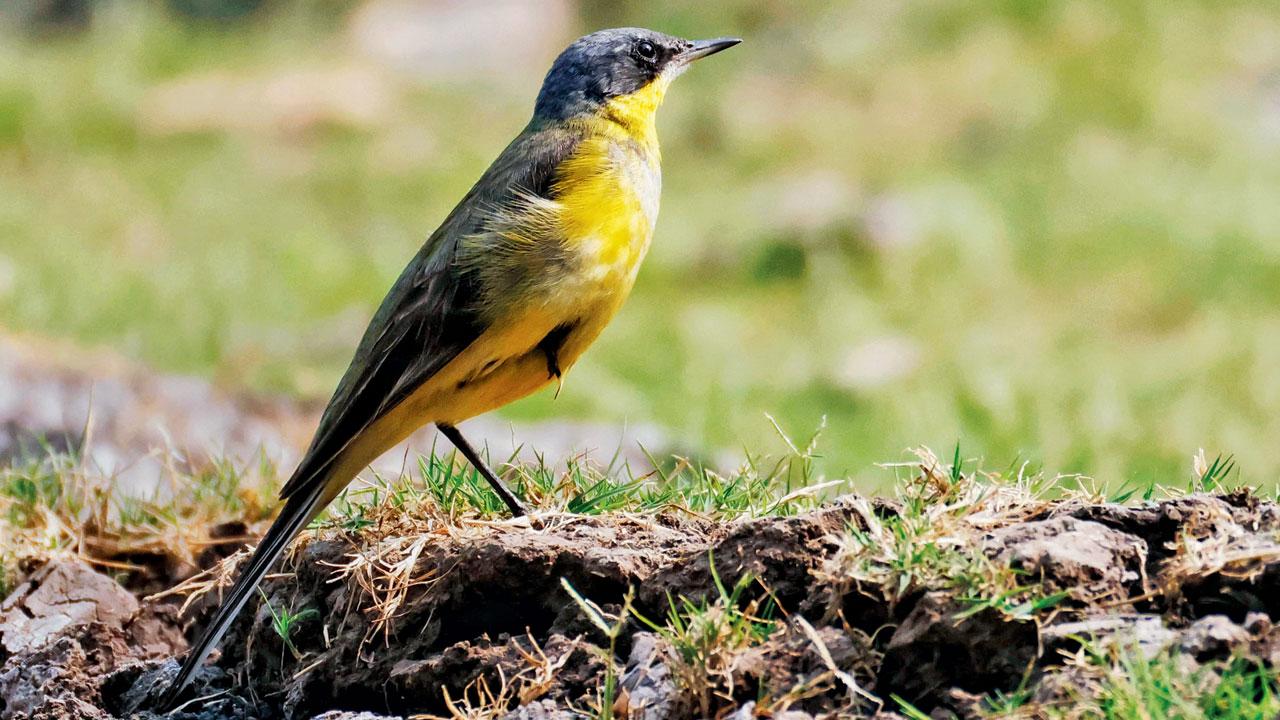
Western yellow wagtail
4/13
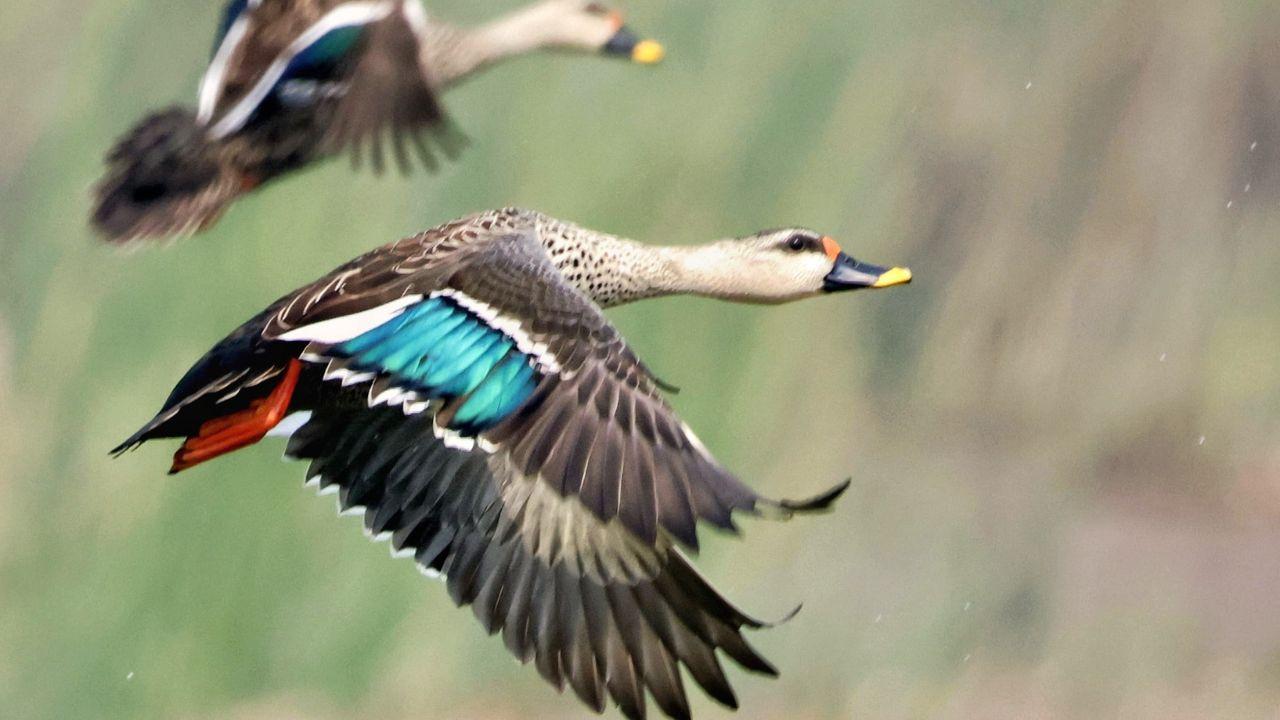
Grace in motion: an Indian spot-billed duck takes flight at Nandur Madhmeshwar Bird Sanctuary. It is native to the Indian subcontinent and Southeast Asia and is largely a resident species, not a long-distance migrant
ADVERTISEMENT
5/13
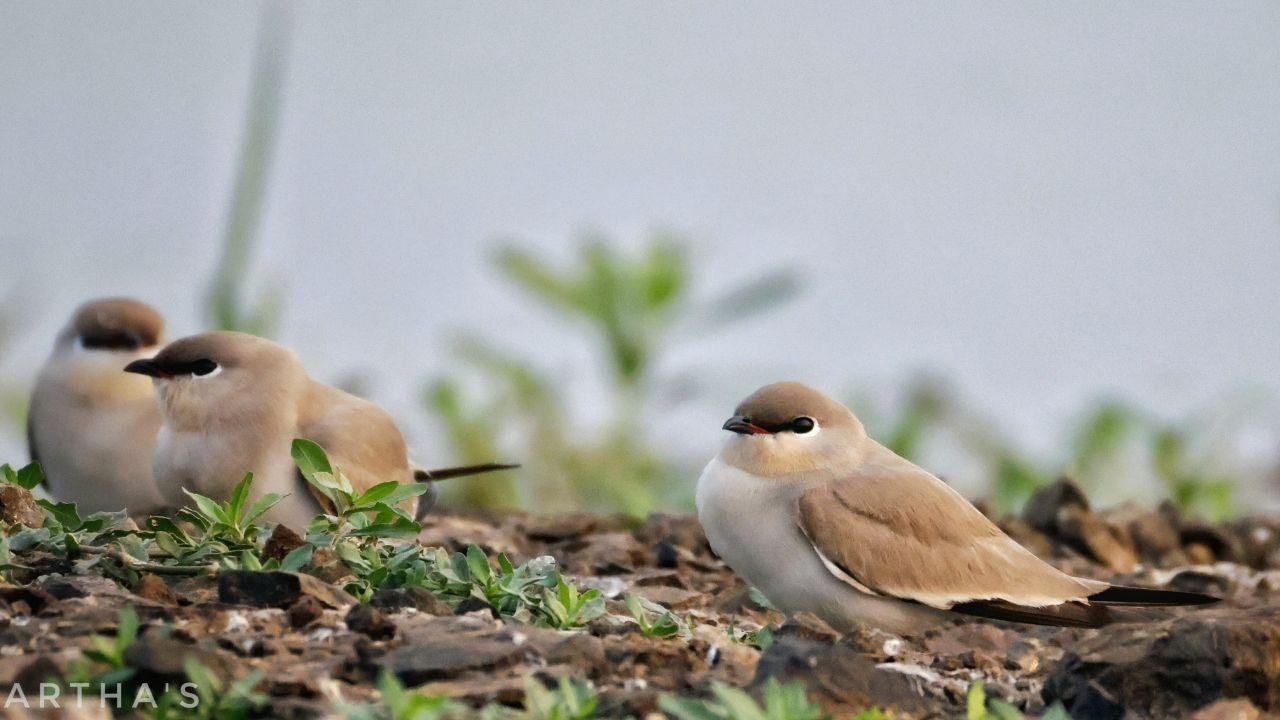
Small Pratincole is a local migrant, moving within the Indian subcontinent, typically from riverbeds and reservoirs in central and northern India to suitable wetlands and sandy shores across peninsular India after the monsoon
6/13
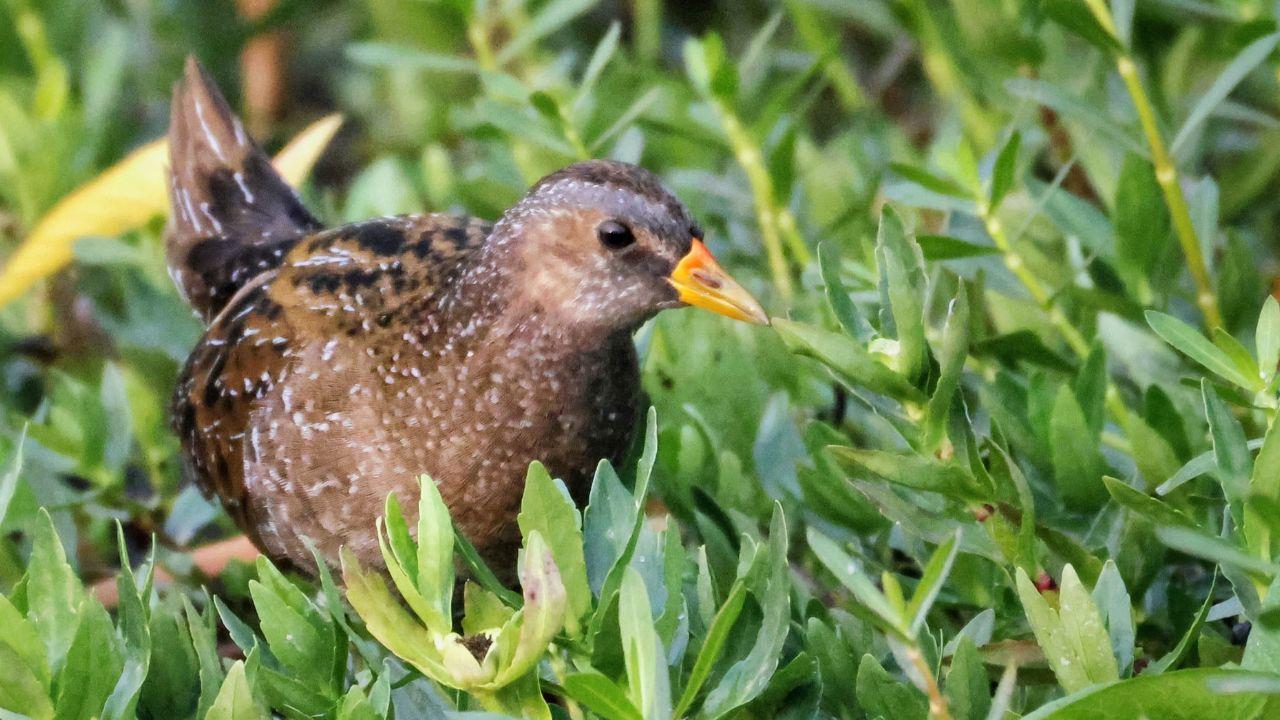
Spotted Crake, a migratory wetland bird that visits India from Europe and Central Asia, seen moving through dense marsh vegetation at Nandur Madmeshwar Bird Sanctuary
ADVERTISEMENT
7/13
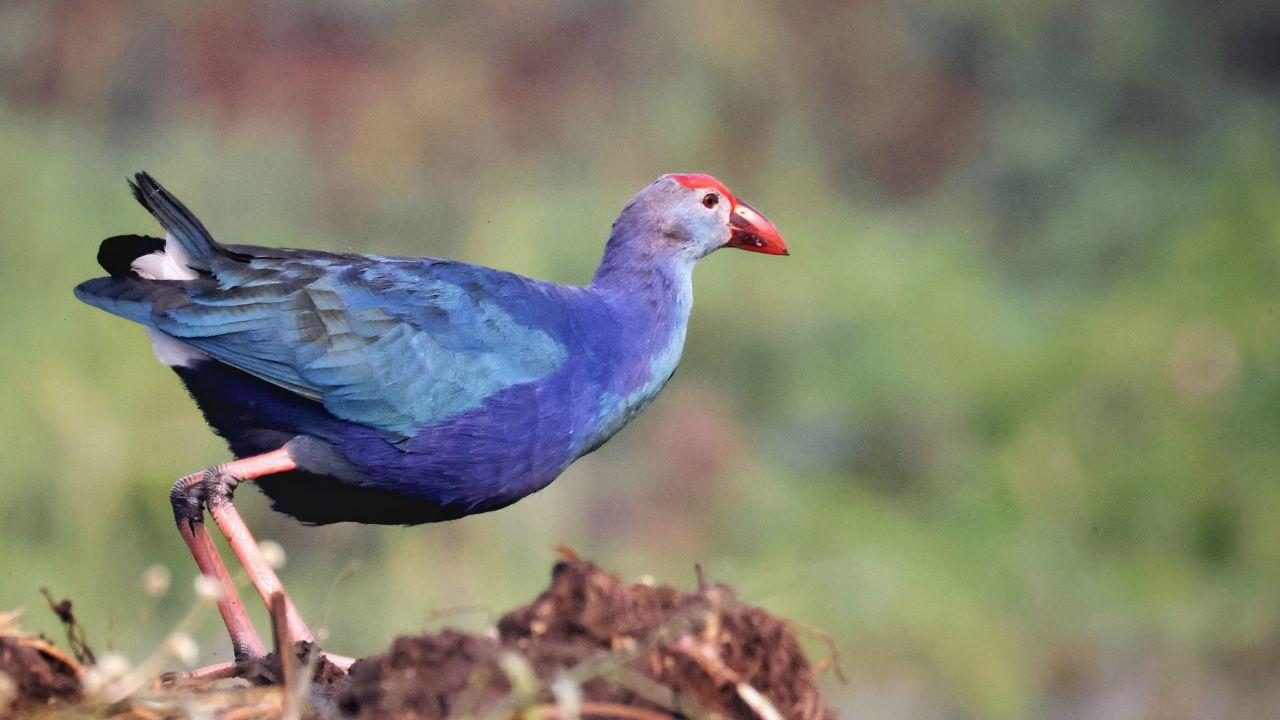
The Purple Moorhen, a widespread wetland bird native to the Indian subcontinent and parts of Africa and Southeast Asia, was spotted in the marshy habitat of Nandur Madmeshwar Bird Sanctuary
8/13
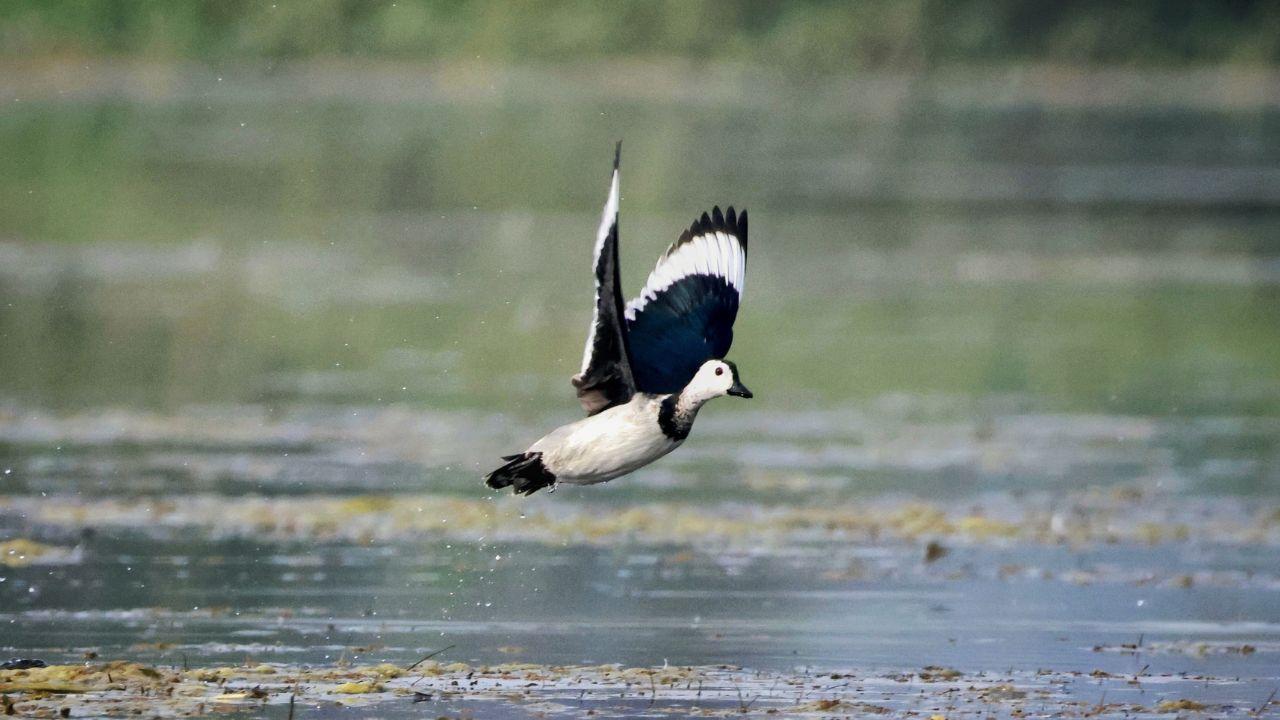
The cotton pygmy goose, or cotton teal, is a small perching duck which breeds in Asia and Southeast Asia, extending south and east to Queensland, where they are sometimes called white-quilled pygmy geese
ADVERTISEMENT
9/13
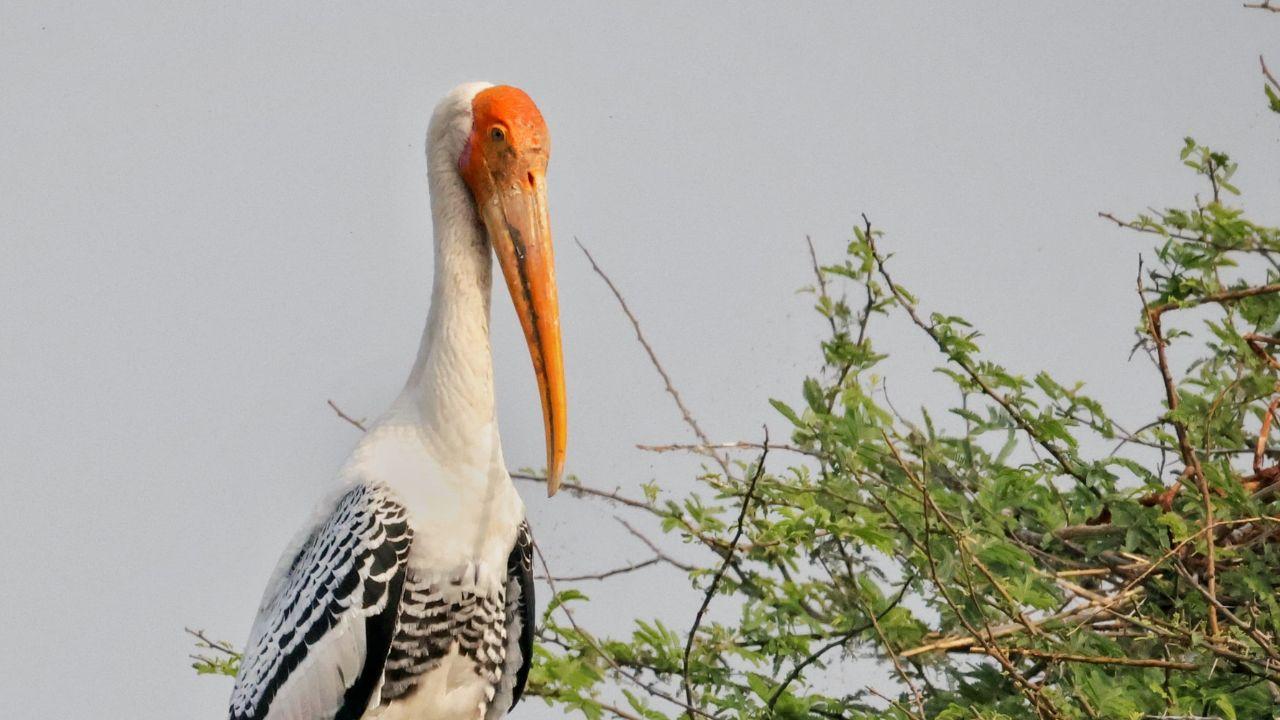
Painted Stork, a large resident waterbird of the Indian subcontinent and Southeast Asia, seen with hatchlings at Nandur Madmeshwar Bird Sanctuary
10/13
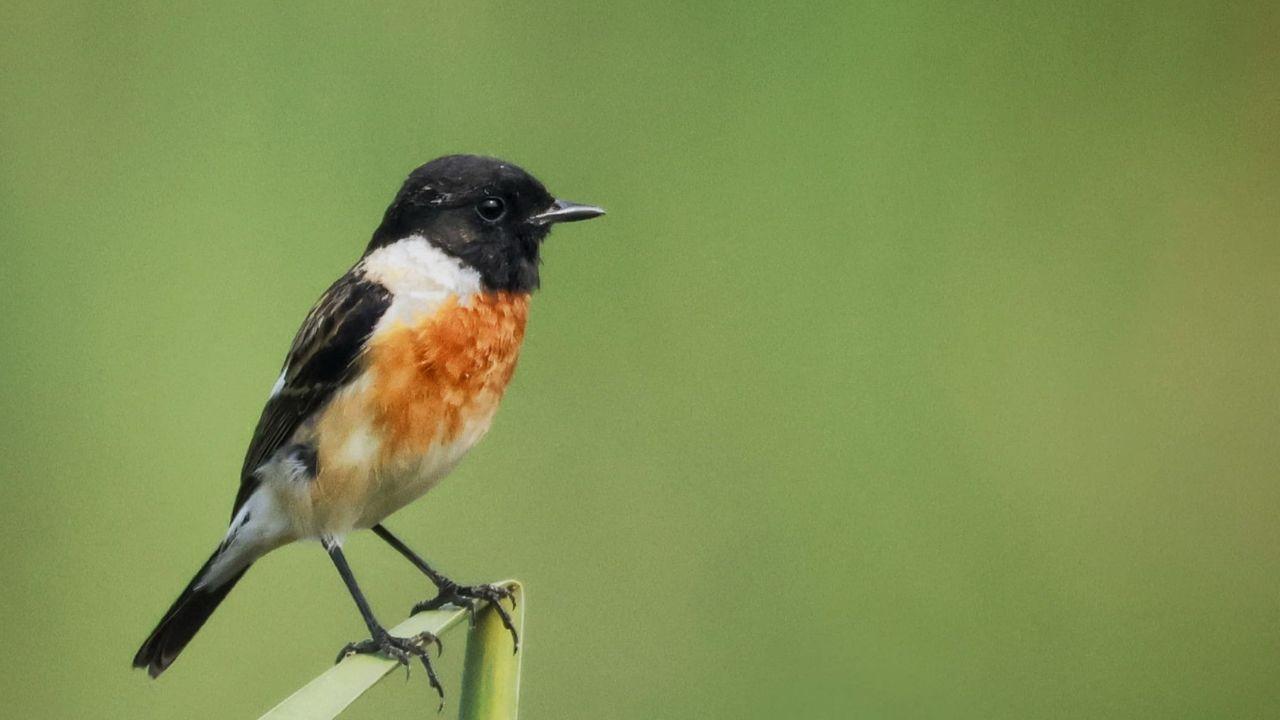
Siberian Stonechat, a winter migrant that travels to India from Siberia and Central Asia, spotted at Nandur Madmeshwar Bird Sanctuary
ADVERTISEMENT
11/13
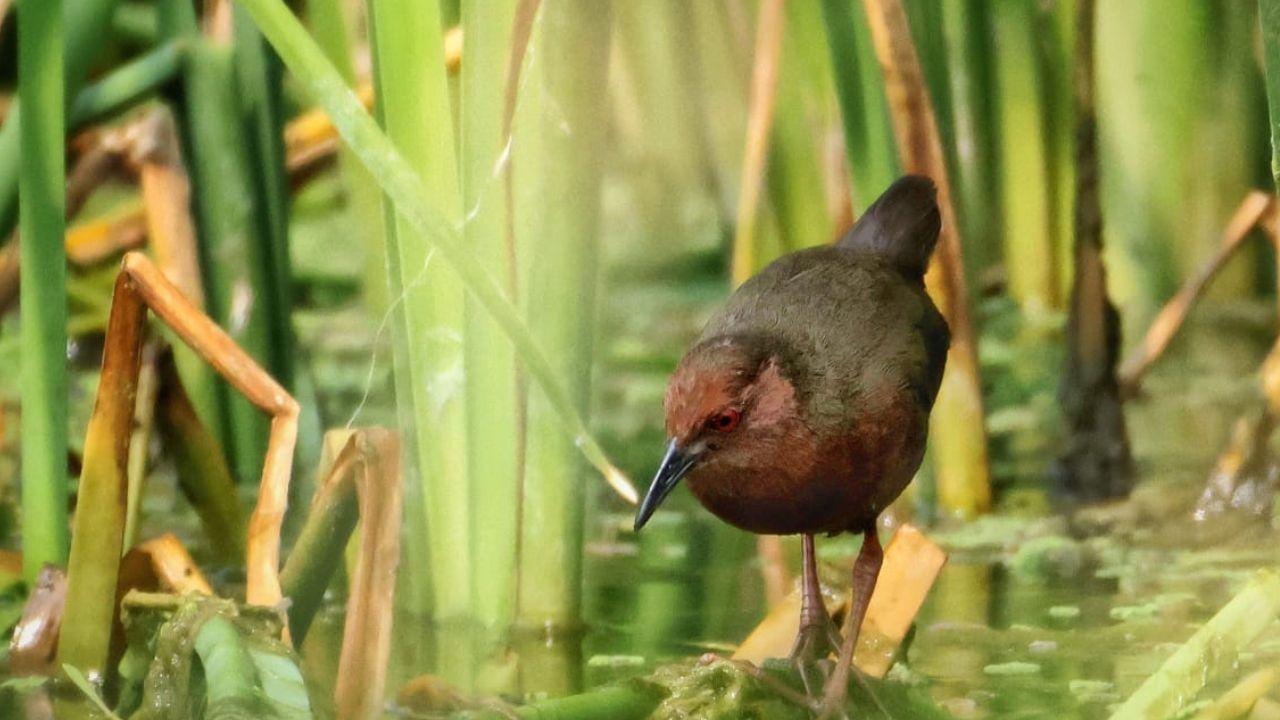
Ruddy-breasted Crake, a secretive wetland bird native to South and Southeast Asia, spotted at Nandur Madmeshwar Bird Sanctuary
12/13
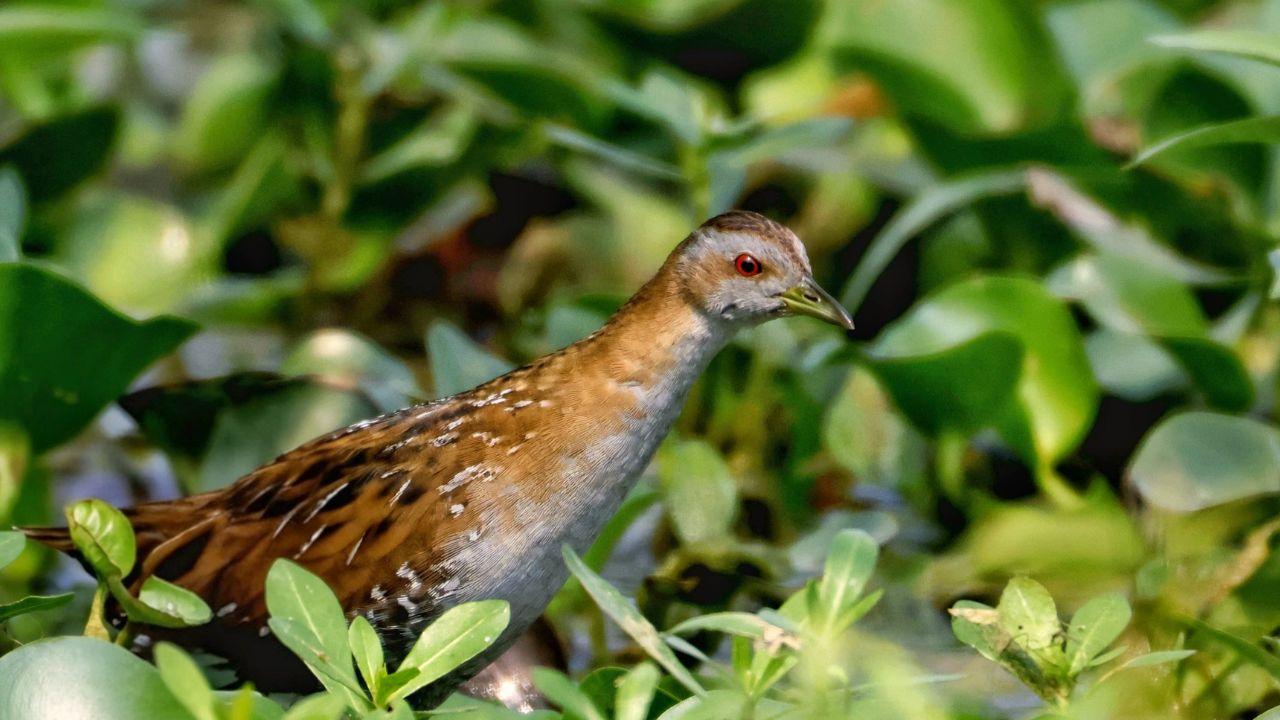
Baillon’s Crake, a small migratory wetland bird that visits India from Europe and Central Asia, sighted at Nandur Madmeshwar Bird Sanctuary
ADVERTISEMENT
13/13
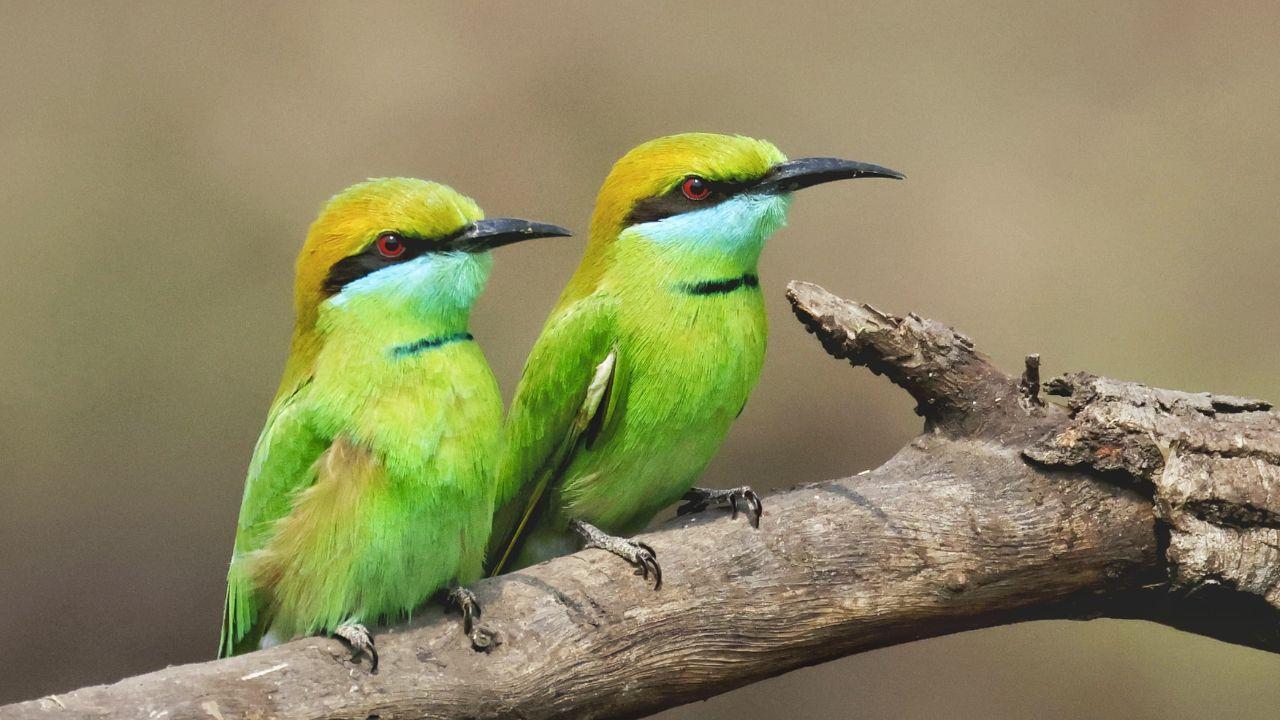
Two green bee-eaters, colourful residents of the Indian subcontinent, rest briefly on a twig before resuming their aerial hunt for insects
ADVERTISEMENT
Photo of Day

Global AI leaders join PM Modi in a bid to push for a smarter, inclusive future
PM Narendra Modi joins hands with Google CEO Sundar Pichai, OpenAI CEO Sam Altman, and others during the India AI Impact Summit 2026, in New Delhi. PIC/PTI
ADVERTISEMENT