Home / Mumbai-guide / Things To Do / Article /
Time for tidepools in Mumbai, and here's all you need to know about them
Updated On: 28 August, 2026 09:22 AM IST | Mumbai | Devashish Kamble
Marine ecologist Shaunak Modi gives us a refresher on the city’s tidepools before the season’s first shorewalk in Haji Ali this weekend





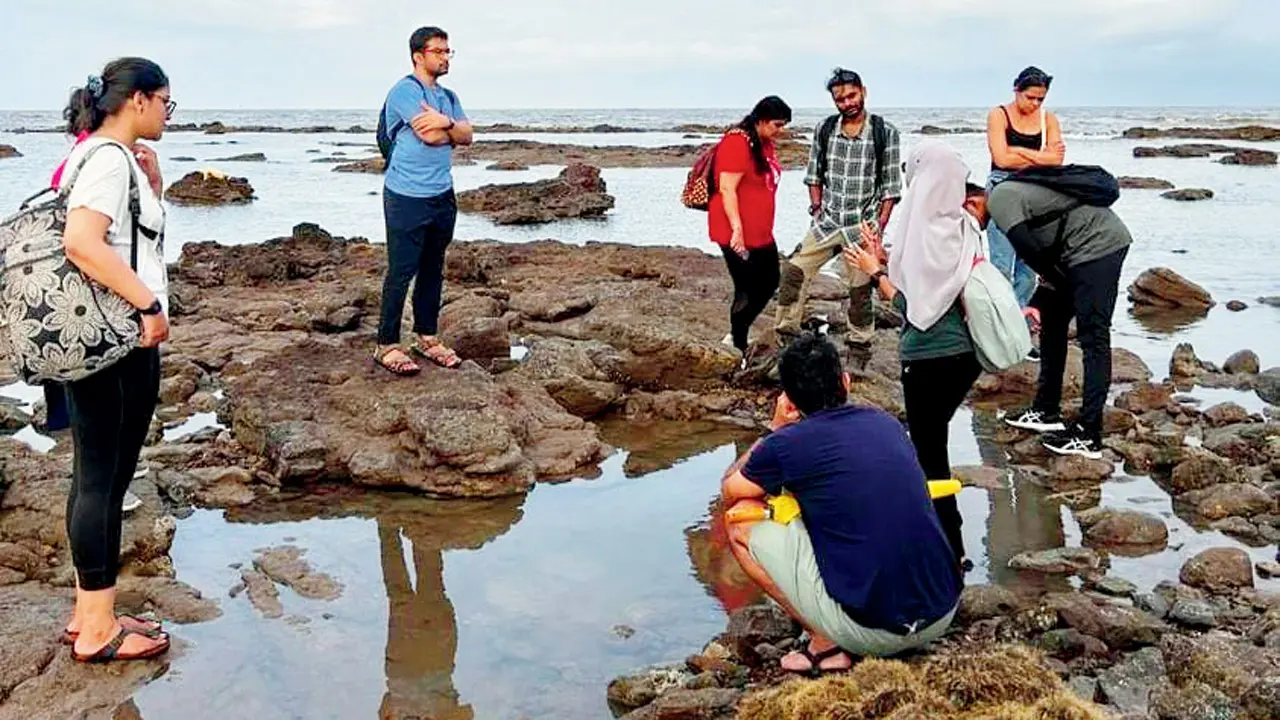
Participants at a previous shorewalk in Haji Ali. PICS COURTESY/MLOM
Every September, nature enthusiasts prepare to meet Mumbai’s vibrant sea slugs, anemone, and sponge species after a seasonal break. This year’s monsoon, or the lack of it, has rained on their schedule. “The erratic rains have opened the season early, and we begin with a walk in Haji Ali. Over the years, the spot has become our favourite,” says Shaunak Modi, director of the Coastal Conservation Foundation.
ON August 30; 6.15 am
AT Haji Ali (meeting point revealed on registration)
LOG ON TO @marinelifeofmumbai
Trending Stories
Latest Photos
Latest Videos
Latest Web Stories
ADVERTISEMENT
Mid-Day Fast
ADVERTISEMENT