Home / Brand Stories /
Business And Service
For years, public relations was largely about getting a company into the right newspaper, magazine or television channel. Personal branding, meanwhile, was often reduced to posting regularly on LinkedIn or Instagram and hoping the algorithm did the rest. But the digital landscape has changed dramatically. For founders today, being visible is no longer enough. They need to be discoverable, credible and, increasingly, memorable. It is this intersection of visibility, credibility and authority that Kaushik Bose and Arpita Bose, the founders of Brain Box Catalysts, are attempting to occupy with a rather unconventional approach to PR and personal branding. The Bangalore-based company, with a branch in Dubai, combines founder branding, content, podcasting, media relations, strategic storytelling and online reputation management to help entrepreneurs build what it calls "authority", rather than simply generate publicity. The philosophy is rooted in a simple observation: In an increasingly crowded digital ecosystem, a founder's reputation can often become as important as the reputation of the company itself. Brain Box Catalysts therefore works with founders and businesses to build a sustained digital presence rather than relying on one-off media appearances or isolated social media posts. At the centre of this ecosystem is Brain Box Media, which brings together the Brain Box Podcast, The Catalyst magazine, founder stories, interviews and other original content formats. The idea is to move beyond treating media as something a brand occasionally buys access to, and instead create an owned media ecosystem that continuously produces and distributes stories. What makes this approach particularly relevant today is the changing nature of how trust is built. A founder may have an excellent product, a strong balance sheet and years of industry experience, but none of that necessarily translates into digital credibility. A prospective customer, investor or employee will often form an impression within minutes of searching for that founder online. Brain Box Catalysts therefore looks at personal branding not merely as a content exercise, but as a reputation-building exercise. The objective is to create a digital footprint where the founder's expertise, achievements, opinions and credibility reinforce each other across multiple platforms. In that sense, the company sees content as the raw material, media as the amplifier and personal branding as the long-term asset. The flagship Brain Box Podcast, hosted by Kaushik Bose, was voted among India's top 10 podcasts by Spotify in 2022 and has since crossed the 100-episode milestone, featuring conversations with entrepreneurs, CXOs, creators and business leader, with a community of over 250,000. The Catalyst, the company's premium collector's-edition publication, takes that philosophy a step further. Rather than creating another digital article that disappears into an endless feed, the publication is designed as a physical authority asset that founders can actually keep in their offices and use as part of their professional identity. It reflects a larger belief that while digital visibility can be fleeting, tangible credibility assets can have a much longer shelf life. For Kaushik, this distinction is important. "Attention is rented, but authority is owned" is one of the philosophies underpinning the Brain Box ecosystem. That philosophy has also shaped Brain Box Catalysts, the couple's core PR and personal branding business. The company was recognised among the Global Top 10 agencies by DesignRush in 2024 and its offering now extends beyond creating visibility to also managing reputation. Through its Online Reputation Management services, Brain Box Catalysts works with founders and businesses to address problematic search results and strengthen how an individual or brand is represented across the digital ecosystem. For senior executives and entrepreneurs, where a single negative or outdated search result can influence perceptions among customers, investors, employees and business partners, reputation management has increasingly become an important extension of personal branding and PR. There is also a business dimension to this shift. In the traditional corporate world, salespeople and founders could often remain relatively invisible behind the brand they represented. That equation is changing. Buyers increasingly want to know who is behind a business before they commit, particularly in sectors where trust and expertise influence the purchase decision. A founder who is consistently visible across credible media, professional networks, podcasts and other relevant platforms can create a degree of familiarity long before the first sales conversation takes place. For Brain Box Catalysts, this makes personal branding more than a vanity exercise. Done correctly, it becomes an extension of business development, helping founders create familiarity, credibility and ultimately commercial conversations. But perhaps what makes Brain Box Catalysts particularly interesting is the story behind its founders. Kaushik brings 14 years of B2B sales experience across companies including Wipro, SAP, IBM and GBM in Dubai before moving into entrepreneurship. Arpita brings a very different but complementary operations background across Vodafone, Du Telecom, EVS & FIS before becoming a serial wellness entrepreneur. Together, they have built multiple businesses, experienced both success and failure, navigated exits and reinventions, and eventually brought those experiences into Brain Box Catalysts. That entrepreneurial lens has become central to the way they view their work with other founders. It has also influenced another part of the ecosystem. Through Wellness Fusion, led by Arpita, the couple is exploring a subject that is often overlooked in conversations around entrepreneurship: the founder's own physical and mental capacity. The premise is straightforward. A business can only grow as sustainably as the person building it. Arpita's work brings nutrition (Arpita is a certified nutritionist from Stanford University), mental & physical wellness, along with lifestyle (Arpita owned a multi-unit premium salon & nail salon chain in India) into the founder's conversation - with an emphasis on holistic performance rather than quick fixes. For a generation of entrepreneurs increasingly dealing with long working hours, constant digital stimulation and the pressure of being perpetually "on", that perspective is becoming increasingly relevant. The convergence of these different verticals is perhaps what defines the couple's approach to entrepreneurship. Their own journey has moved through corporate careers, sales, operations, wellness, multiple businesses and the media ecosystem, giving them a perspective that is difficult to replicate through a purely theoretical understanding of entrepreneurship. Their belief appears to be that founders need more than visibility to build enduring businesses. They need a compelling story that people can understand, a reputation that people can trust and the physical and mental resilience to sustain the journey. It is an approach that connects two ideas that are rarely discussed together: the external perception of a founder and the internal wellbeing of the person building the business. The larger ambition, therefore, appears to be more than building another PR agency. It is about creating an ecosystem where founders can build their narrative, amplify their authority, protect their reputation and strengthen the person behind the narrative. In a world where AI can produce content in seconds and information is becoming increasingly commoditised, perhaps the scarce commodity will not be content at all. It will be credibility. And that is precisely the territory Brain Box Catalysts appears determined to own.
11 August, 2026 12:16 PM IST

A serious case of alleged illegal encroachments, unauthorised land filling, obstruction of natural water channels and indiscriminate dumping of construction debris and municipal waste has come to light within the restricted zone surrounding the Indian Air Force (IAF) Station and Lohegaon Airport in Pune. The issue has raised significant concerns over national security, aviation safety, environmental degradation and possible violations of defence regulations. According to information available, illegal encroachments have continued unabated despite repeated representations made by the Indian Air Force (IAF) to various civic and administrative authorities. Reports indicate that the IAF has repeatedly written to the Pune Municipal Corporation (PMC), Pune Metropolitan Region Development Authority (PMRDA) and the District Collector, Pune, seeking immediate intervention to remove encroachments, clear illegally dumped construction debris and restore the area’s natural drainage system. Natural Drain Blocked, Flooding Risk Increases One of the most alarming aspects of the issue is the blockage of a natural drainage channel passing through the restricted area. Large quantities of construction debris and earth have reportedly been dumped into the drain, preventing the free flow of rainwater. Experts warn that during the ongoing monsoon season, the blocked drainage system could result in severe waterlogging and flooding inside the defence establishment, including the vicinity of the Air Force bomb dump. Such flooding could have serious operational and security implications for one of Pune’s most strategically important military installations. Threat to National Security The Lohegaon Air Force Station houses critical defence infrastructure and plays an important role in the country’s air defence preparedness. Any unauthorised activity within its restricted zone not only violates established security protocols but also increases the vulnerability of sensitive military assets. Officials have reportedly expressed concern that unchecked encroachments and illegal development around defence installations could compromise surveillance, emergency response capabilities and operational readiness. Considering the strategic importance of the airbase, the issue has assumed the dimensions of a matter concerning national security and requires urgent intervention. The Air Force Sent Repeated Letters, But the Administration Remained Inactive Considering the issue as one of national security, the Indian Air Force repeatedly brought the matter of illegal encroachments, obstruction of the natural drainage channel and unauthorised dumping of construction debris around the Lohegaon Air Force Station to the attention of the Pune Municipal Corporation (PMC), Pune Metropolitan Region Development Authority (PMRDA) and the District Collector, Pune. The Air Force requested the concerned authorities to immediately remove the encroachments, clear the debris dumped into the natural drainage channel and restore the natural flow of rainwater. According to information available, the Indian Air Force sent official communications on the following dates: 2024: 11 June, 5 July, 27 September, 29 November and 27 December. 2025: 31 January, 20 March, 30 July, 2 September, 8 October and 8 November. 2026: 24 January, 19 February, 26 February, 21 April and 12 June. In total, the Indian Air Force is reported to have sent 16 official letters over a period of nearly two years. However, despite these repeated representations and reminders, no effective action was reportedly taken by the concerned authorities to remove the encroachments, restore the blocked drainage channel or clear the illegally dumped debris. The continued inaction has raised serious concerns, particularly because the issue involves a strategically important defence installation, aviation safety, environmental protection and compliance with defence regulations. Stakeholders have stressed that immediate and coordinated action is essential to safeguard national security, ensure safe aircraft operations and prevent further environmental degradation. Illegal Dumping Raises Bird Strike Hazard Apart from the security implications, indiscriminate dumping of construction debris and municipal solid waste has created another significant aviation hazard. The accumulation of garbage attracts birds, stray animals and other scavengers, substantially increasing the likelihood of bird strikes. Bird strikes remain one of the most serious risks to aircraft operations worldwide, particularly during take-off and landing when aircraft operate at lower altitudes. Since Lohegaon Airport serves both civil and military aviation, any increase in bird activity around the airport could jeopardise flight safety for commercial airlines as well as defence aircraft. Possible Violations of Defence Regulations Under the provisions of the Works of Defence Act, 1903, restrictions exist on construction and development activities around notified defence establishments. It is reported that no construction activity is permitted within 900 metres of the outer boundary of the bomb dump, making any unauthorised development in the restricted area a matter requiring legal scrutiny. Authorities are expected to investigate whether the ongoing encroachments, land-filling activities and illegal dumping violate applicable defence, environmental and municipal laws. Environmental Impact The illegal dumping of construction waste has also caused considerable environmental damage. Blocking natural water channels disrupts local drainage patterns, increases the risk of urban flooding, degrades soil quality and adversely affects biodiversity in the area. Environmental experts have stressed that restoring the natural drainage system should be treated as an urgent priority before further ecological damage occurs. Pritam Khandve Allegedly Attempted to Interfere During the Demolition Drive During the demolition drive against seven allegedly unauthorised Ready-Mix Concrete (RMC) plants erected in the Mahalaxmi Lawns area of Khandvenagar, Lohegaon, a tense situation reportedly unfolded at the site. According to information available, Pritam Khandve allegedly attempted to obstruct the demolition proceedings by engaging in a heated argument with officials present during the operation. He is further alleged to have grabbed an encroachment official by the collar and charged towards the demolition team, resulting in a brief altercation. Personnel of the Maharashtra Security Force (MSF), who were deployed to maintain law and order during the operation, immediately intervened, restrained Khandve and escorted him to a police vehicle. He was subsequently taken to the concerned police station for further action. Despite the incident, the demolition drive continued under police protection. The operation was undertaken against seven allegedly unauthorised Ready-Mix Concrete (RMC) plants in the Mahalaxmi Lawns area of Khandvenagar, Lohegaon. Pritam Khandve is the husband of BJP corporator Dr. Shreyas Khandve. Further legal action, if any, will depend upon the findings of the concerned authorities and the police investigation. Demand for Immediate Action Considering the seriousness of the issue, there is a growing demand for coordinated action involving the Indian Air Force, Pune Municipal Corporation (PMC), Pune Metropolitan Region Development Authority (PMRDA), District Administration, Maharashtra Pollution Control Board (MPCB) and other concerned agencies. Stakeholders have called for: ● Immediate removal of all illegal encroachments within the restricted zone. ● Restoration of the blocked natural drainage channel. ● Removal of construction debris and municipal waste. ● Strict enforcement of defence and environmental regulations. ● Action against individuals or agencies responsible for illegal dumping and encroachment. ● Regular monitoring to prevent future violations around sensitive defence installations. Conclusion The situation surrounding Lohegaon Airport is no longer merely an issue of illegal encroachment or civic negligence. It represents a convergence of national security concerns, aviation safety risks, environmental degradation and possible violations of defence, environmental and municipal laws. The repeated representations made by the Indian Air Force over nearly two years, coupled with the recent demolition action against allegedly unauthorised structures, underscore the urgency of the matter. Stakeholders have emphasised that prompt and coordinated action by all concerned authorities is essential to safeguard critical defence infrastructure, ensure safe aircraft operations, restore the natural drainage system and preserve the ecological integrity of the area. Disclaimer: The views and opinions expressed in the article are media marketing initiative and do not represent the stand and views of Mid-Day Group. Mid-Day Group disclaims any and all liability to any party, company or product for any direct, indirect, implied, punitive, special, incidental or consequential damages arising directly or indirectly from the use of this content.
13 July, 2026 07:40 PM IST
Why More Entrepreneurs Are Turning to Company Formation Specialists When Starting a Business
18 June, 2026 04:44 PM IST

The Endgame: Dismantling Naxalism: From Red Corridor to Republic
29 May, 2026 07:26 PM IST


ADVERTISEMENT

Emerging Personalities & Brands to Watch in 2026
09 February, 2026 04:32 PM IST

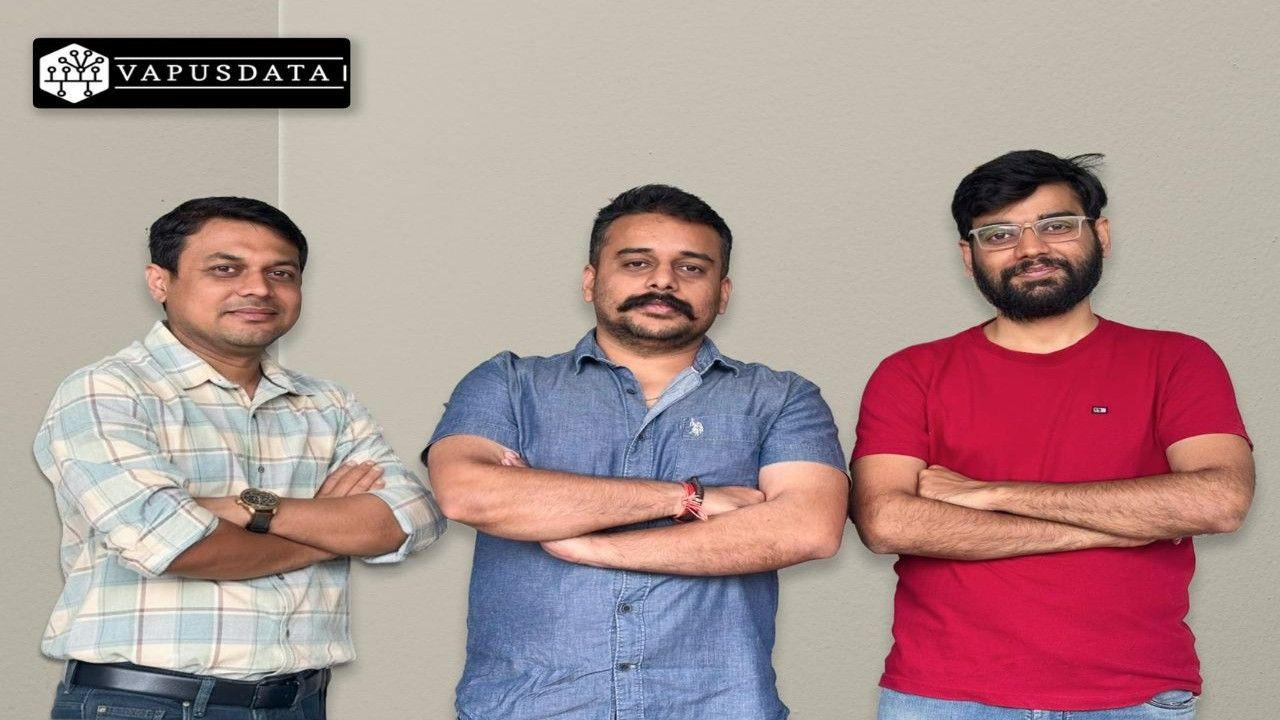
VapusData Introduces an AI-Powered Data Operating System for Enterprise Scale
16 January, 2026 12:15 PM IST
Save On Auto Glass Brings Fast, Affordable Mobile Windshield Repair to Sterling Heights
23 October, 2025 02:50 PM IST

ADVERTISEMENT
ADVERTISEMENT