Medium‑Voltage Visionary: Engineering Reliable Power Infrastructures for a Connected Economy
Updated On: 08 May, 2026 12:26 PM IST | Mumbai | Buzz
Manish Kumar Sharma advances industrial power systems through expertise in electrical design and infrastructure engineering.



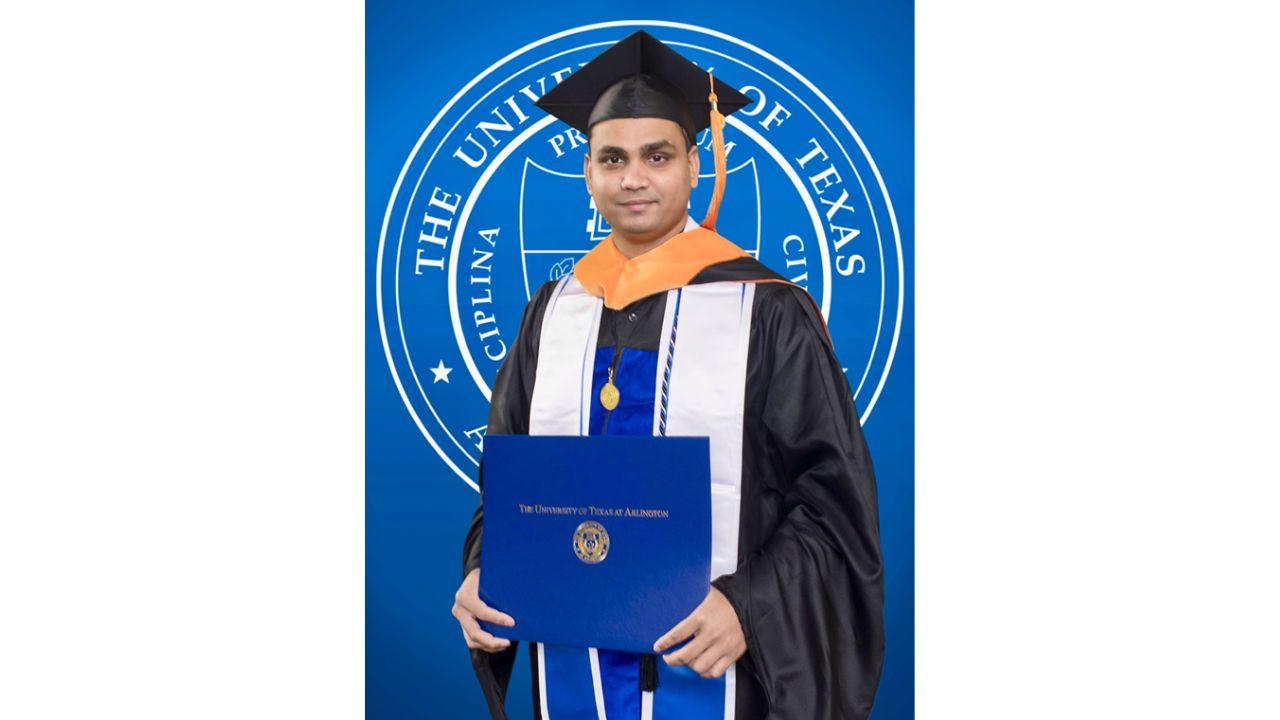
Manish Kumar Sharma.
In recent years, industrial power systems have become the quiet backbone of the digital and manufacturing economy, carrying the responsibility of keeping data centers, energy installations, and critical infrastructure continuously available and safe. Within this specialized domain, medium‑voltage power systems, industrial power distribution, and control engineering form an intricate ecosystem that demands advanced graduate‑level training and the ability to translate theory into robust, real‑world designs. Engineers operating in this space must not only understand electromechanical equipment and protection philosophy, but also navigate safety codes, industry standards, and the operational demands of large‑scale facilities where even brief interruptions can translate into substantial financial loss. It is in this demanding environment that Manish Kumar Sharma has developed a profile that exemplifies the high‑end expertise and practical ingenuity required to shape resilient electrical infrastructure.
Manish's trajectory into this specialized field is rooted in rigorous academic preparation anchored by a Master of Science in Electrical Engineering from the University of Texas at Arlington, preceded by a Bachelor of Engineering in Electrical Engineering from the University of Mumbai. His graduate curriculum spanned analog integrated circuit design, digital VLSI, neural networks, optimal control, digital signal processing, and the physics and fabrication of MEMS devices, providing a deep theoretical framework for understanding both power and electronic systems at multiple levels of abstraction. This breadth equips him to approach industrial power infrastructure not simply as an arrangement of components, but as an engineered system that must balance protection, controllability, and efficiency across hardware, software, and communication layers. The same analytical discipline informs his subsequent work in power electronics and inverter control, where he explored how sophisticated algorithms and circuit topologies can enhance power quality and stability.
Other Articles
ADVERTISEMENT
Mid-Day Fast
ADVERTISEMENT