Feeding the Capital: Delhi Teen’s Humanistic Approach to Urban Hunger
Updated On: 07 March, 2026 03:59 PM IST | Mumbai | Buzzfeed
Young social entrepreneur Arman Rai Sood launched The Indian Community Kitchen in Delhi to reduce food waste and provide meals to underfed communities.



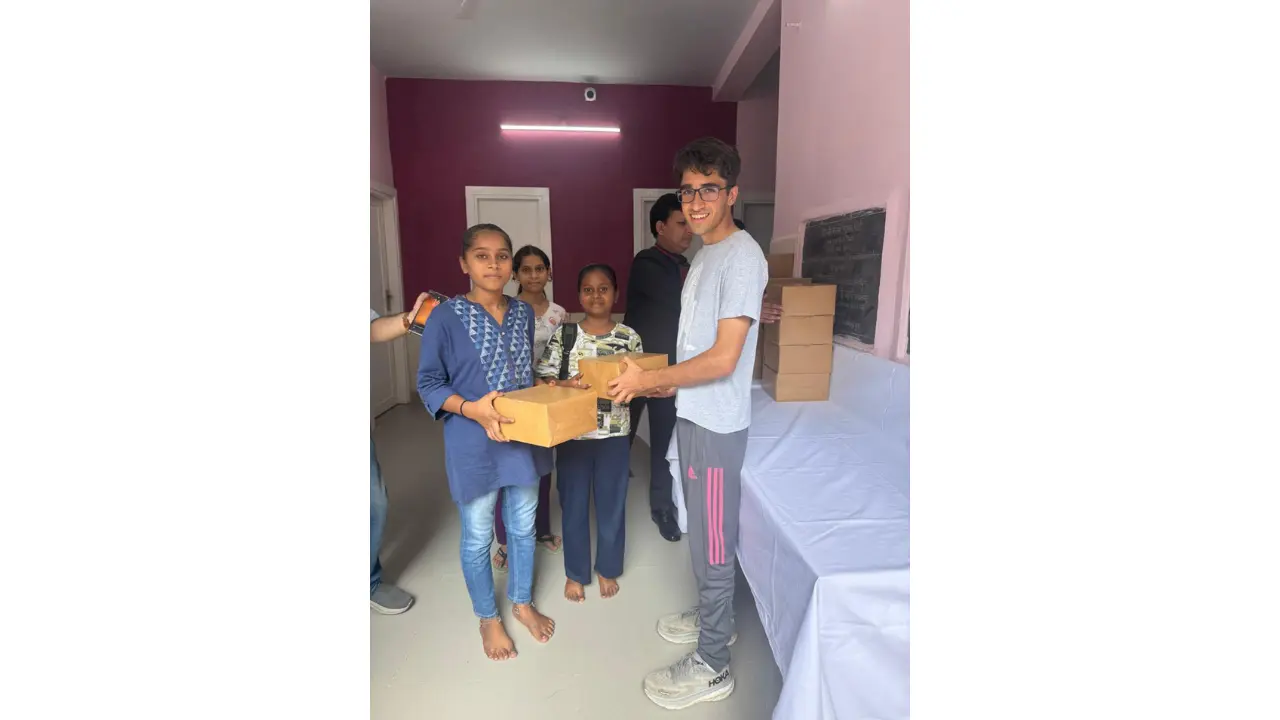
Arman Rai Sood
As one of the fastest growing economies in the world, India is attaining commendable achievements in a number of fields. But there are some serious concerns which are holding the country’s progress to its full potential. We can see that hunger crisis is one of those critical issues. Despite being a major grain, pluses, vegetables and other agriculture grower, according to Global Hunger Index 2024, India ranks 105th out of 127 countries with a score of 27.3 points. Due to basic problems such as unemployment, poverty, unequal distribution and high food wastage, 1.9 crore people do not get enough to feed themselves. Among other problems, industry insights show that in India food wastage isn’t just a developmental problem but a community one. Despite our strong religious and social believes of considering food and grains as a blessing of God, our attitude towards food wastage remains far from serious. And it won’t be wrong to say that this situation is graving as people are not ready to comprehend that food wastage is one of the major causes which leads to hunger problem.
Here come the members of the young generation who are conscious about this basic problem and believe that hunger situation is a violation of our fundamental rights. These young men and women are ready to understand the real causes and bring the possible solutions too. Arman Rai Sood, a student of Vasant Valley School, is one of those young and responsible members of the society. He is the silent connoisseur behind ‘The Indian Community Kitchen’ (TICK), Delhi’s very own community kitchen serving meals to the underfed people from underserved communities. Arman’s initiative stands out for its ingenious model of tackling a problem as multifaceted as urban food insecurity, encouraging collaborations across the hospitality and service sectors to redirect food waste.
Other Articles
ADVERTISEMENT
Mid-Day Fast
ADVERTISEMENT

ADVERTISEMENT