Beneath the Indian Ocean
Updated On: 05 June, 2014 10:54 AM IST | | Kanika Sharma
Author Martha Chaiklin shares how the trade of stingray skins, tortoise shells and ivory in this ocean affects our world





Kushi
It is common news that trade built the modernist and globalised world we live in. What is highly unknown is that there was a time when “the mummy (which was used for medicine), dragons blood (a mineral also used for medicine) and unicorn which was actually the horn of the narwhal” travelled halfway around the world in Martha Chaiklin’s words. An American Institute of Indian Studies Fellow, Chaiklin will speak of incredible goods such as these at a city venue, tomorrow.

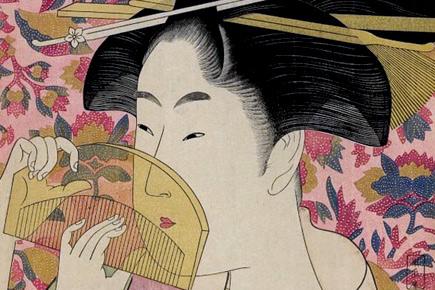
Kushi (Comb), by Utamaro Kitagawa, 1753-1806. Print, woodcut, colour. Library of Congress
Author of Cultural Commerce and Dutch Commercial Culture, Chaiklin shares, “My upcoming talk is on the impact of trade on the material culture of Asia, especially Japan. What I mean by this is that with the expanded networks and volume that the trading companies brought to Asian trade, the things people surrounded themselves changed considerably.” Japan will be the prime focus of her talk as it had a tremendous shift from its traditional way of living to a modern one, as Chaiklin exemplifies, “For example, hair styles changed to the chignon that we are now familiar with and the ornaments were primarily made of imported materials. Things like tobacco also got spread.”
Trending Stories
Latest Photos
Latest Videos
Latest Web Stories
ADVERTISEMENT

Ganeshotsav 2026

ADVERTISEMENT