IN PHOTOS | World Music Day 2026: Explore different forms of music from India
Updated On: 21 June, 2026 07:38 AM IST | Haren Sharma
Indian music spans a vast spectrum, blending ancient and classical traditions with timeless melodies. This World Music Day, celebrate this rich heritage by learning about its various forms





 01
 02

Indian music
If we take a look at Indian music it mainly has three major streams namely classical music, devotional and folk music
03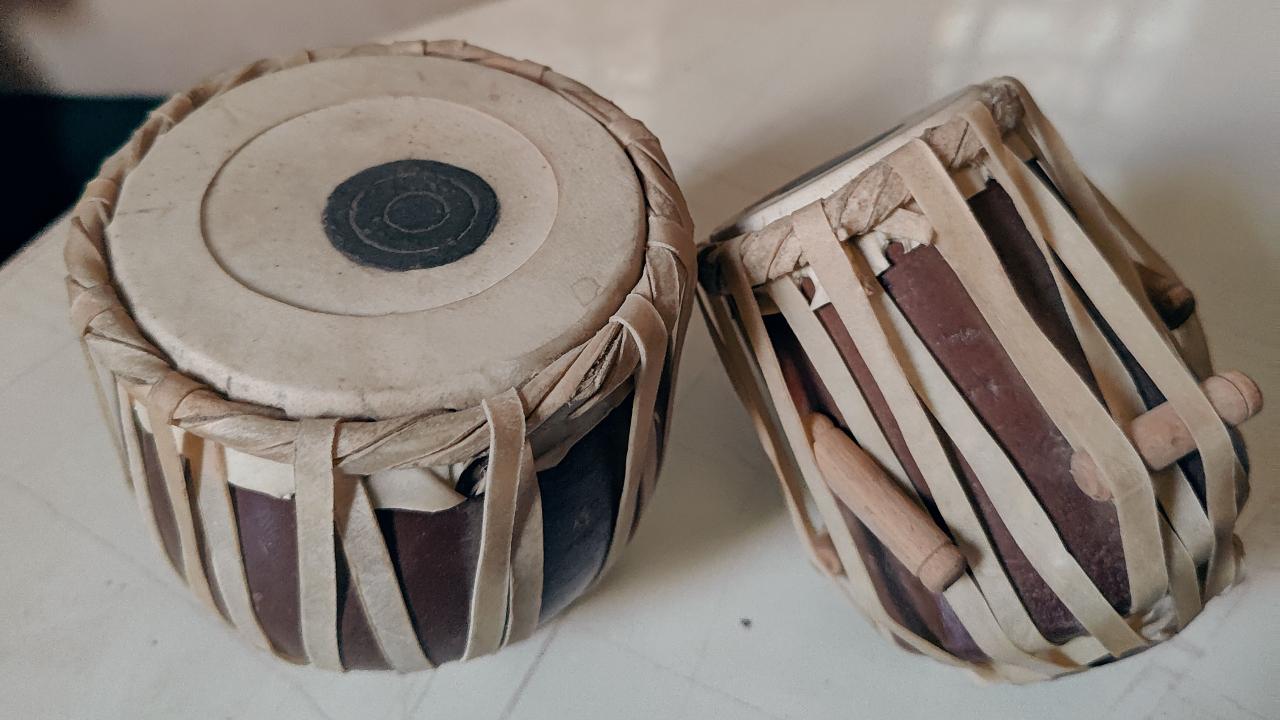
Indian Classical Music
Indian classical music is deeply rooted in Vedic traditions and is highly structured, centred mostly on melodic forms like ragas. The popular examples of our country's classical music include Hindustani Classical music and Carnatic music. Hindustani classical music traces its roots in the Sama Veda, where hymns where chanted using specific notes that were later turned into the Natyashastra. Another notable feature of Hindustani classical music was that it was divided into gharanas or different schools of music; each school or gharana had its own distinct style, its own interpretation of ragas, and a set of philosophy. Some of these famous gharanas of Hindustani classical music were Gwalior, Jaipur and Agra. Some of the most celebrated figures in Hindustani classical music include legendary maestros such as Pandit Ravi Shankar, Ustad Zakir Hussain, and Pandit Bhimsen Joshi, whose remarkable contributions have played a pivotal role in popularising the rich tradition of Indian classical music across the world.
Carnatic music also traces its origin to the Sama Veda, but unlike Hindustani Classical Music, Carnatic Music doesn't have Central Asian or Persian influences. Some of the famous artists from Carnatic music include names like M.S. Subbulakshmi, Dr M. Balamuralikrishna, Semmangudi Srinivasa Iyer, and Lalgudi Jayaraman
04
Devotional music
Devotional music is a genre of music which mostly a genre of musical expression designed to accompany religious observances, rituals, and personal meditation. Some of the most popular genres of devotional music include Bhajans, Kirtans and Qawwalis. Bhajans are dedicated to various Hindu gods, goddesses, avatars, and spiritual teachers. They are meant to be a personal, emotional expression of love, surrender, and worship to the divine.
Kirtans, on the other hand, were popularised during the Vaishnavite movement in Bengal by the saint Chaitanya Mahaprabhu. This form of devotional music was also later picked up by Sikhism, where Shabad Kirtan were dedicated to the Supreme creator.
Qawallis, on the other hand, originated from Sufism. The primary purpose of this music is to evoke religious ecstasy, devotion, and a deep, spiritual longing for union with the divine.
05
Folk music
Contrary to classical music, folk music follows cultures and is deeply rooted in community traditions. Some of the most popular variations are Baul from West Bengal, Powada from Maharashtra, Maand from Rajasthan and many more.
Some of the most celebrated folk music artists in India include Mame Khan from Rajasthan, renowned for bringing the rich traditions of Manganiyar music to national and international audiences. Malini Awasthi from Uttar Pradesh, often hailed as the "Folk Queen of India", is known for her mastery of Awadhi and Bundelkhandi music and her efforts to preserve regional traditions. The Nooran Sisters from Punjab have also earned widespread acclaim for their powerful Sufi-infused performances and emotionally charged live renditions.Together, these artists have helped preserve and popularise India's rich and diverse folk music heritage for newer generations
06
Fusion forms
Music in India has never shied from experimenting and that means combining different forms of traditional and comp music to produce something extremely new. Some of most prominent examples include Rabindra sangeet that mixes Carnatic and Hindustani classical forms of music, another example can be seen in Gondhal, which is a fusion of folk and devotional and there are also many more forms of music that often mix two genres
Recommended Photos
ADVERTISEMENT
ADVERTISEMENT
Photo of Day

A clear view
An early bird perches on the Lady of Progress statue atop Chhatrapati Shivaji Maharaj Terminus as the monsoon covers come off. Pic/Ashish Raje