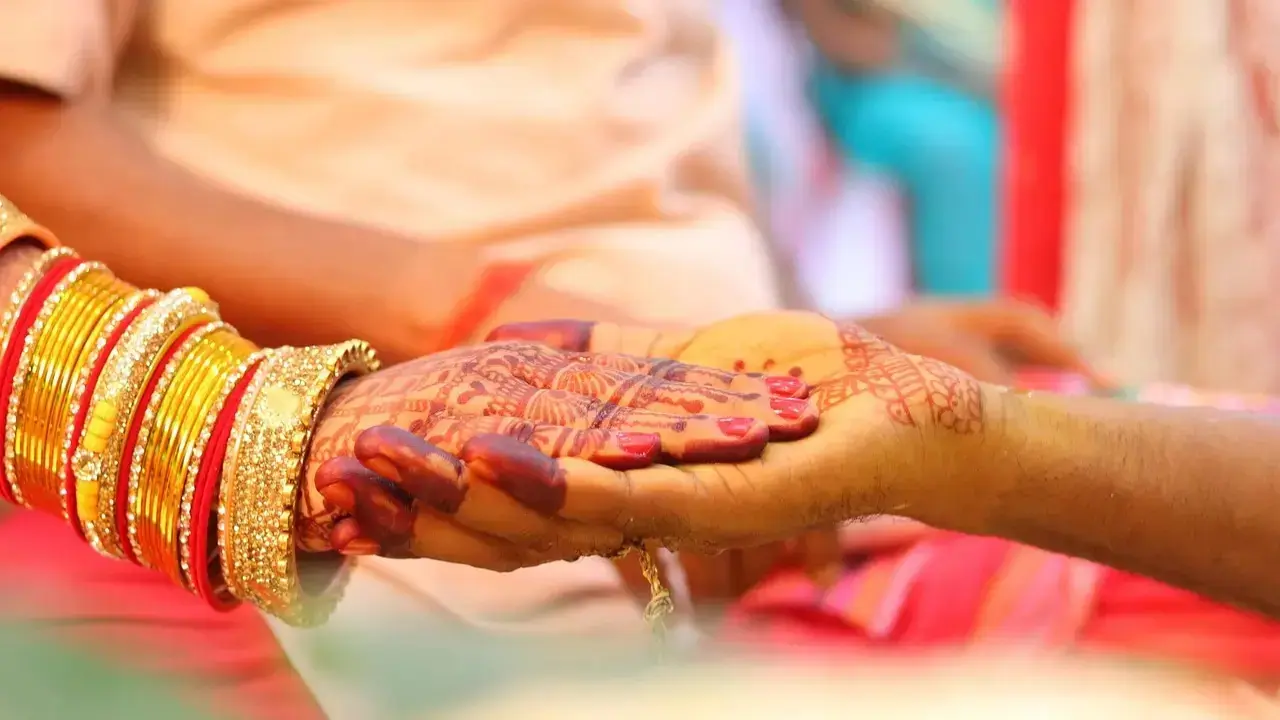
From the death of dulhan red to the rise of quiet luxury, designers reveal why the 2026 bride is choosing cinematic neutrals and sustainable shimmer over traditional high-contrast sets

Representational Image
For decades, the Indian bridal aesthetic was anchored by a single, immovable coordinate: dulhan red. It was a colour that signalled tradition, high-impact theatre, and a specific heritage costume. But as we move into 2026, a seismic shift is occurring under the mandap.
The modern bride is staging a non-red revolution. Influenced by the rise of quiet luxury, the technical demands of high-intensity LED lighting, and a growing consciousness toward garment longevity, brides are pivoting to a palette of sage, lavender, champagne, and ivory. This evolution is being shaped by modern design philosophies that prioritise versatility and sophistication.
Design experts delve into how the 2026 bride is redefining what it means to look regal, moving away from conventional norms toward a more personalised and contemporary elegance.
The litmus test: How to choose your forever shade
When you move away from the safety of red, the sheer volume of choices—from buttercream to steel blue—can be overwhelming. Shivani Nirupam, founder of label Shivani Nirupam, argues that while trends may dictate specific shades, the ultimate litmus test for a bride is emotional resonance and visual warmth.
"The most important thing to remember is that you have to look at your wedding pictures forever. Whether the trend is off-white or cream, the trend will fizzle out with time. To make your bridal attire truly timeless, pick your favourite colour,” says Nirupam.
However, Nirupam acknowledges that in a country where muhurat timings and monsoon rains are unpredictable, the environment plays a role. Her advice? Pick your battles:
1. The morning bride: If you love bright shades but want to avoid red, opt for warmer non-red tones that compliment the soft, gold morning light.
2. The monsoon/indoor bride: If you are a pastel girl but your rituals are indoors, opt for cool-toned decor to make your look stand out against the shadows.
Redefining regal in the era of quiet luxury
If red and gold represented the theatre of the past, what defines the high-fashion royalty of 2026? Rahul Khanna, creative director at Rohit Gandhi + Rahul Khanna, notes that the focus has shifted from loud announcements to tonal sophistication.
"Traditionally, regality was expressed through high-contrast combinations like red and gold that immediately signalled wedding. In 2026, the focus is on refinement, proportion, and personal expression. The bride is not moving away from grandeur; she is redefining it,” Khanna explains.
This quiet luxury move means the 2026 bride is prioritising her personal brand over a heritage uniform. “She wants to feel like herself, not a character in a costume. The power of sage or champagne lies in its ability to enhance the bride’s natural tone rather than overpowering it,” he adds.
The technical edge: Fabrics as built-in filters
One of the most practical drivers of the non-red trend is the evolution of wedding technology. Traditional, heavy, light-absorbing reds often look flat or excessively dark under the high-intensity LED setups common in modern 2026 mandaps.
Khanna highlights how fabrics like tissue silk, organza, and tulle act as natural reflectors, "Lighting has fundamentally changed how bridal wear is perceived. Dense textiles can absorb light, whereas lighter, translucent materials interact with it. Layered silhouettes allow light to pass through and scatter as the bride moves."
The result is what Khanna calls a soft halo or organic cinematic luminosity. “In a wedding film, these non-red fabrics act as a built-in filter, enhancing the bride’s complexion in a way that light-absorbing traditional fabrics simply cannot,” he poses.
Crafting the high-impact look without loud colour
A common fear for brides moving away from red is losing that bridal impact. Nirupam suggests that the safety net of high-impact colour can be replaced by architectural detail and strategic jewellery.
"The muted pastel story works well when you pick it up a notch with jewellery. A regal jadau set can pack a burst of vibrance on champagne or cream. Even creating lehengas out of your mother’s wedding saree is now considered a sign of luxury," Nirupam says.
For those opting for shades of white, she recommends:
1. Intricate zardozi: Meticulous gold thread work that adds a royal flair to pared-down shades.
2. Tonal contrast: Dramatising a baby pink lehenga with rubies or a pastel yellow lehenga with emeralds to break the monotony.
The jewellery shift
The transition to a non-red palette has fundamentally changed the bridal jewellery box. While gold and polki are traditional staples, they can feel heavy against lavender or sage.
Nirupam notes that for sunset pheras, diamonds offer an ethereal, minimalistic charm that serves as a sign of modest class. Furthermore, diamonds offer a versatility that gold often lacks—they can be repeated and repurposed easily.
Top jewellery trends include:
1. Pearls: For an old-worldly charm and vintage romance.
2. Tanzanite: Increasingly considered auspicious and pairing beautifully with shades of lavender or blue.
3. Monotone adornment: Matching the jewellery’s gemstones to the lehenga’s embroidery tones for a sophisticated, seamless look.
The taboo palettes: Five trends dominating 2026
Saurabh Gupta, co-founder of Kalki, identifies a total rejection of cookie-cutter looks. He muses, “Colours once considered inauspicious or taboo for the main ceremony are now at the forefront of the 2026 season.” Gupta outlines five key palettes:
1. The new whites: Once considered too minimal, ivory, and buttercream are now elevated with rich textiles for a look of understated elegance.
2. Sophisticated neutrals: Previously reserved for pre-wedding functions, champagne, sand, and beige are now main-ceremony favourites for their refined, luxurious feel.
3. Nature-inspired tones: Sage green, and olive resonate with the modern bride’s desire for "renewal and balance."
4. Couture blues: Powder blue, steel blue, and icy pastels are reinterpreted through high-fashion craftsmanship to offer a fresh, contemporary statement.
5. Modern greys: Once perceived as sombre, soft grey, dove tones are now modern neutrals that, when paired with silver or pearls, define quiet luxury.
The silver and pewter rebellion
For the first time in a decade, cool metallics are challenging the reign of gold. Khanna explains that designers are now using champagne-silver threads and 3D beadwork to ensure these cool tones don't look like standard evening gowns.
"Cooler metallics can actually sharpen radiance. They create a contrast that highlights the warmth of the skin rather than dulling it. By layering cool metallics with subtle warm undertones, designers are creating multidimensional looks that feel unmistakably bridal while remaining modern,” Khanna shares.
The afterlife of the wedding outfit
Perhaps the most significant driver for the non-red revolution is Intentionality. Gupta points out that 2026 brides are thinking about the afterlife of their attire.
"Brides are increasingly viewing their outfits as long-term investments. A champagne or sage lehenga transitions seamlessly into high-fashion galas or festive gatherings. It extends the life of the garment well beyond the wedding day,” Gupta says.
This move isn't just about minimalism, it’s about mindful luxury. “Brides are asking whether a piece can evolve with them. By choosing versatile colours and prioritising craftsmanship over theatrical colour, the 2026 bride is ensuring her investment piece remains relevant for decades,” he reflects.
Conclusion: A future-facing heritage
As the non-red revolution continues, it is clear that tradition isn't being abandoned—it’s being refined. Whether it is the focus on personal favourites, mastery of cinematic lighting, or embrace of unconventional palettes, the message is the same.
The 2026 bride respects her heritage, but she refuses to wear it as a uniform. She is choosing colours that spark joy, fabrics that hold light, and designs that promise a life beyond the wedding day. In 2026, the most regal thing a bride can be is unmistakably herself.
Subscribe today by clicking the link and stay updated with the latest news!" Click here!