Home / Lifestyle / Health & Fitness / Article /
Aargh se aha! tak
Updated On: 18 October, 2020 12:00 AM IST | | Prutha Bhosle
Good things can come out of bad. An Indian doctor at the University of Arizona makes a link between SARS CoV-2 and pain relief, explaining why nearly half the people infected with COVID-19 experience few or no symptoms



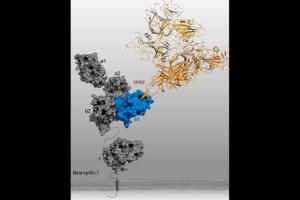
A study published in the paper, SARS-CoV-2 Spike protein co-opts VEGF-A/Neuropilin-1 receptor signalling to induce analgesia, explains that VEGF-A is a protein secreted in human cells that induces pain. It begins floating in the body and comes in proximit
On April 20, 51 journalists and two BMC staff members tested positive for COVID-19 in the state. All the patients were said to be asymptomatic. In its guidelines that same week, Mumbai-s civic body said that it will not test asymptomatic patients. In a report dated April 21, Maharashtra-s Education and Drug Department reported that 84 per cent of the active positive cases in Maharashtra at the time showed few or no symptoms. Some days later, a statement by the Indian Council of Medical Research ICMR notified: "Around 69 per cent Coronavirus patients in India did not show any symptoms of the infection after being tested." Worldwide data revealed that 80 per cent of the total cases had no or mild COVID-19 symptoms.
Also known as "silent spreaders", asymptomatic patients have unknowingly infected others, thus raising concern in the global medical community. A new research explains why nearly half of all people who get COVID-19 experience few or no symptoms, even though they are able to transmit the disease. "SARS-CoV-2, the virus that causes COVID-19, can relieve pain," says the study-s corresponding author Dr Rajesh Khanna, PhD, and professor at the University of Arizona College of Medicine—Tucson-s Department of Pharmacology.
How do you like the new new mid-day.com experience? Share your feedback and help us improve.
Trending Stories
Latest Photos
Latest Videos
Latest Web Stories
ADVERTISEMENT
Mid-Day Fast
ADVERTISEMENT

ADVERTISEMENT