Home / Lifestyle / Health & Fitness / Article /
Haemophilia: Early diagnosis and intervention crucial
Updated On: 27 May, 2019 02:50 PM IST | | mid-day online correspondent
Despite its alarming symptoms, the disease largely remains undetected and undiagnosed. This is because Haemophilia is still a rare disease and one that is usually inherited



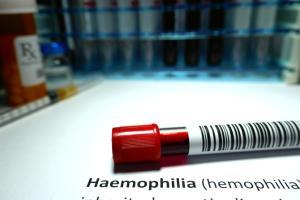
Representational Pic
According to the WFH, India ranks second on the list of countries with the highest number of Haemophilia patients in the world, with as many as 17,000 recorded haemophiliacs. Haemophilia is a severe bleeding disorder which causes patients to be deficient or severely lacking in a specific kind of protein called ‘clotting factors’. In the absence of these proteins, the blood is unable to clot, leading to excessive and continuous bleeding.
Despite its alarming symptoms, the disease largely remains undetected and undiagnosed. This is because it is still a rare disease and one that is usually inherited. Thus, most haemophiliacs are unaware that they could even be suffering from it, until they experience intense bleeding due to trauma or surgery, despite living with it since their childhood. Although there is no cure yet, persons with haemophilia can lead a near to normal life, if they have access to sufficient clotting factor concentrate and can administer it preventatively to curb it and reduce bleeding. This is the standard of haemophilia care in developed economies. In developing countries, prophylaxis and home care management of haemophilia are not standard, due to low awareness, limited capacity, and absence of treatment guidelines.
How do you like the new new mid-day.com experience? Share your feedback and help us improve.
Trending Stories
Latest Photos
Latest Videos
Latest Web Stories
ADVERTISEMENT
Mid-Day Fast
ADVERTISEMENT

ADVERTISEMENT