shot-button
E-paper E-paper
Home > Lifestyle News > Nature And Wildlife News > Article > Bird populations in tropics witness 25 to 38 pc decline due to climate change linked heat extremes Study

Bird populations in tropics witness 25 to 38 pc decline due to climate change-linked heat extremes: Study

Updated on: 17 August,2025 08:09 PM IST  |  Mumbai
PTI |

The study found that tropical birds today face extreme heat on an average of 30 days a year, compared to just three days four decades ago. Overall, they are now exposed to 10 times more extreme heat events than in 1980

Bird populations in tropics witness 25 to 38 pc decline due to climate change-linked heat extremes: Study

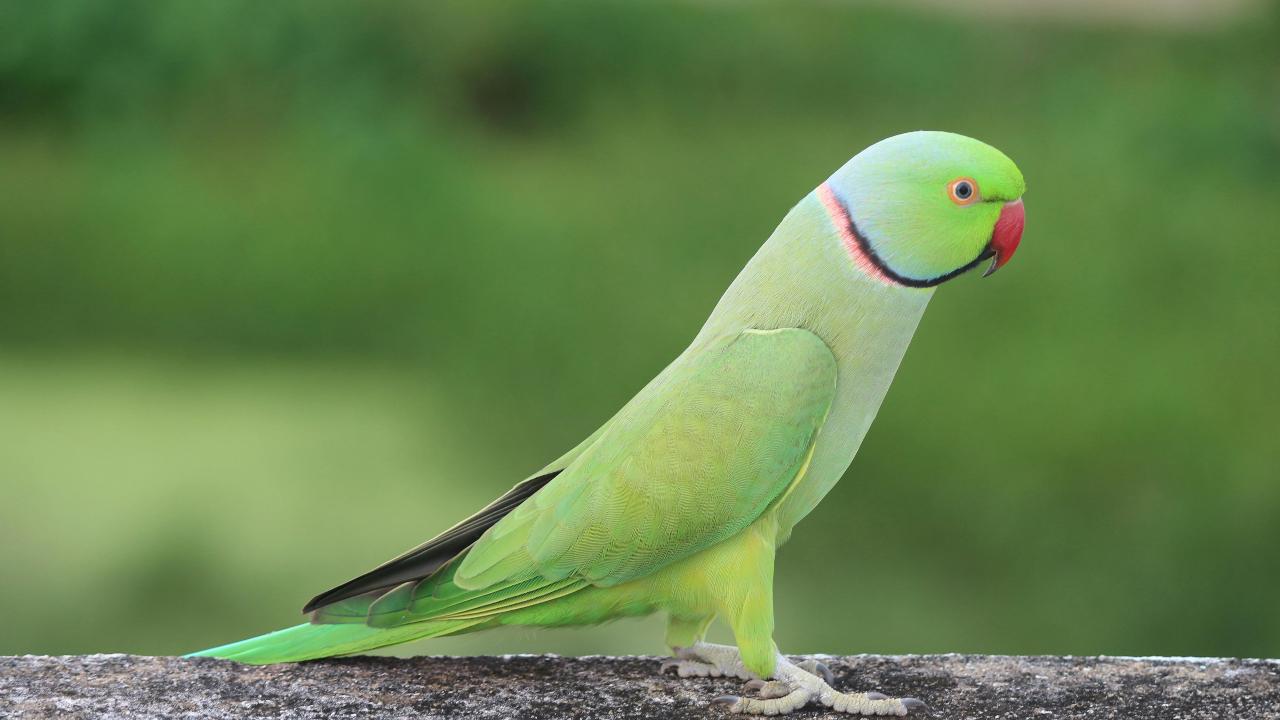
Image for representational purposes only (Photo Courtesy: Pexels)

Listen to this article
Bird populations in tropics witness 25 to 38 pc decline due to climate change-linked heat extremes: Study
x
00:00

Bird populations in the tropics have dropped by roughly 25 to 38 per cent since 1980 due to intensifying heat extremes linked to climate change, with some species declining by more than 50 per cent, according to a new study.

The research, published on Monday in the journal 'Nature', involved scientists from the Potsdam Institute for Climate Impact Research (PIK), the University of Queensland and the Barcelona Supercomputing Centre (BSC).


"It's a staggering decrease. Birds are particularly sensitive to dehydration and heat stress. Extreme heat drives excess mortality, reduced fertility, changing breeding behaviours and reduced offspring survival," said lead author Maximilian Kotz, a guest researcher at PIK and researcher at BSC.


The study found that tropical birds today face extreme heat on an average of 30 days a year, compared to just three days four decades ago. Overall, they are now exposed to 10 times more extreme heat events than in 1980.

By combining observed data with models, the researchers were able to identify the effects of climate change on bird populations worldwide, with a focus on heat and precipitation.

"Compared to a counterfactual without human-driven climate change, the historical intensification of heat extremes has caused a 25-38 per cent reduction in the level of abundance of tropical birds, which has accumulated from 1950 to 2020," the study said.

The steepest population declines were recorded in the tropics, but nearly every region saw reductions in abundance, with extreme heat identified as the greatest factor.

"Rising temperatures are really pushing species out of the ranges that they have naturally adapted to and in a very short amount of time," Kotz said.

Until now, separating the impacts of climate change from losses caused by direct human activities such as deforestation has been challenging.

The research team's methods allowed them to do so, revealing that in lower-latitude tropical regions, intensifying heat extremes are already contributing more to bird population declines than deforestation and habitat destruction, PIK said in a statement.

This may help explain large declines in bird numbers recently reported from undisturbed tropical rainforests in the Amazon and Panama without a clear cause, it added.

"On the conservation side, this work tells us that in addition to protected areas and stopping deforestation, we urgently need to look into strategies for species who are more vulnerable to heat extremes to maximise their adaptation potential. That might mean ex-situ conservation work so working with some populations in other locations," said co-author Tatsuya Amano from the University of Queensland.

"Ultimately, our emissions are at the heart of this issue. We need to be bringing them down as fast as possible," Kotz said.

This story has been sourced from a third party syndicated feed, agencies. Mid-day accepts no responsibility or liability for its dependability, trustworthiness, reliability and data of the text. Mid-day management/mid-day.com reserves the sole right to alter, delete or remove (without notice) the content in its absolute discretion for any reason whatsoever

"Exciting news! Mid-day is now on WhatsApp Channels Subscribe today by clicking the link and stay updated with the latest news!" Click here!

Did you find this article helpful?

Yes
No

Help us improve further by providing more detailed feedback and stand a chance to win a 3-month e-paper subscription! Click Here

Note: Winners will be selected via a lucky draw.

Help us improve further by providing more detailed feedback and stand a chance to win a 3-month e-paper subscription! Click Here

Note: Winners will be selected via a lucky draw.

Climate change climate risks environment Nature wildlife lifestyle research

Mid-Day Web Stories

Mid-Day Web Stories

This website uses cookie or similar technologies, to enhance your browsing experience and provide personalised recommendations. By continuing to use our website, you agree to our Privacy Policy and Cookie Policy. OK