Home / Lifestyle / Nature & Wildlife / Article /
Venice's growing flamingo population finds refuge in recovering wetlands
Updated On: 02 June, 2026 01:04 PM IST | Venice | AP
Flamingos - which most famously nest in Spain and France - started showing up in the vast Venetian Lagoon in the early 2000s, mostly in fishing valleys and mudflats in the lagoon's furthest reaches, with only rare sightings in the canaled historic centre of Venice that is most frequented by global tourists





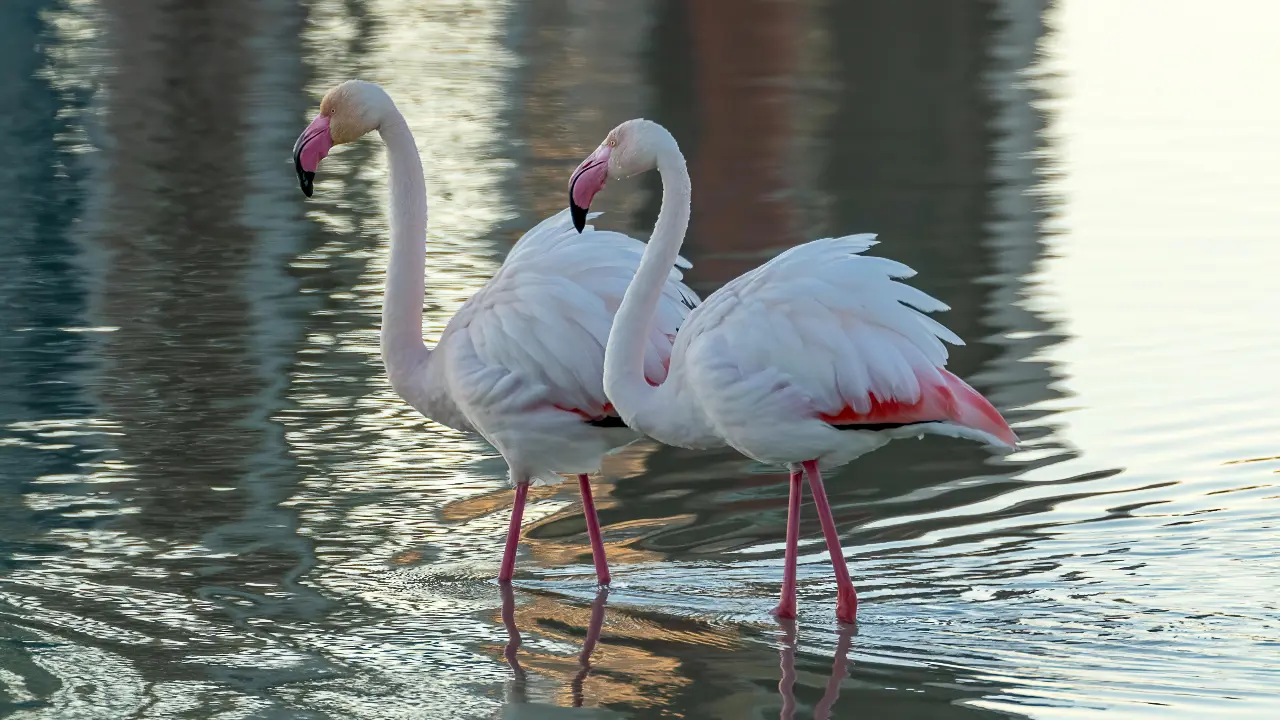
Image for representational purposes only. Image courtesey: Pexels
Perhaps nothing better illustrates the flamingo's status as a newcomer to the Venetian Lagoon than the fact that the local dialect has no word for them.
But the pale pink birds - called "fenicotteri" in Italian - are now flocking to Venice in record numbers, as ecological efforts to restore damaged wetlands could help expand their habitat and possibly induce them to nest in the lagoon.
Flamingos - which most famously nest in Spain and France - started showing up in the vast Venetian Lagoon in the early 2000s, mostly in fishing valleys and mudflats in the lagoon's furthest reaches, with only rare sightings in the canaled historic centre of Venice that is most frequented by global tourists.
Venice Lagoon becomes an unlikely flamingo haven
-----------------------------------------------------------
Environmentalists say their arrival in Venice as the European flamingo's range expands is a sign of the lagoon's health and suitability as a feeding ground.
Last year, the number of wintering flamingos in Venice peaked at a record of nearly 24,000. That is 6,000 more than the previous year, numbers "that position the Venetian Lagoon as one of the most important wintering spots in its entire habitat range," said ornithologist Alessandro Sartori.
Sartori surveys the lagoon weekly by boat for signs of nesting, which would indicate a self-sustaining Venetian colony.
So far there are no fresh signs after two nesting attempts, in 2008 and 2013, in northern lagoon fishing valleys suffered serious setbacks, including violent hail that killed dozens of birds.
More than 90 per cent of the birds counted in last year's census were in the northern lagoon, which contains a large area of natural salt marsh.
The flamingos are also attracted by the traditional fishing valleys, semi-natural embanked wetlands that provide abundant food but can also bring them into conflict with human activity.
Trending Stories
Latest Photos
Latest Videos
Latest Web Stories
ADVERTISEMENT
Mid-Day Fast
ADVERTISEMENT