shot-button
E-paper E-paper
Home > Mumbai > Mumbai News > Article > COVID 19 No warning no action as infections begin to rise again

COVID-19: No warning, no action as infections begin to rise again

Updated on: 05 June,2025 11:34 AM IST  |  Mumbai
Vinod Kumar Menon | vinodm@mid-day.com

Experts flag the absence of early warning systems, public advisories, and updated protocols amid rising COVID-19 cases, despite past assurances of pandemic readiness. The current strain appears to be less severe, but complacency would be a mistake. Be alert, but don’t panic, says experts

COVID-19: No warning, no action as infections begin to rise again

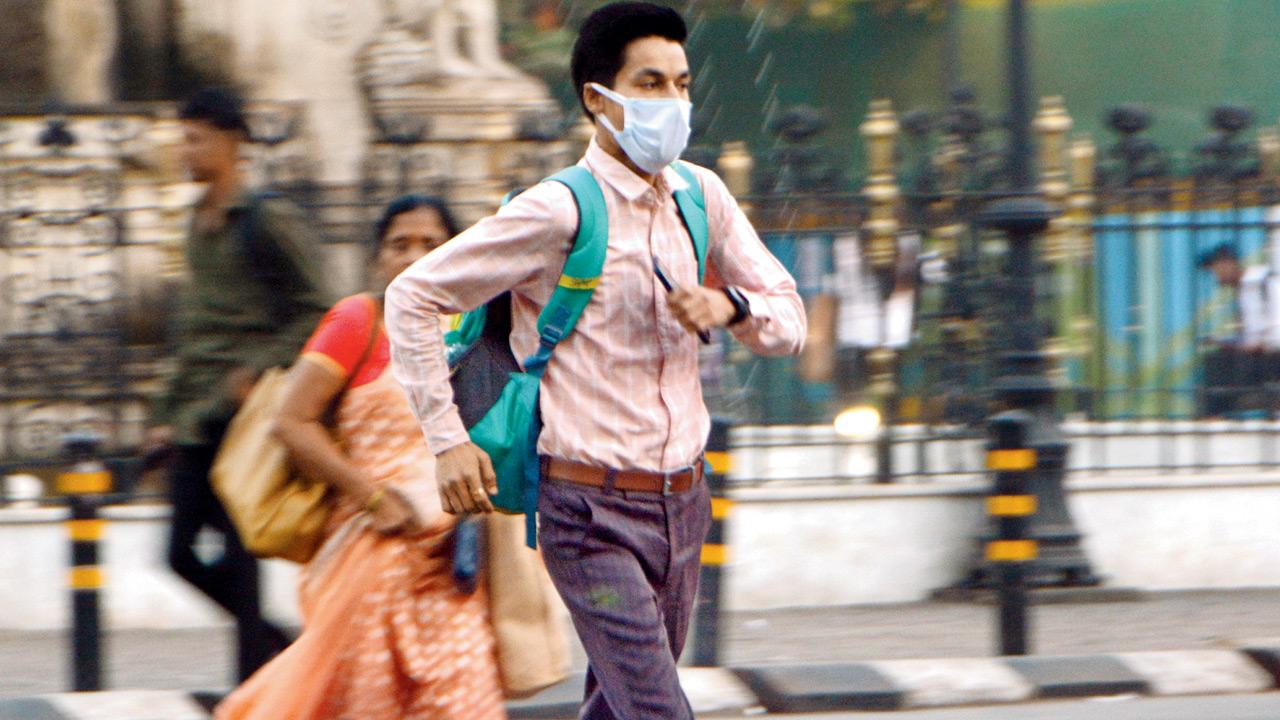
A pedestrian at MG Road, Fort, uses a face mask as a precaution on January 4, 2024. File Pic/Satej Shinde

Listen to this article
COVID-19: No warning, no action as infections begin to rise again
x
00:00

As SARS-CoV-2 cases begin to rise once again across the state and country, the threat posed by infectious diseases is far from over. Despite having endured multiple waves of COVID-19, the country’s preparedness to prevent or manage future outbreaks remains inadequate.

“There is little evidence of the robust planning required to contain future surges,” said Dr Subhash Salunke, former director general of Public Health Services and ex-member of the state and ICMR COVID-19 task force.


Speaking to mid-day, he warned of a troubling silence from government agencies and a lack of action on the ground, raising serious questions about whether citizens are being adequately informed by authorities to take the necessary precautions to prevent another COVID-19 outbreak.


‘Strain less severe’

“The current strain appears to be less severe, but complacency would be a mistake. Be alert, but don’t panic. We are entering a season marked by climatic changes. The monsoon brings lower temperatures and higher humidity, conditions known to facilitate sporadic viral outbreaks ,” he asked.

Appropriate scientific surveillance

The early detection of clusters, timely genomic sequencing, and widespread virological monitoring are essential. “Unfortunately, these efforts appear insufficient or even absent at both central and state levels,” said Dr Salunke.

BMC health workers conduct a antigen tests for passengers at Dadar station on April 29, 2021. File Pic/Ashish Raje

“The Union finance minister, in an earlier budget speech, spoke about setting up virology studies and genomic research institutes nationwide. But where are these initiatives on the ground? Where are the early warning systems? 

False sense of security

“After declaring victory over COVID-19, we’ve allowed ourselves to fall into a false sense of security. While the government was credited for managing earlier waves, little has been done in terms of sustainable capacity building over the past four years. Preparedness must encompass the entire spectrum of communicable disease management — training of doctors, strengthening public health infrastructure, establishing case management protocols, and ensuring effective leadership.” said Dr Salunke.

Virus mutation is natural

“Viruses will continue to mutate, it’s a natural part of their life cycle. That’s why we need mechanisms to detect mutations early, respond promptly, and adapt vaccines when necessary,” said Dr Salunke. “Hospitals must be prepared, and medical staff must be trained to handle emerging infectious diseases. Yet, at the top levels of government, this is still being taken lightly,” he said.

Higher risk in urban areas

“We must be prepared to identify and contain clusters early, especially in urban areas where risks are higher and urban health is a complex issue partciularly in slum and slum like pockets, due to the dicatomy of control between the state public health department and state urban development department. For Urban development departmet, public health is not a priority at all. Do we have a clear action plan? Simply giving instructions is not enough; we need proactive implementation.”
On the vaccine front, he said, “The vaccines developed earlier served their purpose. But unless we develop updated vaccines tailored to current and future variants, we risk being caught unprepared again. Herd immunity from natural infections has offered only temporary relief, it cannot be relied upon as a long-term strategy.”

What’s next?

“There is currently a lack of clearly defined protocols for vulnerable populations and that needs to change immediately,” said Dr. Salunke. “Pandemic preparedness is an ongoing process, not a one-time effort. We must stop waiting for a crisis to act. Instead, we must build systems that are always ready. Only then can we truly claim to be protecting our people and our future.”

"Exciting news! Mid-day is now on WhatsApp Channels Subscribe today by clicking the link and stay updated with the latest news!" Click here!

Did you find this article helpful?

Yes
No

Help us improve further by providing more detailed feedback and stand a chance to win a 3-month e-paper subscription! Click Here

Note: Winners will be selected via a lucky draw.

Help us improve further by providing more detailed feedback and stand a chance to win a 3-month e-paper subscription! Click Here

Note: Winners will be selected via a lucky draw.

Covid 19 Coronavirus vaccine brihanmumbai municipal corporation mumbai mumbai news

Mid-Day Web Stories

Mid-Day Web Stories

This website uses cookie or similar technologies, to enhance your browsing experience and provide personalised recommendations. By continuing to use our website, you agree to our Privacy Policy and Cookie Policy. OK