The proposal is part of the state government’s broader “Viksit Maharashtra 2047” vision, which focuses on adopting advanced technology to improve governance, public safety and justice delivery

Representational Image
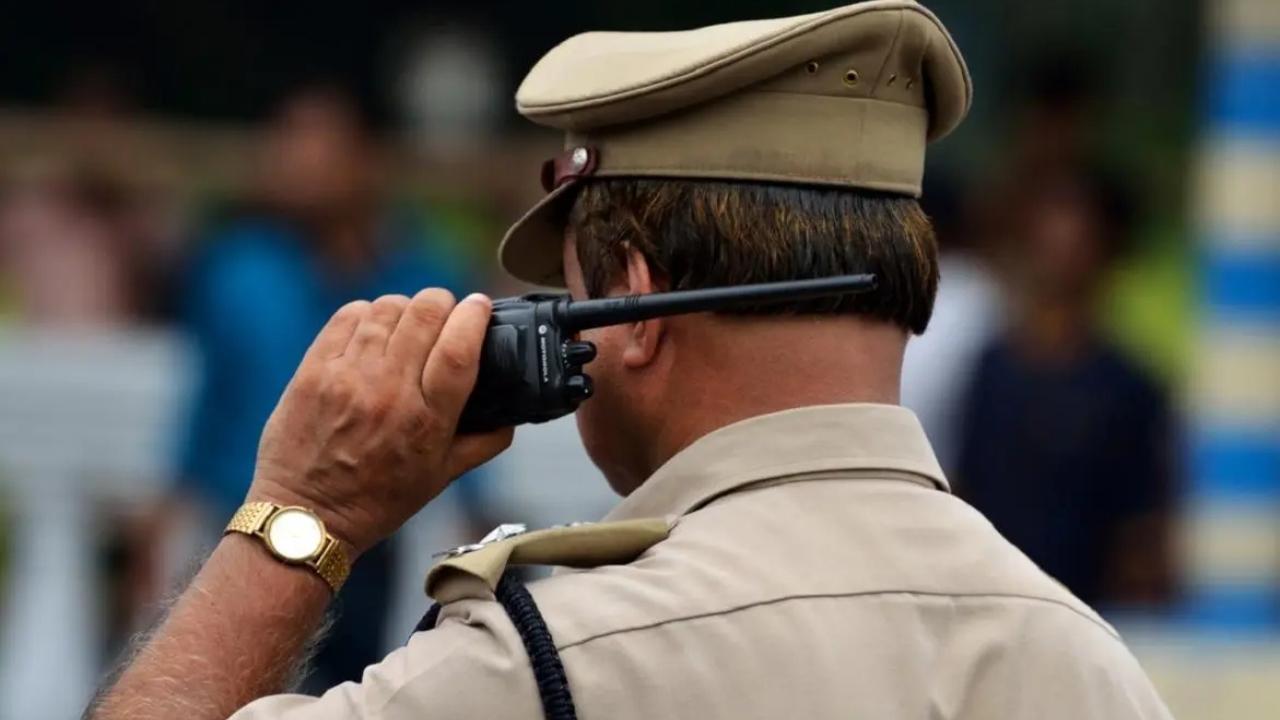
In a major push towards technology-driven policing, Maharashtra Chief Minister Devendra Fadnavis on Friday announced that police personnel across the state will be equipped with body-worn cameras over the next three years. The initiative was unveiled as part of the Maharashtra Budget 2026, aimed at modernising law enforcement and strengthening transparency and accountability in policing.
The proposal is part of the state government’s broader “Viksit Maharashtra 2047” vision, which focuses on adopting advanced technology to improve governance, public safety and justice delivery.
Body-worn cameras for smart policing
According to the chief minister, body-worn cameras will be provided to police personnel in a phased manner over the next three years.
The devices are expected to enhance transparency in police operations, improve evidence collection during investigations and increase accountability in interactions between police personnel and citizens.
Officials said the move is aimed at building public trust while also ensuring better documentation of policing activities.
Maharashtra Land Title Bill to reduce property disputes
As part of legal reforms, the government has also proposed the Maharashtra Land Title Bill, also referred to as the Hakkadhari Bill.
The proposed legislation aims to reduce disputes related to property ownership, prevent malpractices in property transfers and ensure stronger protection of citizens’ property rights.
The bill is expected to bring greater clarity and transparency to land ownership records, which have often been a source of disputes and litigation.
Push for paperless governance and digital services
The government reiterated its commitment to expanding digital governance across departments.
Fadnavis said the state plans to computerise 100 per cent of land transactions, implement a fully functional e-office system, and gradually transition towards paperless government operations.
These measures are aimed at improving administrative efficiency, reducing delays and making government services more accessible to citizens and businesses.
Comprehensive cybersecurity framework planned
To strengthen digital security, the government will implement a comprehensive cybersecurity policy aligned with the vision of Viksit Maharashtra 2047.
The policy is intended to ensure that Maharashtra develops into a secure and reliable digital ecosystem, capable of protecting sensitive government data and digital infrastructure.
As part of this initiative, an advanced State Data Centre will be established in Nagpur to safeguard the state’s sovereign data and support government applications.
Technology-driven policing and forensic capabilities
The state government also plans to expand the use of technology in policing and crime investigation.
Measures announced in the budget include complete digitisation of police records, deployment of advanced CCTV systems and establishment of cyber forensic centres in all districts.
In addition, Intelligent Traffic Management Systems (ITMS) will be introduced to improve traffic monitoring and enhance road safety.
To strengthen forensic investigation capabilities, the government has already deployed 21 mobile forensic vehicles on a pilot basis, enabling faster and more efficient crime scene analysis.
The chief minister also said the Maharashtra Cyber Crime Security Corporation has been made operational to improve monitoring of cyber threats and enhance citizen safety in the digital domain.
AI technology to tackle wildlife conflict
The government has also announced plans to deploy Artificial Intelligence-based systems to address human-wildlife conflict, which has become a growing concern in several parts of the state.
These measures will include AI-based early detection of wildlife movement, thermal drones for night patrolling, command-and-control centres and solar fencing systems.
Disaster management infrastructure to be strengthened
In addition to policing reforms, the government plans to strengthen disaster preparedness.
A State Disaster Management Institute will be established at MIHAN in Nagpur to promote research and develop strategies for dealing with natural and man-made disasters.
The state has also approved the creation of a State Disaster Response Force (SDRF) with four battalions, modelled on the National Disaster Response Force (NDRF), to improve emergency response capabilities across Maharashtra.
These initiatives, according to the government, are part of a broader strategy to modernise governance systems while improving safety, security and resilience across the state.
Subscribe today by clicking the link and stay updated with the latest news!" Click here!