Home / Mumbai / Mumbai News / Photos /
IN PHOTOS | A Century of rail electrification in India: From steam to a sustainable future
Updated On: 02 February, 2025 08:15 PM IST | Joy Manikumar
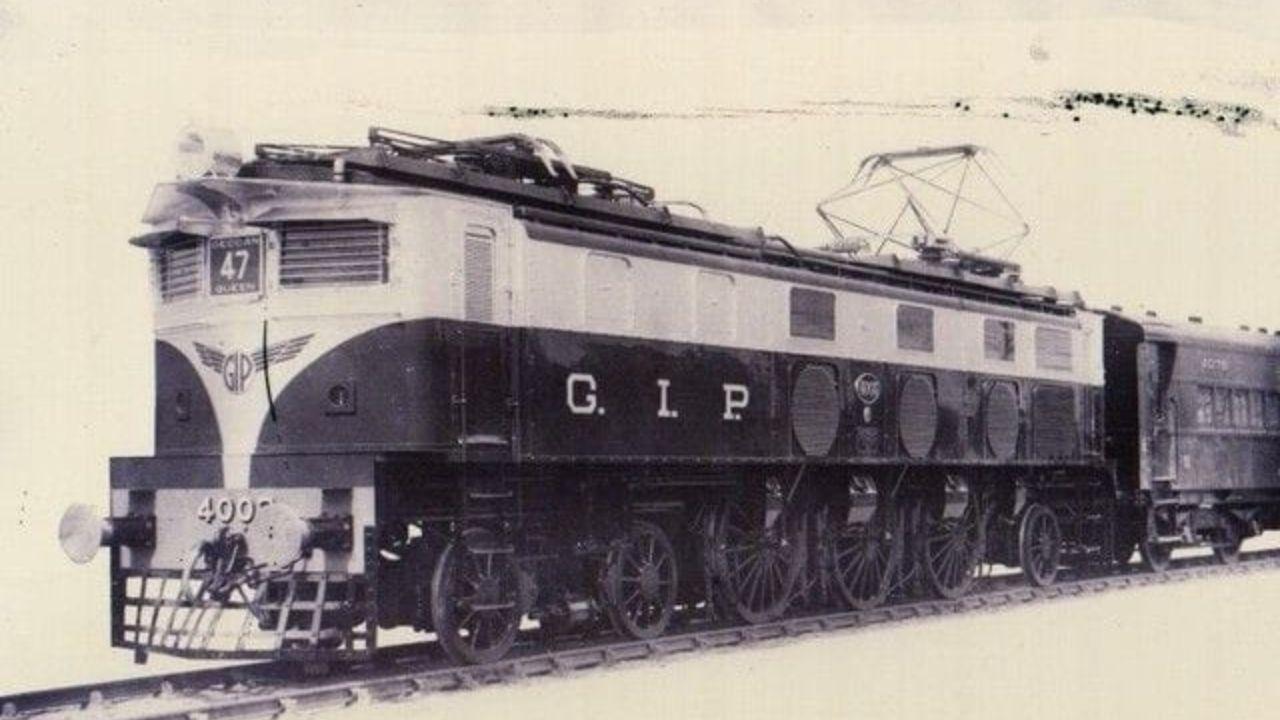
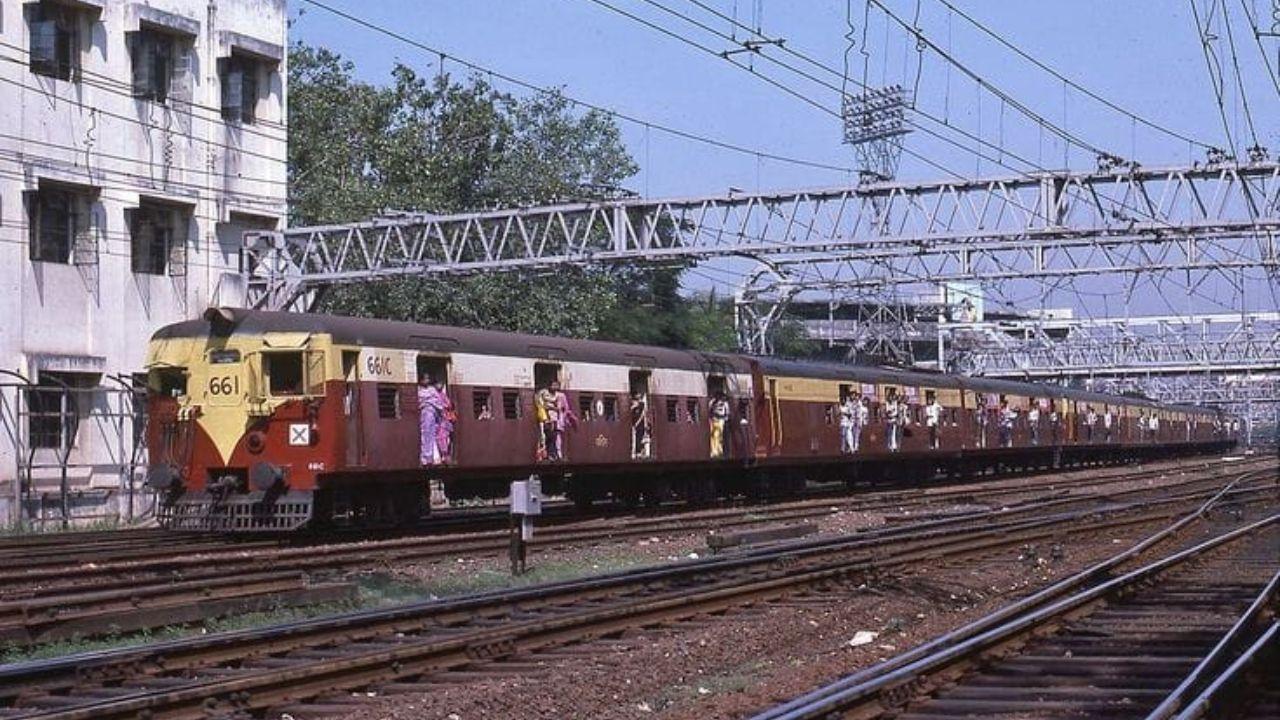
Indian Railways is set to celebrate 100 years of electrification in a grand way this Monday, with a series of special events planned. Take a look at some rare and historic pictures showcasing this incredible journey. (Pics/Western Railway)



1/24

2/24
The world's first train began operations in 1825, marking the start of a new era in transportation. India’s first passenger train ran on April 16, 1853, between Mumbai and Thane
ADVERTISEMENT

3/24
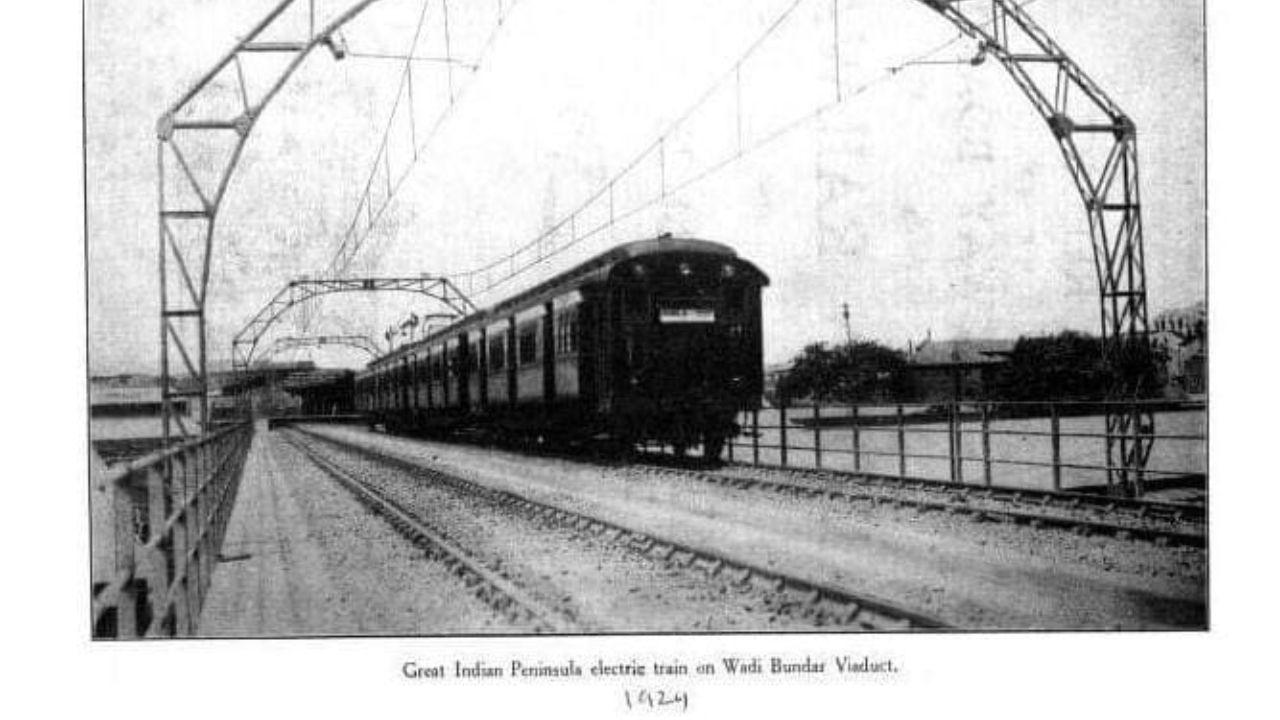
On February 3, 1925, India’s first electric train ran between Chhatrapati Shivaji Terminus (CSMT) and Kurla, Mumbai, covering 16 km on 1500V DC
4/24
Electrification in South India began in 1931, with the suburban line from Madras Beach (Chennai) to Tambaram
ADVERTISEMENT
5/24
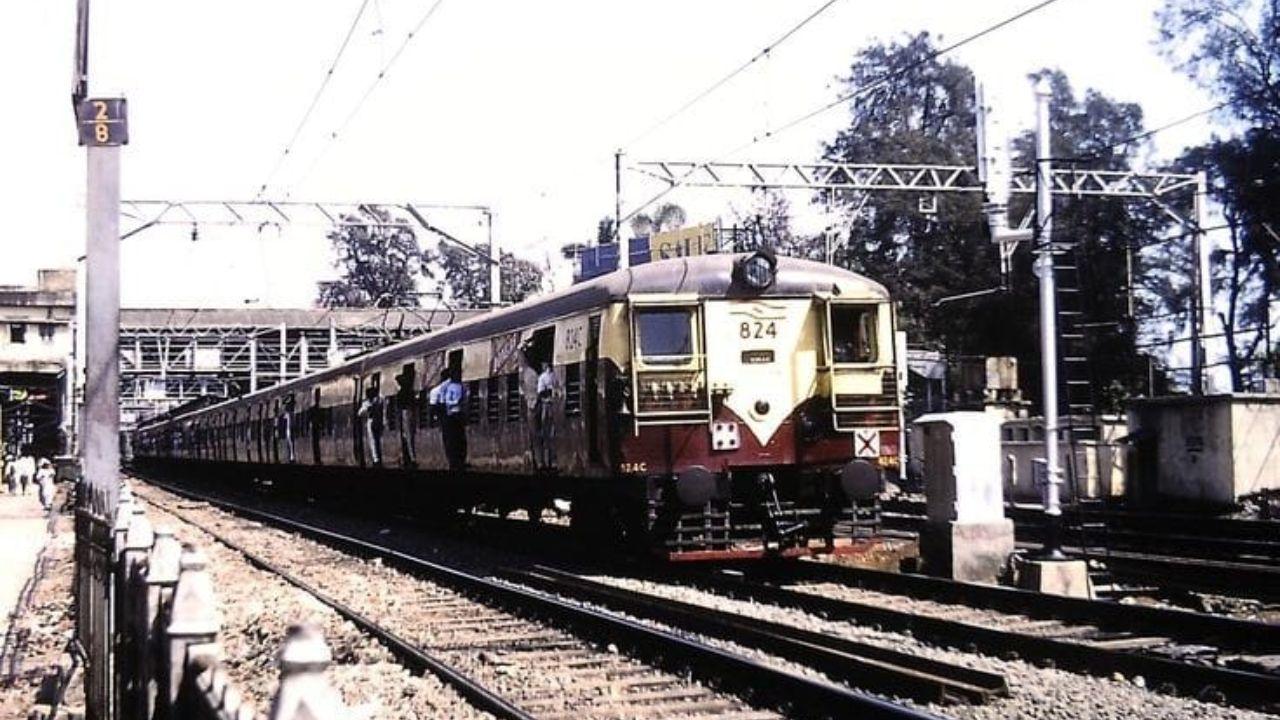
By 1947, at the time of independence, India had only 388 km of electrified railway lines
6/24
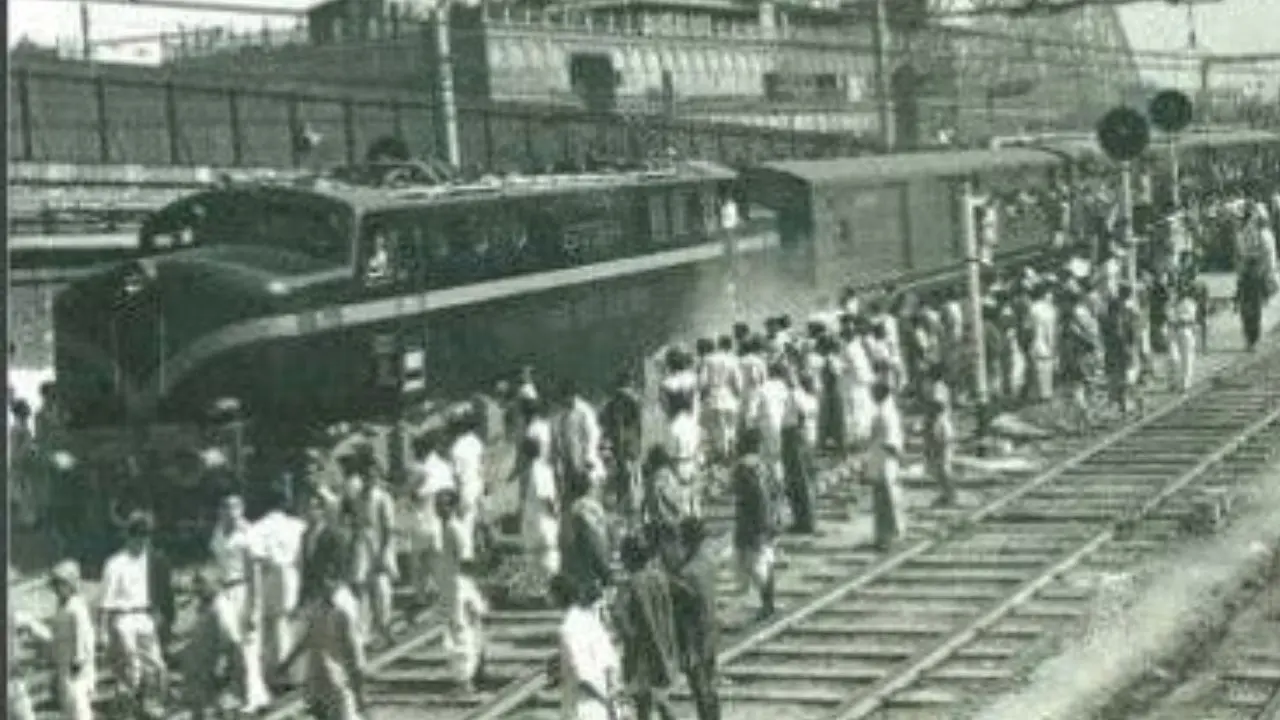
In 1957, the first electrified track in Kolkata was inaugurated between Howrah and Sheoraphuli
ADVERTISEMENT
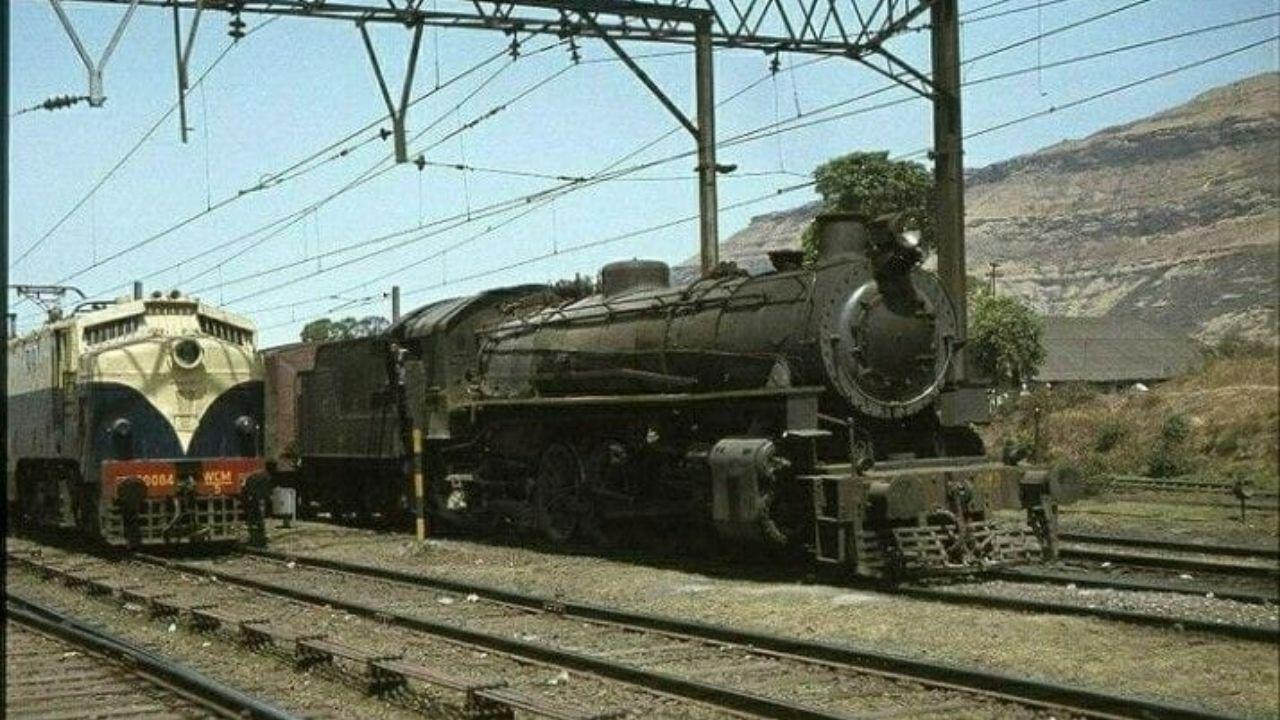
7/24
The 25 kV AC system was adopted as the standard for Indian Railways in 1957, making India the second country after the Soviet Union to do so
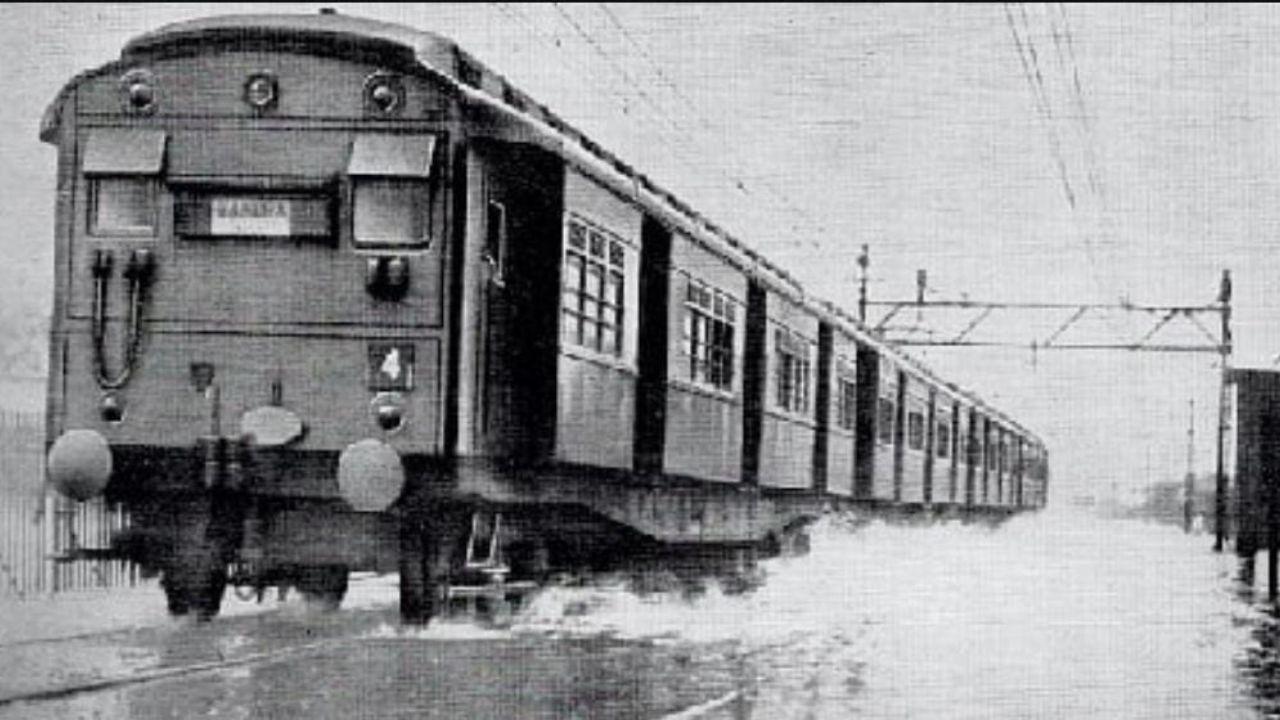
8/24
The first 25 kV AC trial was successfully conducted in 1959 on the Rajkharsawan-Dangoaposi section
ADVERTISEMENT
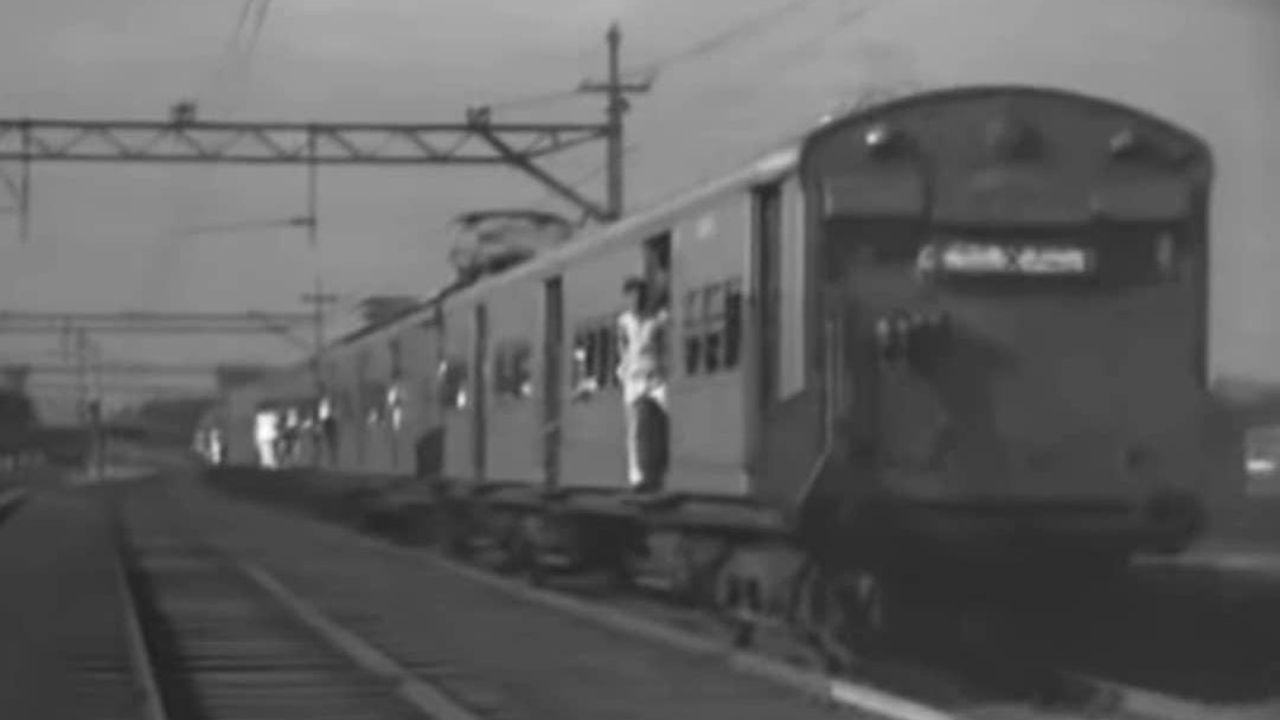
9/24
By 1966, over 50 percent of freight transport in the Eastern and South-Eastern Railway Zones was running on electric traction
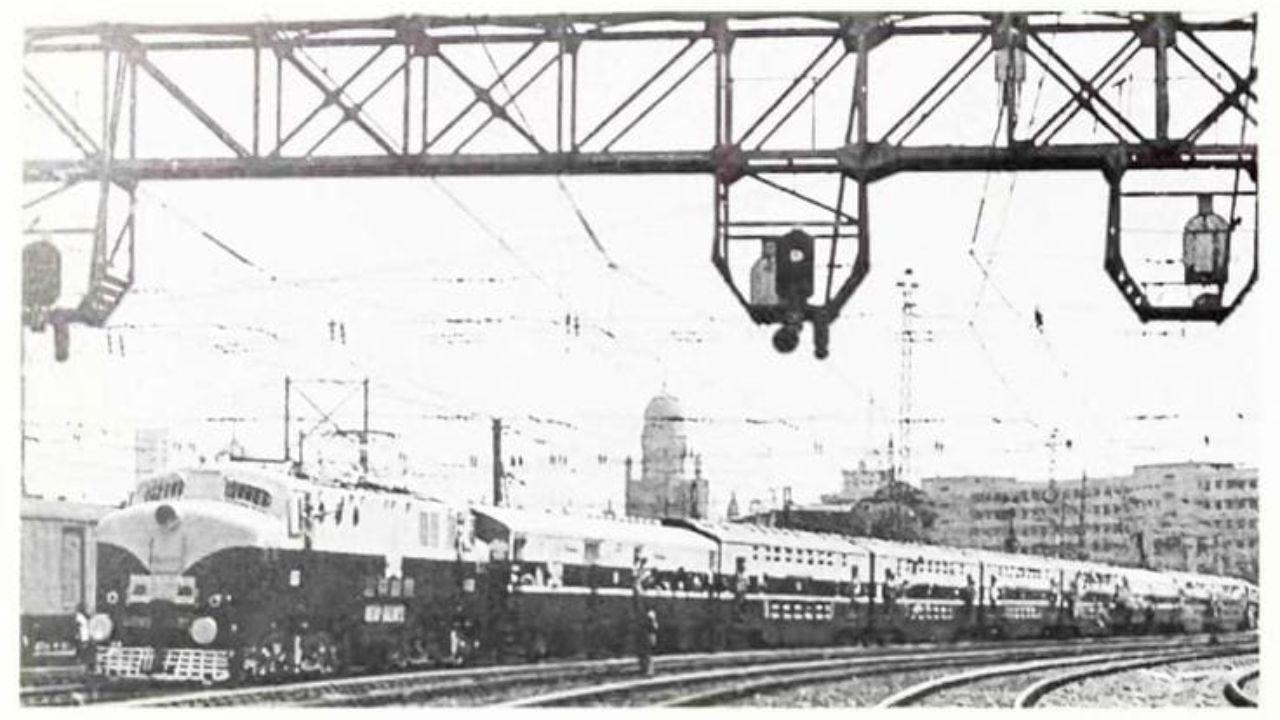
10/24
In the 1970s, electrification expanded significantly in Delhi and Mumbai railway zones
ADVERTISEMENT
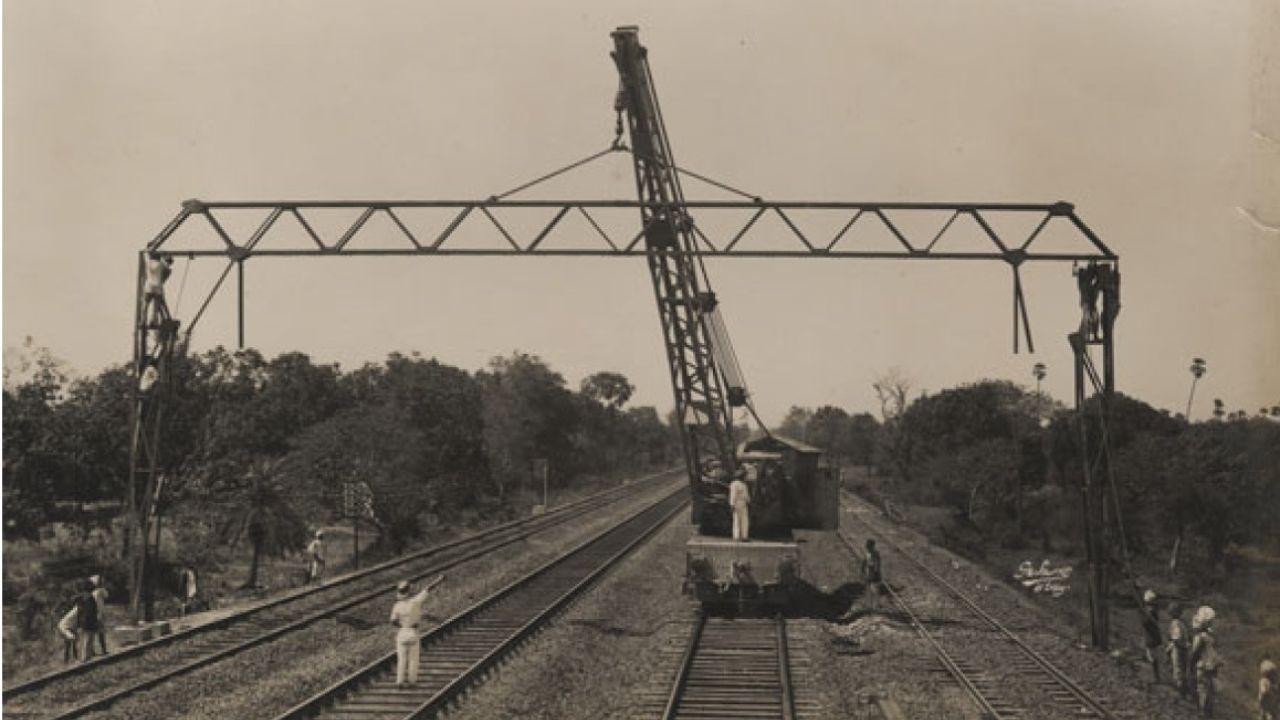
11/24
Indian Railways introduced the WAP series electric locomotives, improving speed, efficiency, and reliability
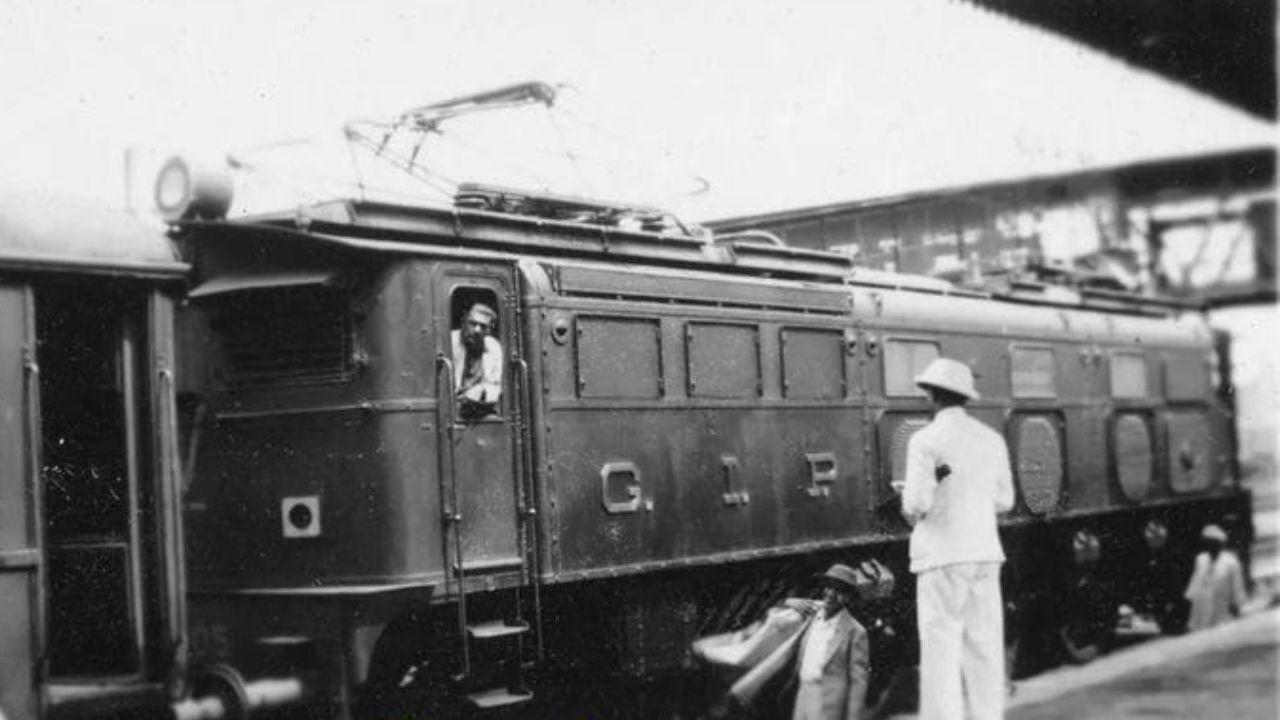
12/24
Major rail corridors like Delhi-Mumbai, Howrah-Delhi, and Chennai-Delhi were electrified in the 1980s and 1990s
ADVERTISEMENT
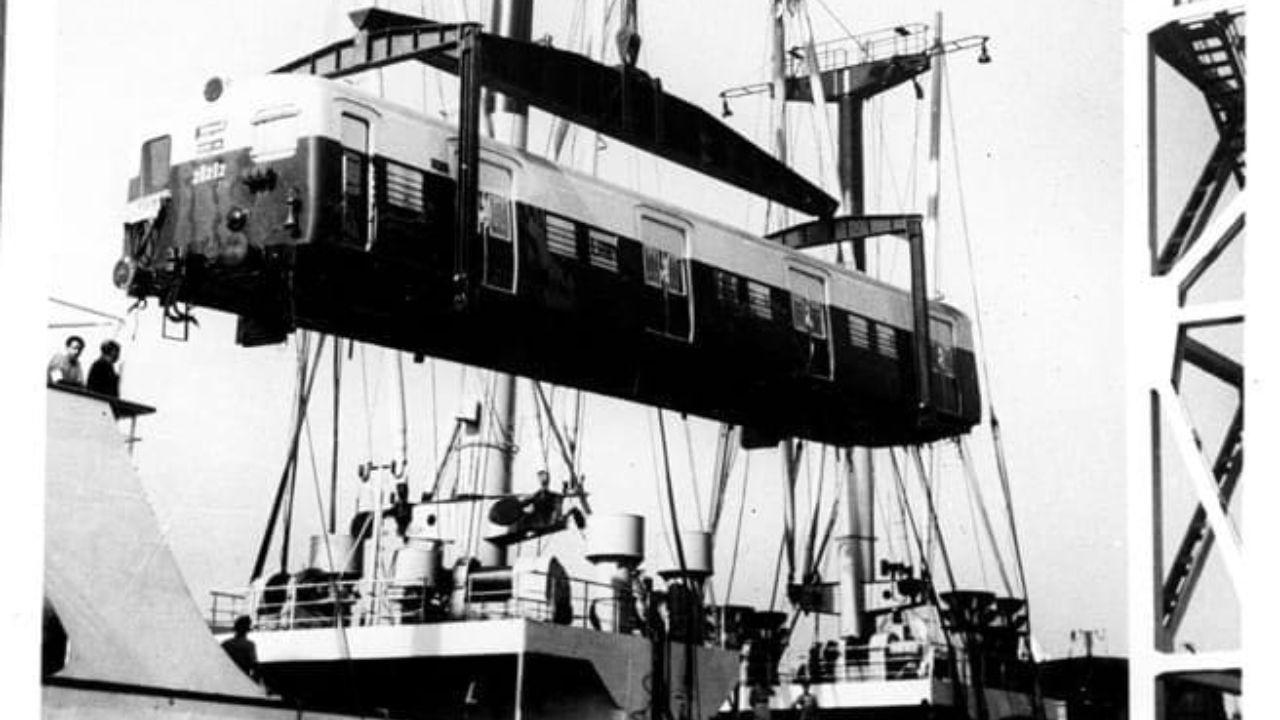
13/24
India’s first metro rail system in Kolkata began operations in 1984, fully powered by electricity
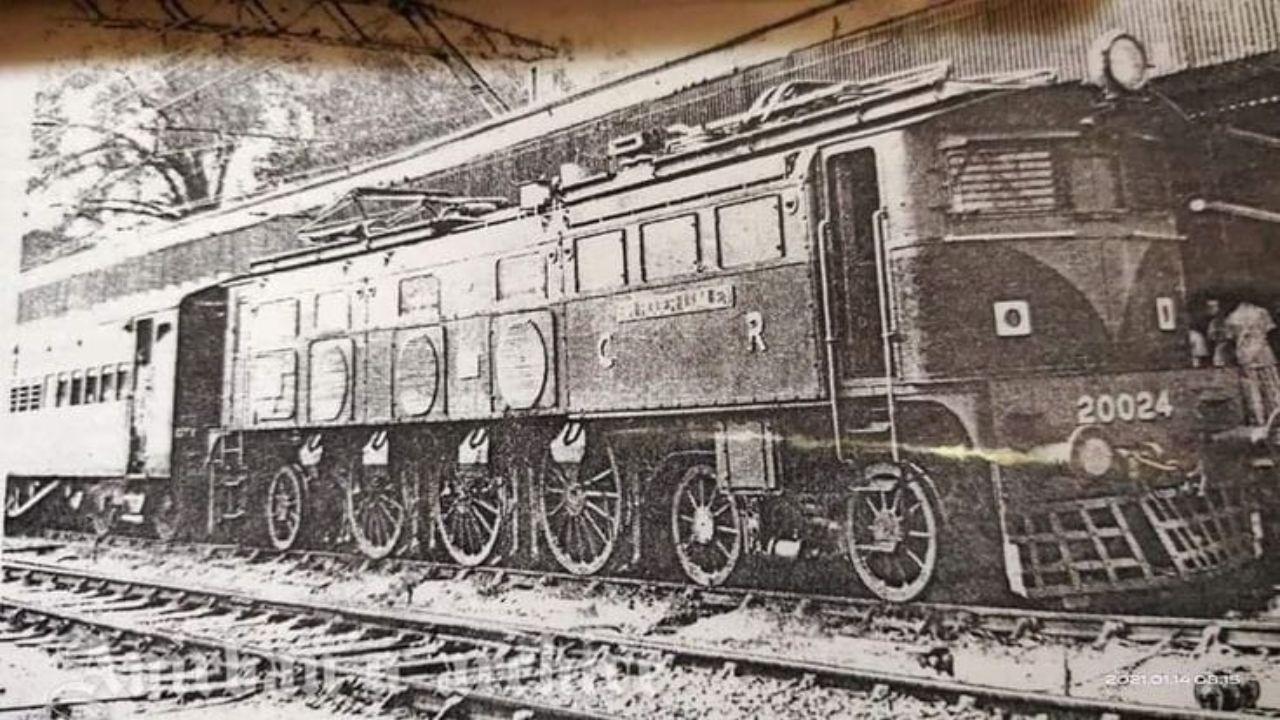
14/24
In the 2000s, electrification gained momentum, focusing on sustainable and eco-friendly railway networks
ADVERTISEMENT
15/24
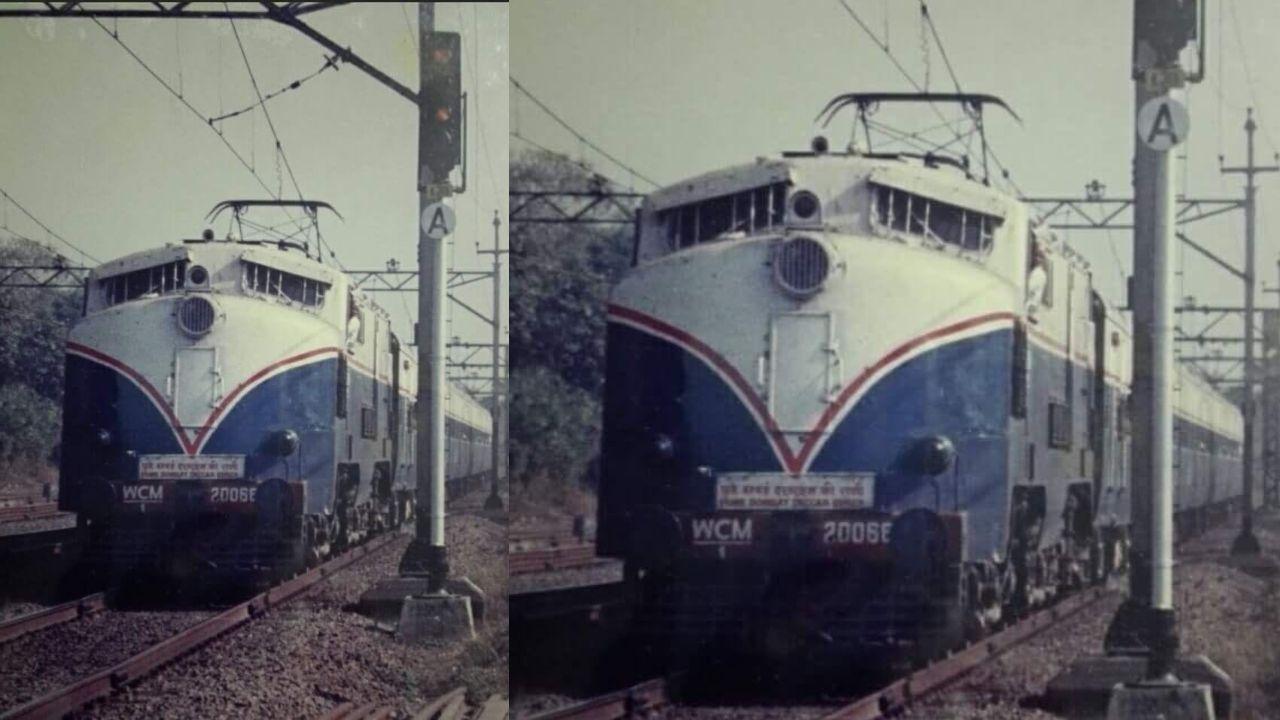
The electrification of the Golden Quadrilateral was completed in the 2010s, ensuring electric connectivity across major cities

16/24
By 2025, Indian Railways aims to achieve 100 percent electrification of its broad-gauge network, making it one of the largest electrified railway systems in the world
ADVERTISEMENT
17/24
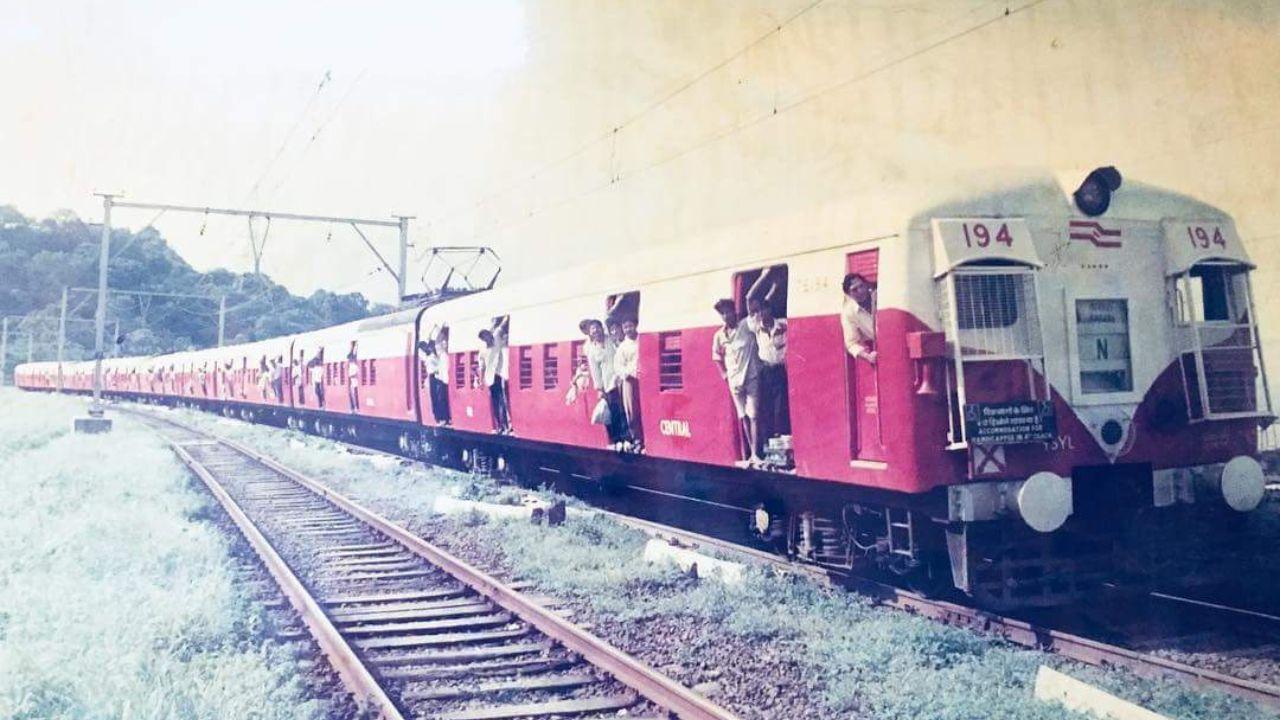
Electrification has enhanced energy efficiency, reducing reliance on fossil fuels and lowering operating costs
18/24
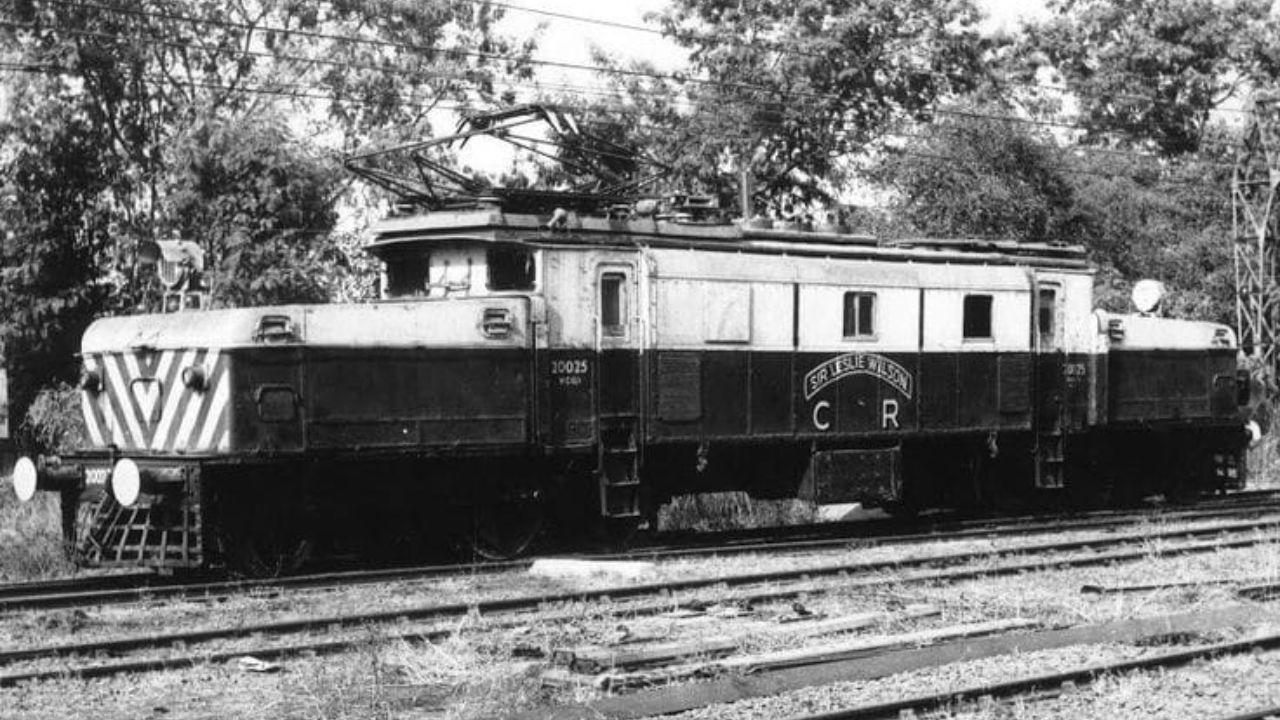
The extension of electrified railway lines into hilly terrains like Jammu & Kashmir and the Northeast has improved connectivity
ADVERTISEMENT
19/24
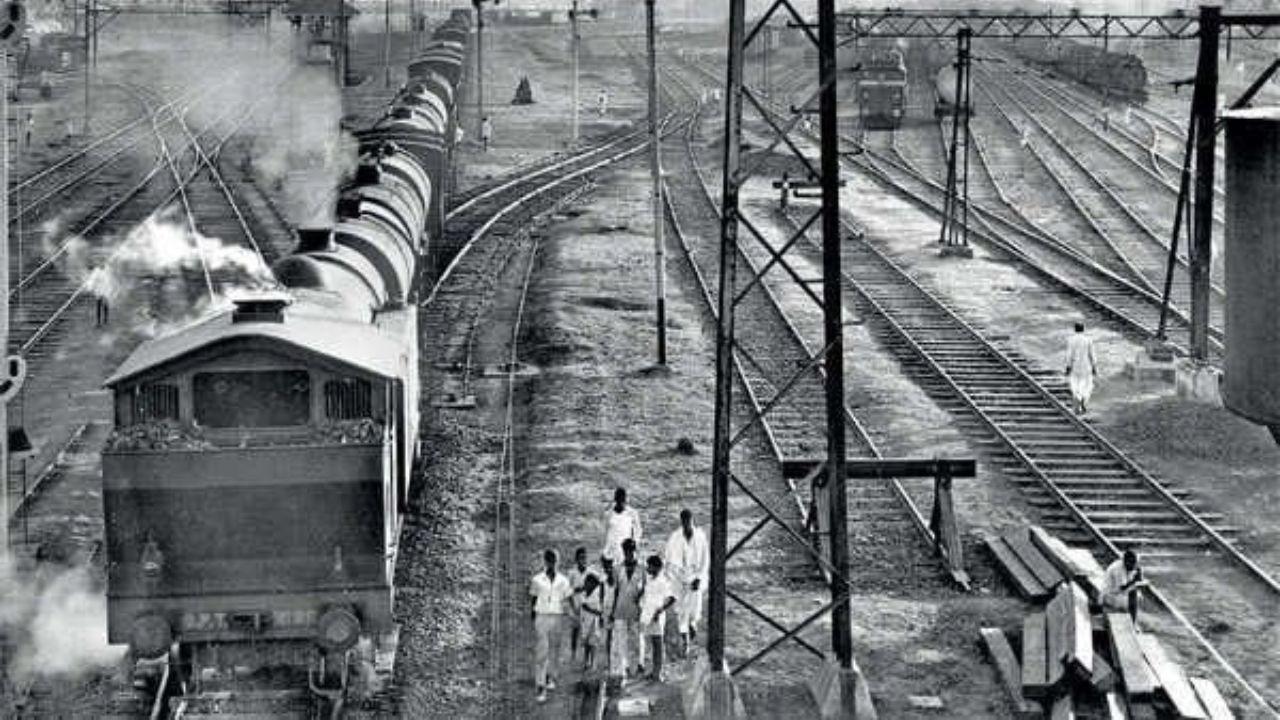
Semi-high-speed trains like Vande Bharat Express operate entirely on electric traction, improving travel speed and efficiency
20/24
Indian Railways is integrating renewable energy sources, such as solar and wind power, to further reduce its carbon footprint
ADVERTISEMENT
21/24
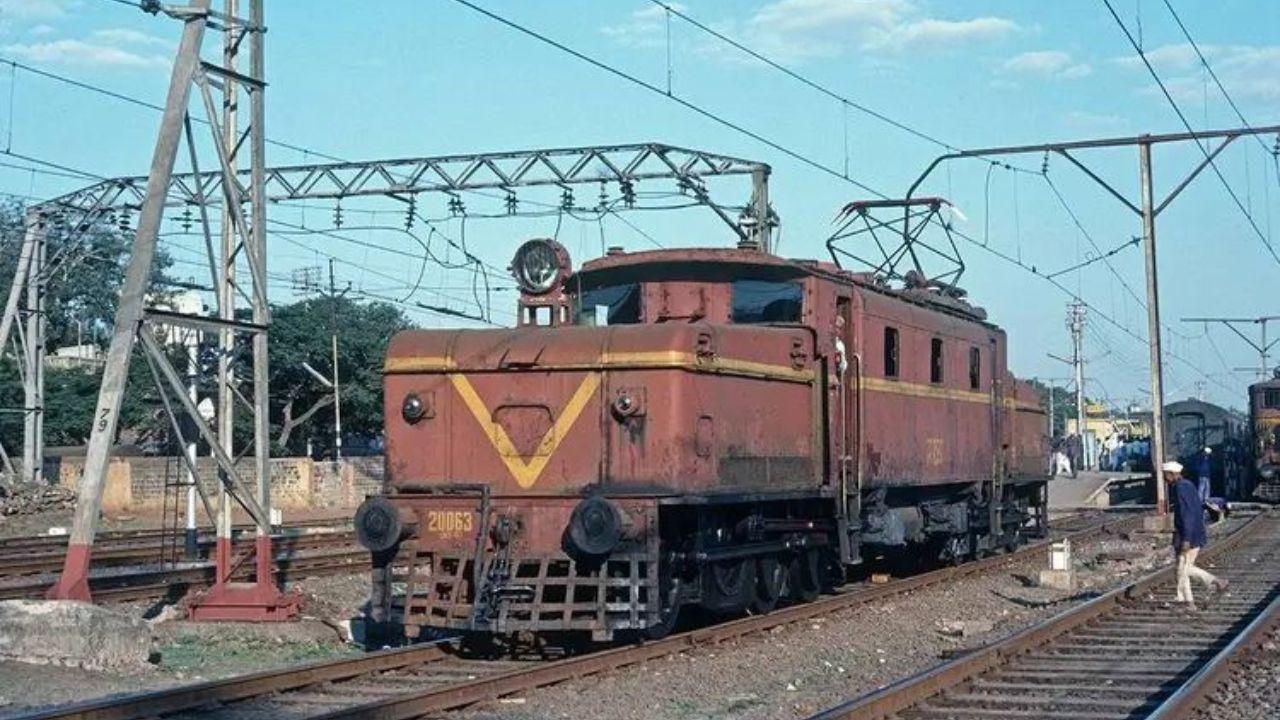
The shift to electric traction has significantly reduced diesel dependence, saving millions of liters of fuel annually
22/24
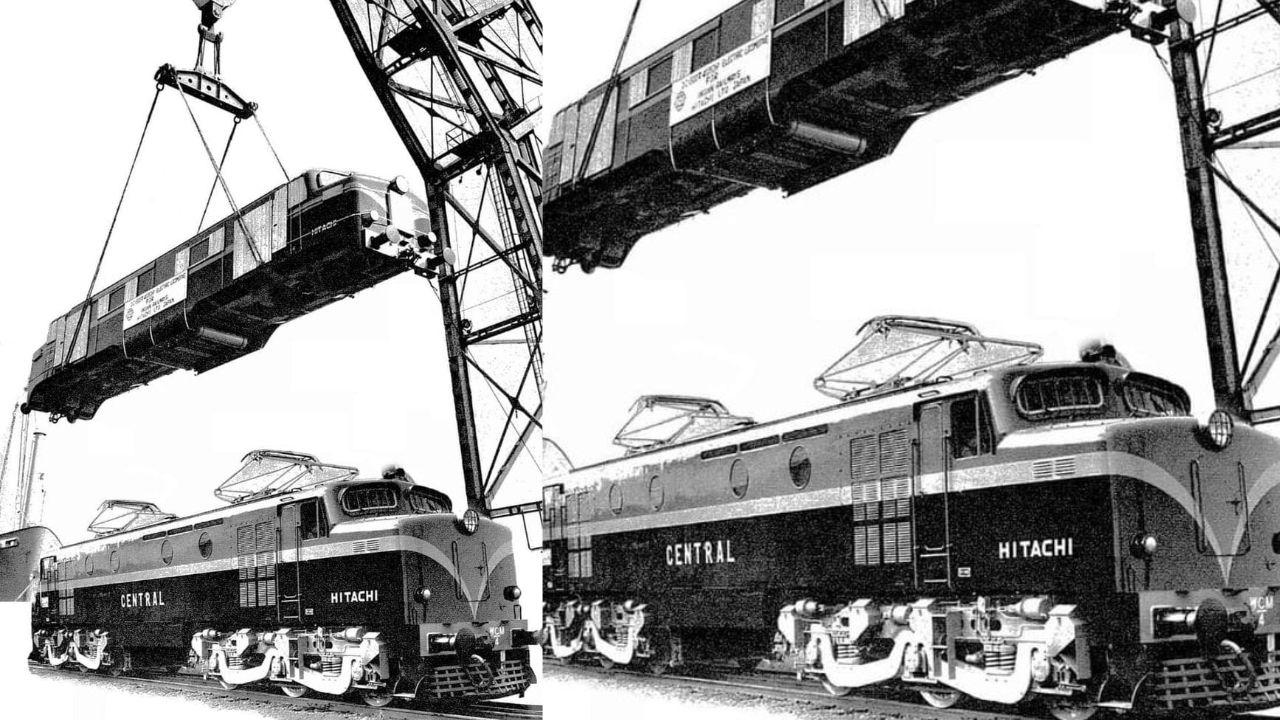
Electrification has led to a major reduction in carbon emissions, contributing to cleaner and greener transportation
ADVERTISEMENT
23/24
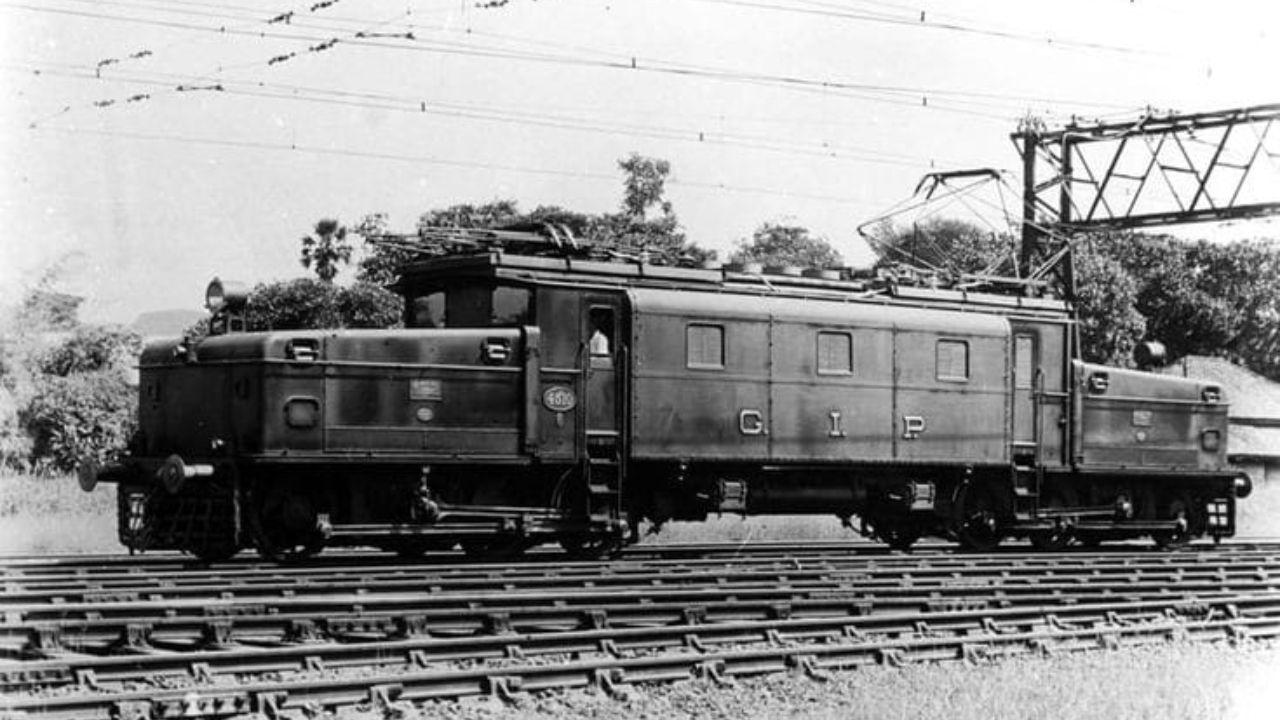
Reduced diesel consumption has helped save foreign exchange, as India imports less crude oil. Electric trains are faster, more efficient, and require less maintenance, leading to improved railway operations and punctuality
24/24
With a commitment to sustainable and modern railway networks, India’s rail electrification sets the foundation for future high-speed rail projects and green transport solutions
ADVERTISEMENT
ADVERTISEMENT
Photo of Day
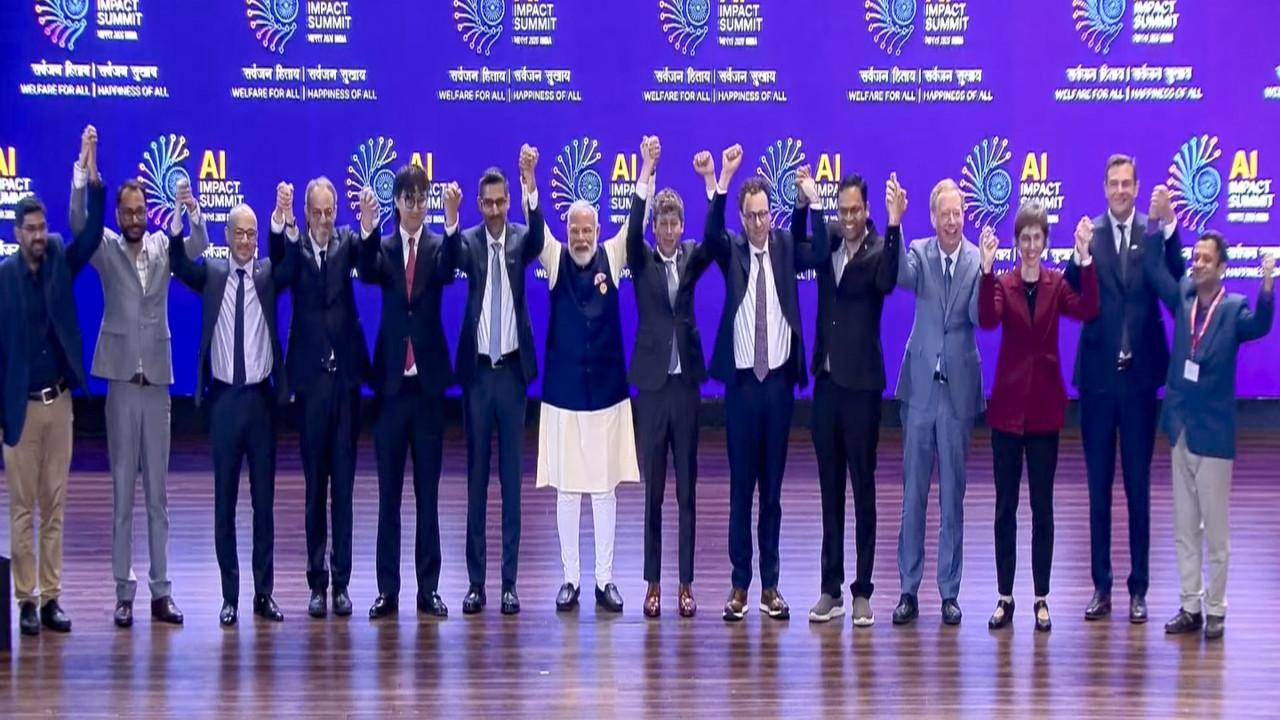
Global AI leaders join PM Modi in a bid to push for a smarter, inclusive future
PM Narendra Modi joins hands with Google CEO Sundar Pichai, OpenAI CEO Sam Altman, and others during the India AI Impact Summit 2026, in New Delhi. PIC/PTI
ADVERTISEMENT