Home / Mumbai / Mumbai News / Photos /
In Photos | Ganeshotsav 2026: Inside Mumbai's first public Ganpati at Keshavji Naik Chawl
Updated On: 11 September, 2026 11:52 AM IST | ronak mastakar
At a time when Ganesh mandals are competing for extravagant themes, bigger idols, colourful decor and more publicity, Mumbai's first Ganpati sits in one quiet corner of the Keshavji Naik Chawl in Girgaon. (Pics/Instagram@Shree Sarvajanik Ganeshutsav Sanstha)





 01

Mumbai's first Ganpati sits in one quiet corner of the Keshavji Naik Chawl in Girgaon. (Pic/Instagram@Shree Sarvajanik Ganeshutsav Sanstha)
02
At Keshavji Naik Chawl on Khadilkar Road, the Shree Sarvajanik Ganeshotsav Sanstha is celebrating its 133rd year in 2026, carrying forward a tradition that traces its roots to the birth of Mumbai’s public Ganeshotsav movement in 1893.
03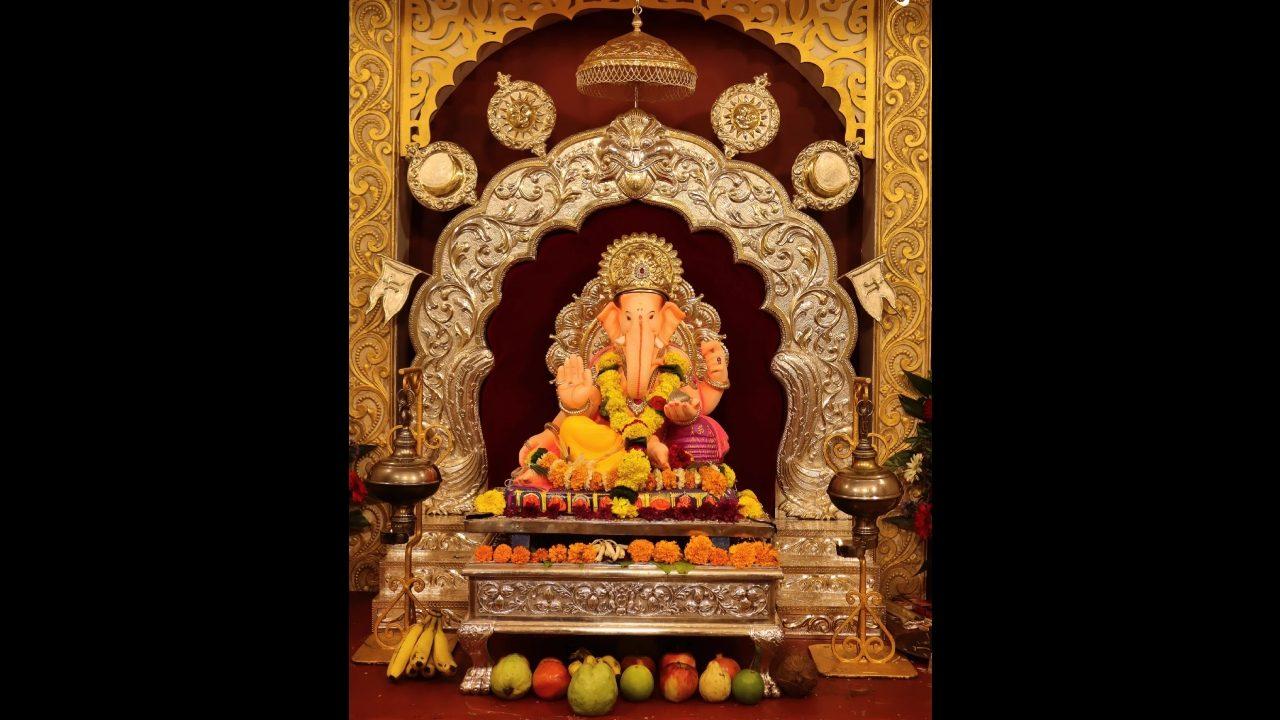
The celebrations are known for their simplicity, with the mandal continuing its traditional festivities without loudspeakers. The approach stands in contrast to the increasingly elaborate celebrations seen across Mumbai, while reflecting the original spirit of community participation associated with the festival.
04
The public Ganeshotsav at Keshavji Naik Chawl is closely associated with Lokmanya Bal Gangadhar Tilak, who popularised the idea of celebrating Ganesh Chaturthi as a public festival in 1893.
05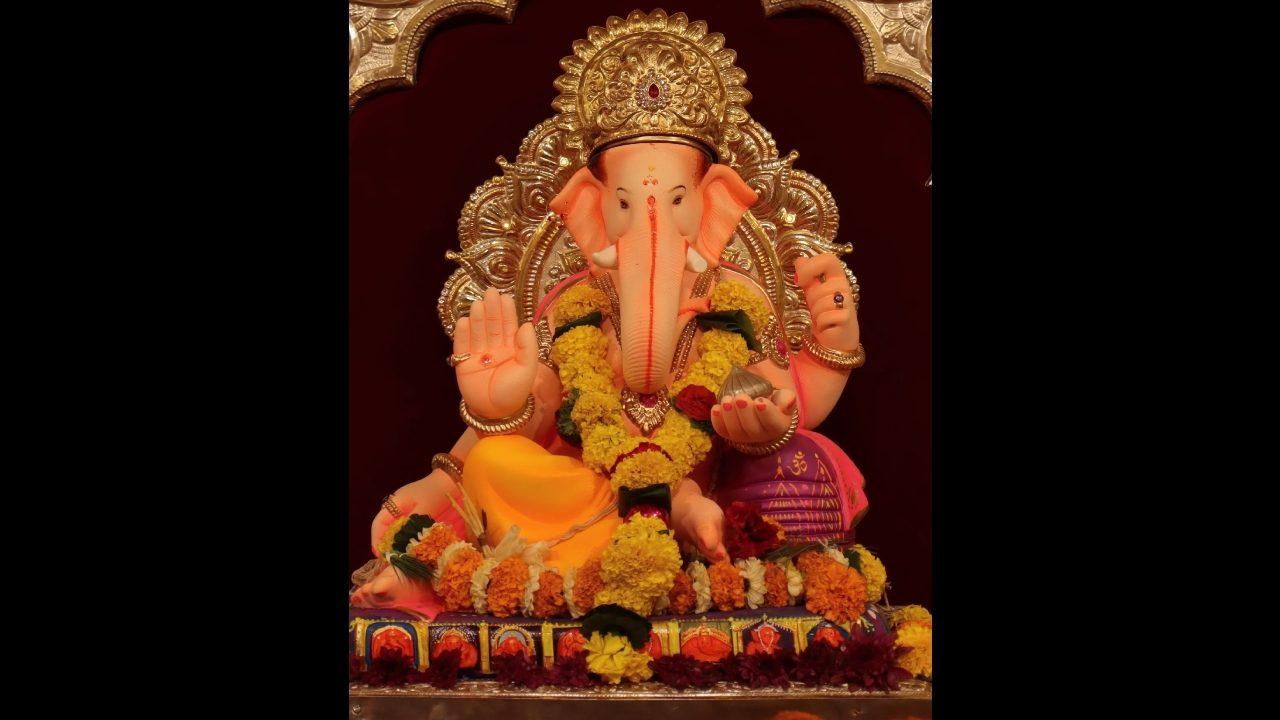
Tilak saw the festival as a means of bringing people together and fostering a sense of unity and collective identity during British rule. Two of his followers who lived at Keshavji Naik Chawl in Girgaon were among the early residents to respond to his call for public celebrations.
06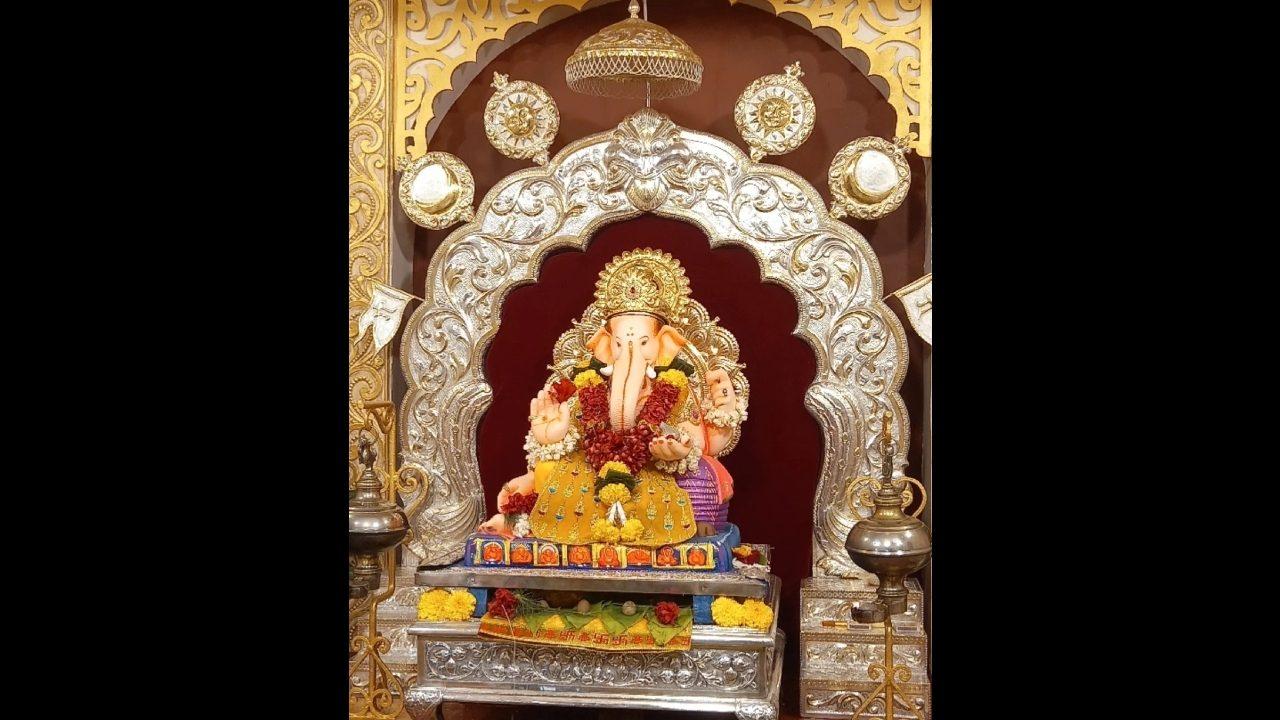
The mandal has since continued the tradition for more than a century, making it one of the city's important links to the origins of sarvajanik Ganeshotsav.
07
According to the mandal, Tilak also visited and was hosted at Keshavji Naik Chawl in 1901, further strengthening its historical connection with the public Ganeshotsav movement.
08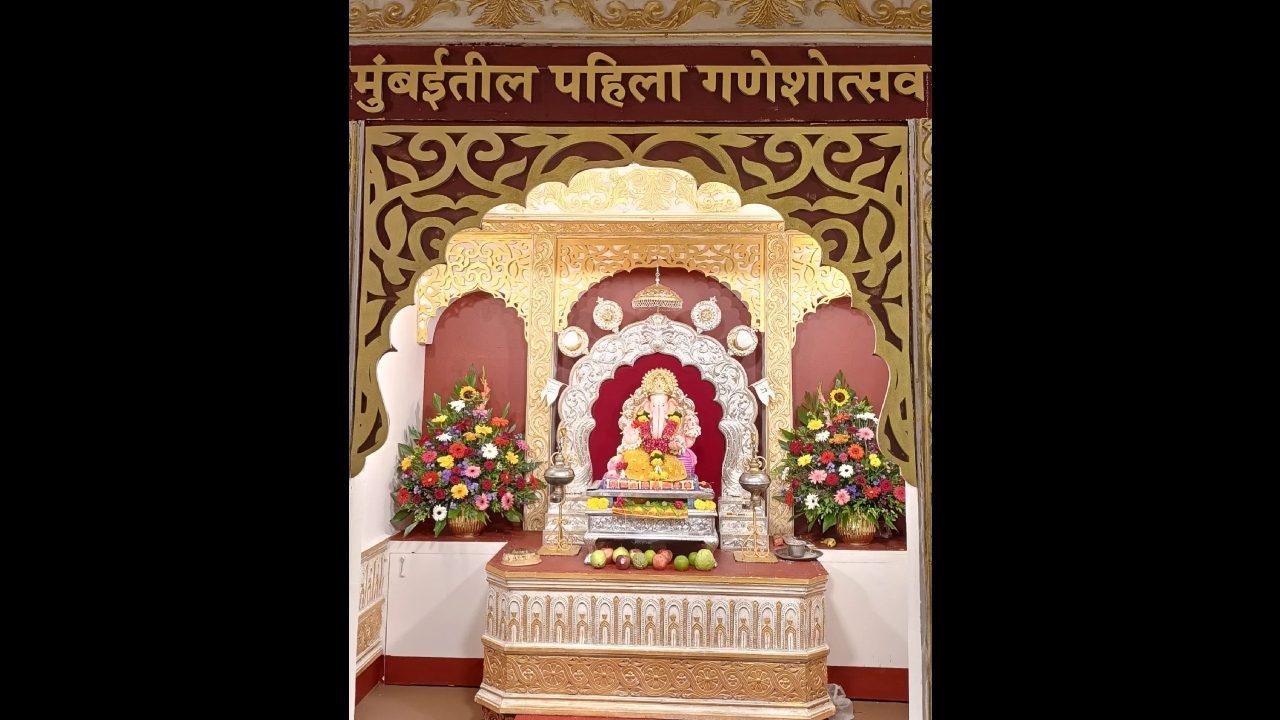
The Sanstha’s website notes that Ganpati was celebrated publicly during the Peshwa era. Following the end of Peshwa rule in 1818, however, Ganeshotsav gradually became largely a family affair in Maharashtra. This continued until 1893, when Tilak revived and popularised public celebrations.
09
Tilak had observed large-scale Ganesh celebrations in the princely states of Baroda and Gwalior, which inspired him to introduce a similar public festival in Maharashtra. The idea was not merely religious; public gatherings offered people an opportunity to come together at a time when political and social mobilisation under British rule faced restrictions.
10
Keshavji Naik Chawl became one of the early centres of this revived public tradition in Mumbai.
11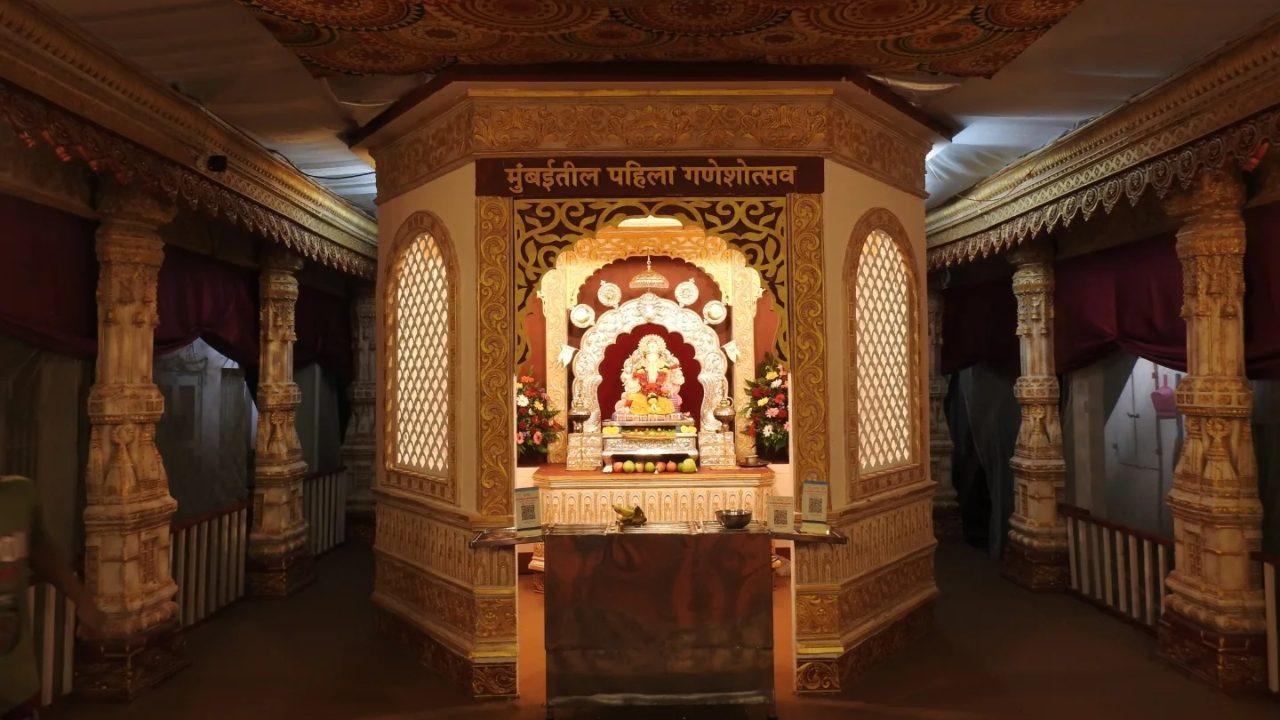
In 2026, the Ganesh mandal continues to maintain a distinctly traditional character. Its pandal is set up in a small open space between two buildings of Keshavji Naik Chawl, reflecting the close-knit nature of the historic neighbourhood. The Ganesh idol, too, has remained modest in scale. It has traditionally been two feet tall, a practice that the mandal has maintained over the years.
12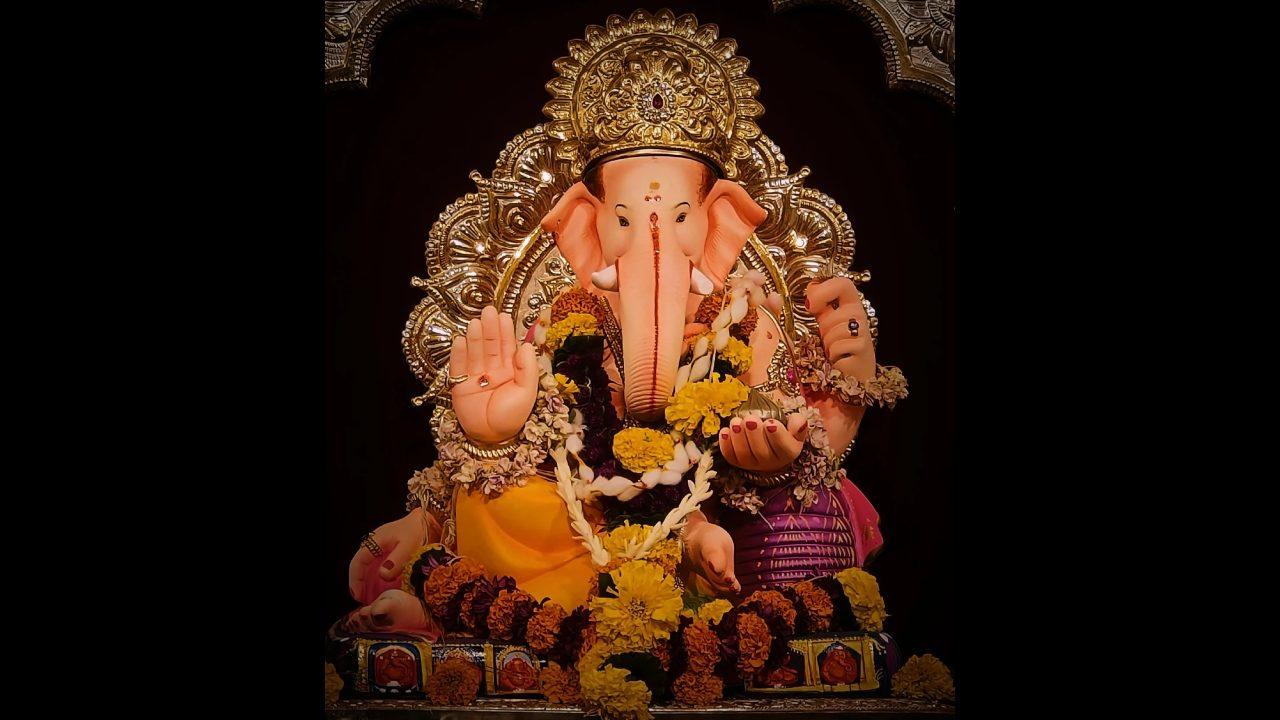
The mandal's celebrations are also known for being eco-friendly, with an emphasis on preserving traditional practices rather than competing through increasingly large installations, sound systems or elaborate displays. More than 130 years after the first public celebrations associated with the mandal, Keshavji Naik Chawl remains a reminder of how Ganeshotsav evolved from a largely household festival into one of Mumbai’s defining public traditions.
Recommended Photos
ADVERTISEMENT
ADVERTISEMENT
Photo of Day

A clear view
An early bird perches on the Lady of Progress statue atop Chhatrapati Shivaji Maharaj Terminus as the monsoon covers come off. Pic/Ashish Raje