Home / News / India News / Article /
Devdutt Pattanaik: Fever from Shiva's rage
Updated On: 24 June, 2018 06:12 AM IST | Mumbai | Devdutt Pattanaik
Those who see mythology as proto-history believe that as Vedic practices waned, and temple-based Agama traditions rose, followers of Vedas became closely associated with Vishnu worshippers



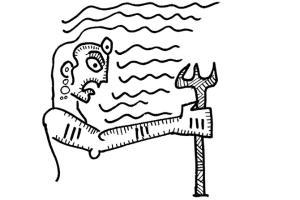
Illustration/Devdutt Pattanaik
 The Vedas, which are over 3,000 years old, refer to a deity called Rudra who is fierce and feared. Is he the Shiva we know today, the hermit who married Parvati, daughter of the Himalayas? We can only speculate in hindsight. The word Shiva is used for the first time only in the Upanishads. And we hear a clear story of Shiva only in the epic Mahabharata, that reached its final written form in Sanskrit only about 2,000 years ago.
In the Shanti Parva, Yudhishtira asks the dying Bhisma, how did fever come into existence? And in response, Yudhishtira tells him the story of Daksha's yagna, and how he, in keeping with Vedic practice, refuses to offer Shiva a share of the sacrifice. This angers Shiva's wife, Uma, daughter of the mountains, who argues that he deserves a share. Shiva's anger then takes the form of fever and attacks Daksha as well as the gods who attend his yagna, even the yagna that tries to escape in the form of a deer. Finally, Shiva is appeased, the yagna is restored, a share offered to Shiva and Shiva distributes his wrath as fever across the universe.
Trending Stories
Latest Photos
Latest Videos
Latest Web Stories
ADVERTISEMENT
Mid-Day Fast
ADVERTISEMENT

ADVERTISEMENT