Home / News / India News / Article /
How the poorest escaped Rs 500, Rs 1,000 note ban
Updated On: 25 November, 2016 11:16 AM IST | | Mukta Patil, Shreya Shah & Swagata Yadavar/ Indiaspend
<p>The poorest labourers, farmers, small business owners and shepherds appear to have been affected less by demonetisation because they either earn too little to save, or survive on what they themselves grow</p>



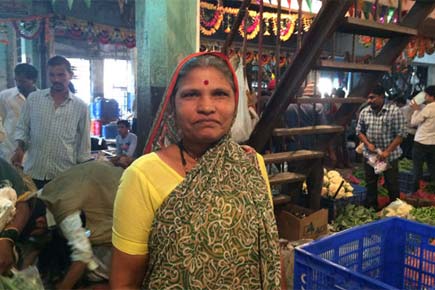

Lakshmi Kadam, 50, a vegetable vendor in Navi Mumbai, made Rs 2,000-Rs 3,000 per day before the note-ban. Her earnings fell by 50% since. She has a bank account, but saves money on a daily basis in a local credit society. “I support the note-ban but what are we, small businesses, supposed to do? These earnings are not enough,” she said
Dressed in a white dhoti or loin cloth, with a bright pink tilak or mark on his forehead, Chandu Kokre shepherded about 60 sheep along national highway 60, 30 km southeast of Mumbai, India’s financial capital. “It doesn’t matter to us,” the thin 28-year-old told IndiaSpend when asked about the Indian government’s delegitimising of Rs 500 and Rs 1,000 notes–86% of currency in circulation by value. “We don’t have bills that exceed Rs 50 and Rs 100,” he explained.
How do you like the new new mid-day.com experience? Share your feedback and help us improve.
Trending Stories
Latest Photos
Latest Videos
Latest Web Stories
ADVERTISEMENT
Mid-Day Fast
ADVERTISEMENT

ADVERTISEMENT