Home / News / India News / Article /
The march of Yudhishthira's horse
Updated On: 02 December, 2018 06:18 AM IST | Mumbai | Devdutt Pattanaik
This is not just a conquest by a victorious king, but also an attempt to reconcile with former enemies



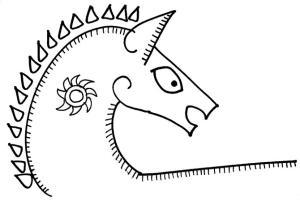
Illustration/Devdutt Pattanaik
 In popular retellings, the Mahabharata ends tragically with vast bloodshed on the battlefield of Kurukshetra, where the Kauravas are defeated by the Pandavas. Following this episode, there is the Ashwamedha Parva. It describes how Yudhishthira becomes king and lets loose his royal horse across the land, followed by armies led by Arjun, who establishes Pandava rule in all the lands of Bharatvarsha or India. This is not just a conquest by a victorious king, but also an attempt to reconcile with former enemies.
In medieval times, when the Sanskrit epic was being translated into regional languages, kings, especially from Karnataka, Assam, Manipur and Bengal, preferred stories from the Ashwamedha Parva. Vyasa's student, Jaimini, we are told, wrote the earliest retelling of this Parva in Sanskrit, but his version is rather different from Vyasa's retelling.
How do you like the new new mid-day.com experience? Share your feedback and help us improve.
Trending Stories
Latest Photos
Latest Videos
Latest Web Stories
ADVERTISEMENT
Mid-Day Fast
ADVERTISEMENT

ADVERTISEMENT