In a post on social media platform X, the company said LPG availability is being prioritised for households as well as essential non-domestic sectors such as hospitals and educational institutions. Requests from other non-domestic sectors will be examined by a committee

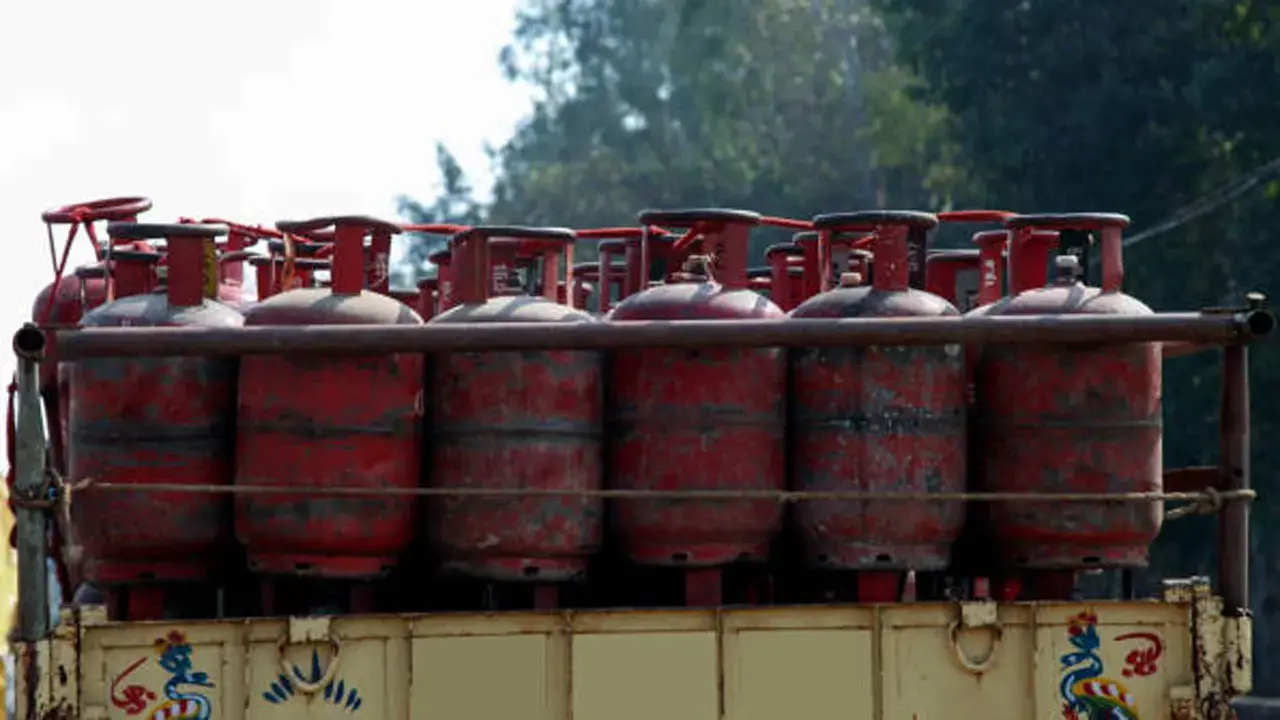
LPG availability is being prioritised for households as well as essential non-domestic sectors, said Indian Oil Corporation. Representational pic
State-run Indian Oil Corporation has said steps are being taken to enhance liquefied petroleum gas (LPG) production and prioritise supplies for domestic consumers and essential sectors in view of global fuel supply disruptions caused by ongoing geopolitical tensions.
In a post on social media platform X, the company said LPG availability is being prioritised for households as well as essential non-domestic sectors such as hospitals and educational institutions.
“In light of current geopolitical disruptions affecting global fuel supply, steps have been taken to enhance LPG production and prioritise its availability for domestic consumers and essential non-domestic sectors such as hospitals and educational institutions,” the company said.
In light of current geopolitical disruptions affecting global fuel supply, steps have been taken to enhance LPG production and prioritise its availability for domestic consumers and essential non-domestic sectors such as hospitals and educational institutions.
— Indian Oil Corp Ltd (@IndianOilcl) March 10, 2026
Requests from other… pic.twitter.com/tvAftzauu4
Requests from other non-domestic sectors will be examined by a committee of executive directors from oil marketing companies and prioritised based on merit, necessity and product availability, the company added.

India’s three public sector oil marketing companies — Indian Oil Corporation, Bharat Petroleum Corporation Limited and Hindustan Petroleum Corporation Limited — jointly handle the distribution of LPG across the country.
The development comes as the Centre has invoked the Essential Commodities Act to ensure uninterrupted supply of domestic cooking gas after reports of a shortage of commercial LPG cylinders from sectors such as hotels and restaurants.
West Asia conflict: Refineries asked to maximise LPG production
Under the move, refineries and petrochemical units have been directed to maximise LPG production and divert key hydrocarbon streams to the LPG pool to boost availability and stabilise supplies for household consumption.
The government has also issued the Natural Gas (Supply Regulation) Order 2026 to regulate production and sector-wise allocation of natural gas, including liquefied natural gas (LNG) and re-gasified LNG, with priority being given to critical sectors.
These sectors include domestic piped natural gas (PNG) supply, compressed natural gas (CNG) for transport, LPG production, pipeline compressor fuel requirements, fertiliser plants, tea industries and other key industrial consumers.
Implementation of the regulation has been entrusted to GAIL (India) Limited in coordination with the Petroleum Planning and Analysis Cell (PPAC), which will oversee adherence to the sector-wise allocation framework.
Meanwhile, the government has increased the minimum waiting period for booking a domestic LPG cylinder refill from 21 days to 25 days to prevent hoarding, amid signs of panic buying linked to fears of supply disruptions due to the escalating conflict in the Middle East.
Officials said there is adequate LPG supply in the country and the extended booking interval has been introduced primarily to manage inventory efficiently.
West Asia conflict: LPG demand rises 15–20 per cent amid panic booking
According to officials, LPG demand had surged by around 15 to 20 per cent in recent days due to panic booking. An average household typically consumes seven to eight LPG cylinders of 14.2 kg in a year and generally does not require a refill in less than six weeks.
A senior official told news agency IANS said that retail prices of petrol and diesel are unlikely to be raised for now, with oil marketing companies expected to absorb the current cost pressures while the government continues to monitor global oil markets closely.
Parliament was also informed that India currently has crude oil and petroleum product storage capacity sufficient for about 74 days, which can help the country manage supply disruptions in case of adverse geopolitical developments.
(With IANS inputs)
Subscribe today by clicking the link and stay updated with the latest news!" Click here!