Israel’s Knesset passed a key budget, allowing Benjamin Netanyahu’s government to avoid early elections and continue its term. The move drew criticism from opposition leaders like Yair Lapid, who slammed the allocation priorities amid ongoing conflicts and rising costs

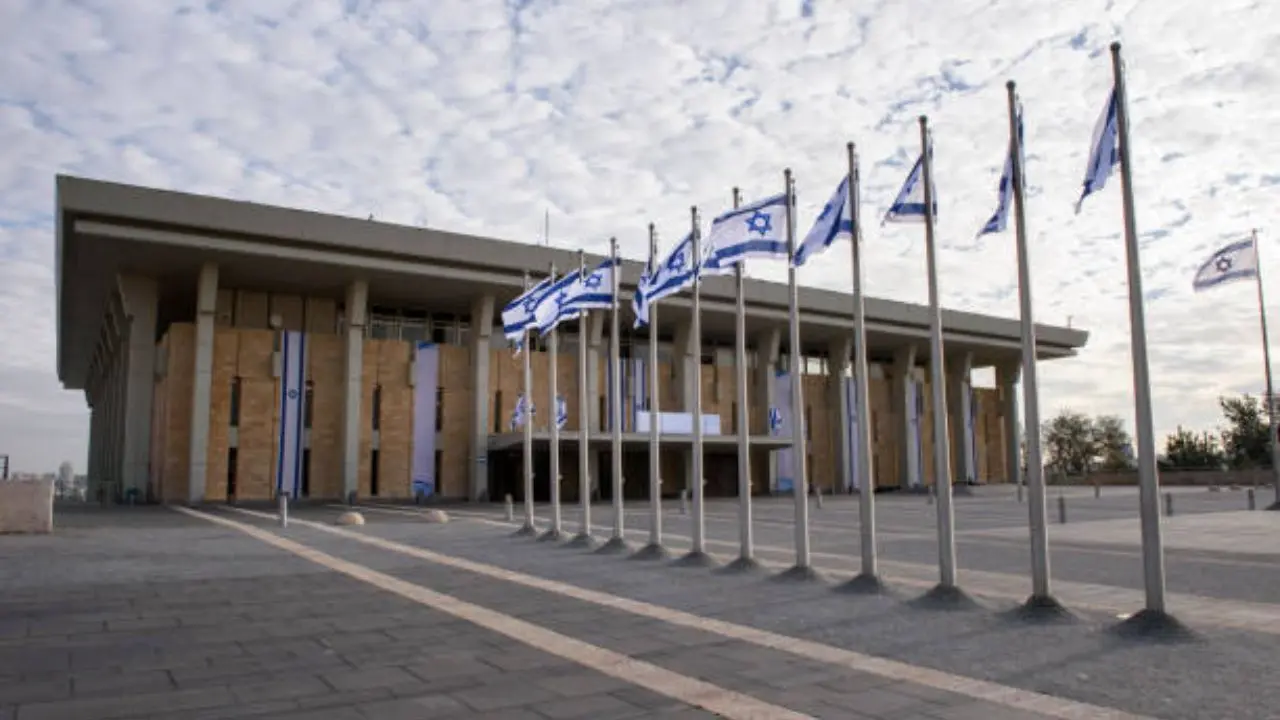
Israel parliament. Pic/Pixabay
Israel's parliament on Monday passed its annual budget in a marathon overnight session, ensuring that Prime Minister Benjamin Netanyahu's government can complete its term until the fall.
Israel needed to pass a budget before April 1 in order to avoid triggering early elections. Netanyahu still reserves the right to call early elections before then if he wants, reported IANS.
Israel's opposition slammed the budget for increasing funding to Israel's ultra-Orthodox communities at a time when the country is facing soaring costs over its war in Iran and is still reeling from a two-year war in Gaza.
Opposition leader Yair Lapid called it "the greatest theft in the state's history."
"The government of gluttony and evasion carried out a nocturnal heist," former Prime Minister Naftali Bennett, who is expected to challenge Netanyahu in upcoming elections, wrote on X.
Israel Budget row deepens over funds for ultra-Orthodox schools
According to IANS, opposition parties were especially furious over a last-minute amendment providing an additional USD 250 million to ultra-Orthodox schools. Anger has increased at the ultra-Orthodox community for its refusal to allow its young men to serve in the military while it is stretched to its breaking point and is in desperate need of additional soldiers. Military service is mandatory for most Jews.
Far-right Finance Minister Bezalel Smotrich praised the budget for "taking care of all Israeli citizens, without exception."
Netanyahu's government is in the final months of its four-year term and is required to hold elections by the end of October. Israeli governments rarely last their full terms, though the budget's passage means Netanyahu, whose popularity has dropped since Hamas' October 7, 2023, attack, is now likely to complete his term.
The budget passed 62-55. Sirens warning of missiles launched from Iran toward Jerusalem interrupted the discussions three times, according to the parliament's spokesperson. The session took place in the building's auditorium, rather than the plenum, because it is located closer to a bomb shelter, reported IANS.
The USD 270 billion budget, Israel's largest ever, included a 20 per cent increase for the Ministry of Defense due to the ongoing war against Iran. The ministry's budget has swollen to USD 45 billion, forcing cuts in other government ministries.
War support high, but Netanyahu faces political pressure
As per IASNS, recent opinion polls in Israel indicate that while Israelis overwhelmingly support the war, Netanyahu and his political coalition don't appear to be benefiting.
Iran continues to fire missiles at Israel each day, disrupting the lives of millions of anxious and exhausted voters. Israel's war with Hezbollah militants in Lebanon also is intensifying, while the disruption of the flow of oil from the Persian Gulf has upended the global economy.
Pushing off elections until the fall could allow Netanyahu to harness momentum from the Iran war once middle-of-the night sirens are a more distant memory for Israelis.
But the election would also fall close to the anniversary of the October 7 attack, the worst in Israel's history, reported IANS.
Israel's military recently extended its wartime guidelines for civilians, which prevent large gatherings and encourage people to stay within a certain distance of bomb shelters, for an additional week.
This means the wartime guidelines will include at least the first part of the weeklong Passover holiday, which starts on Wednesday, reported IANS.
(Inputs from AP)
Subscribe today by clicking the link and stay updated with the latest news!" Click here!