Home / News / World News / Photos /
In Photos: Israeli warplanes pound Tehran and Beirut as the US vows a surge in its strikes on Iran
Updated On: 06 March, 2026 09:52 PM IST | ronak mastakar
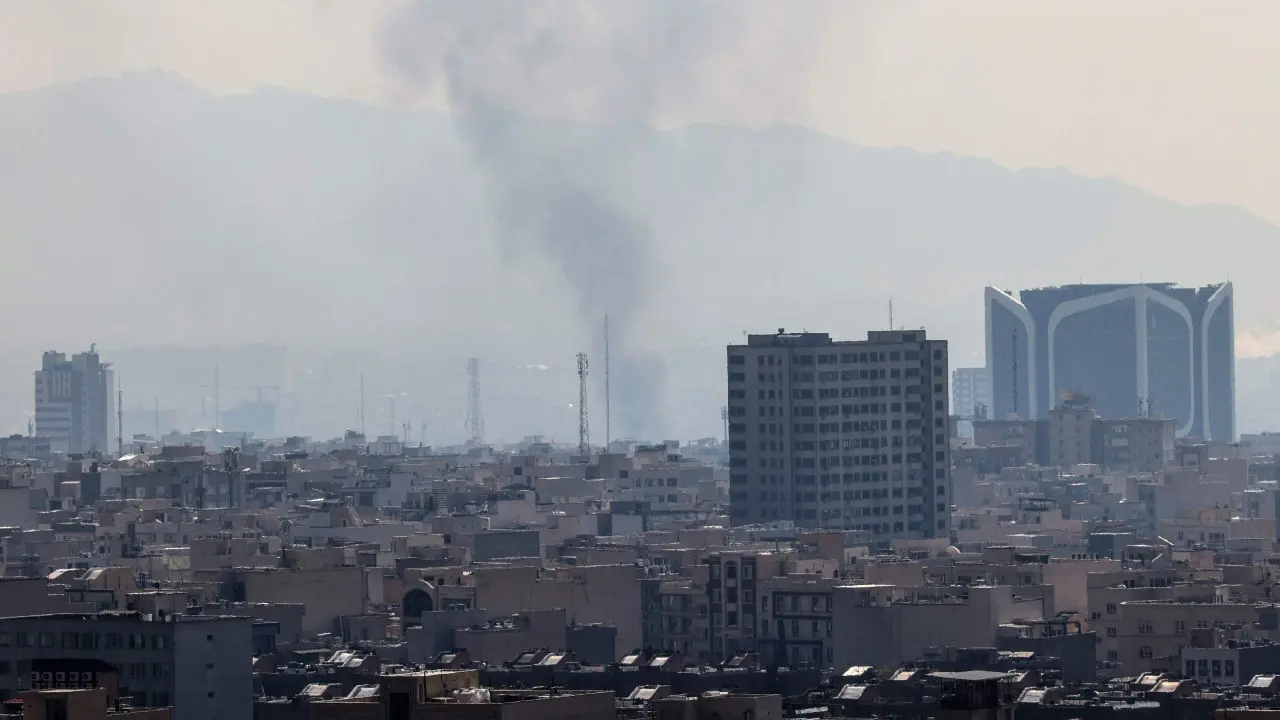
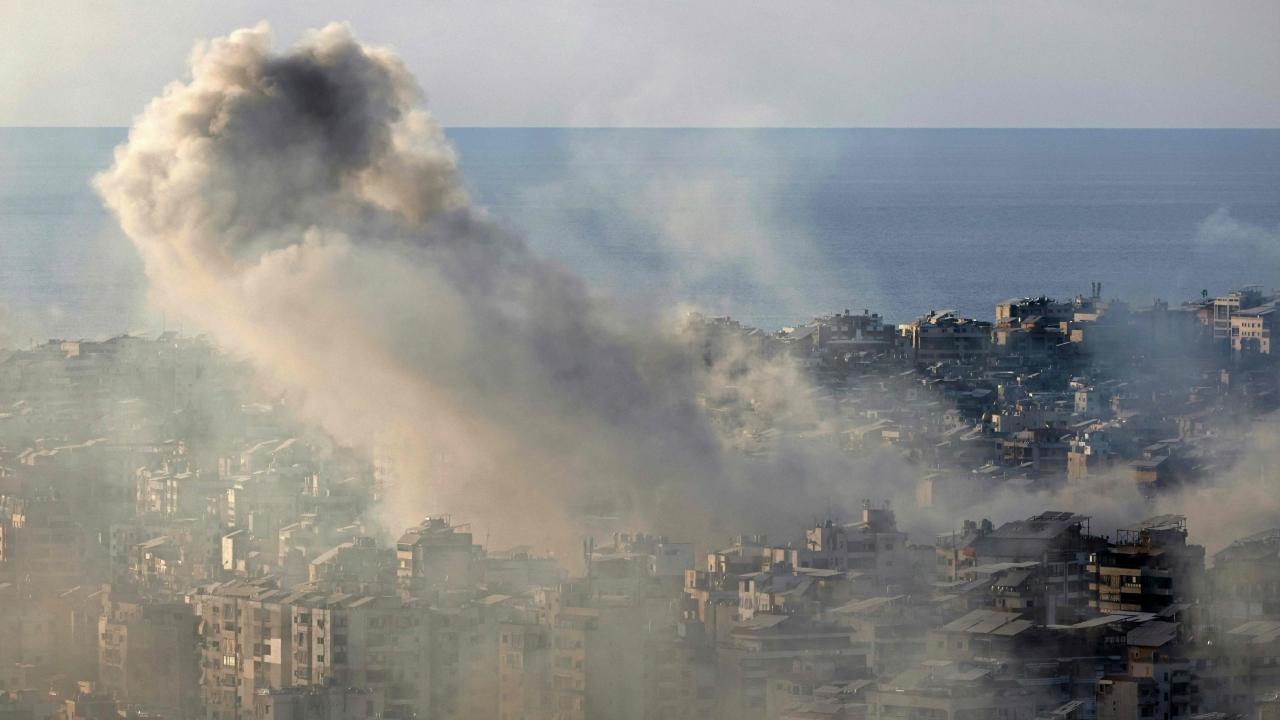
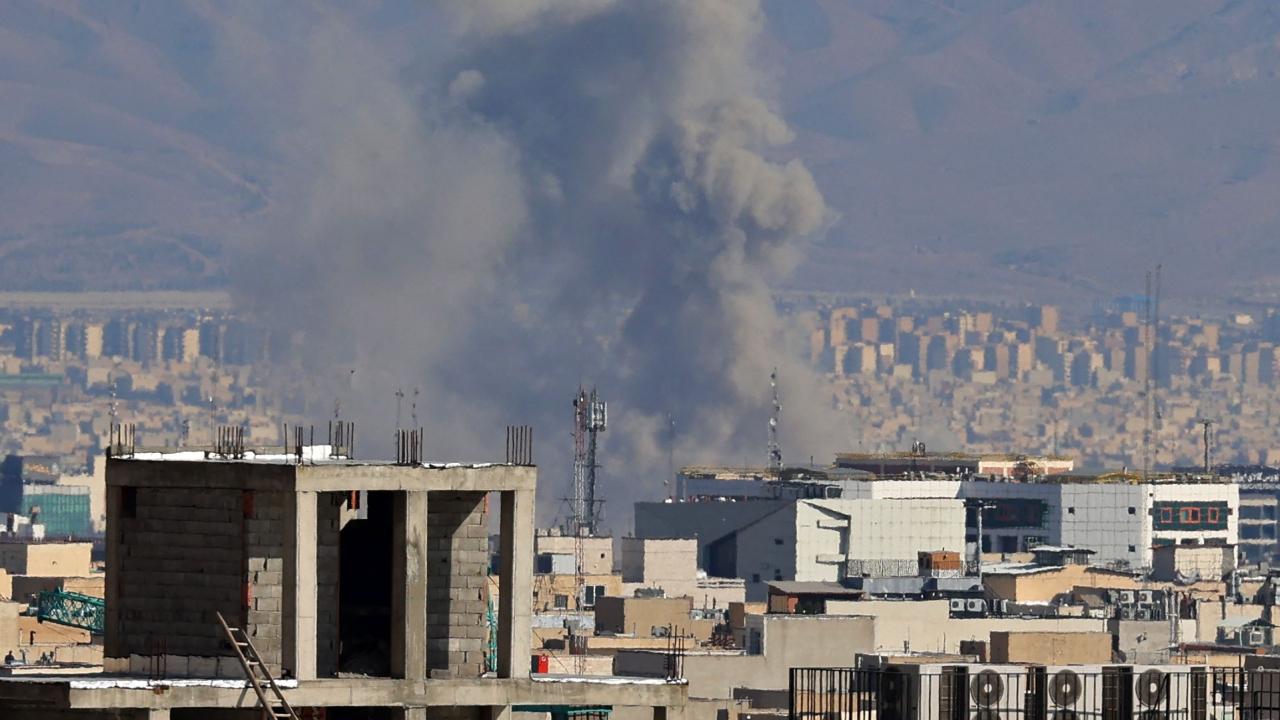
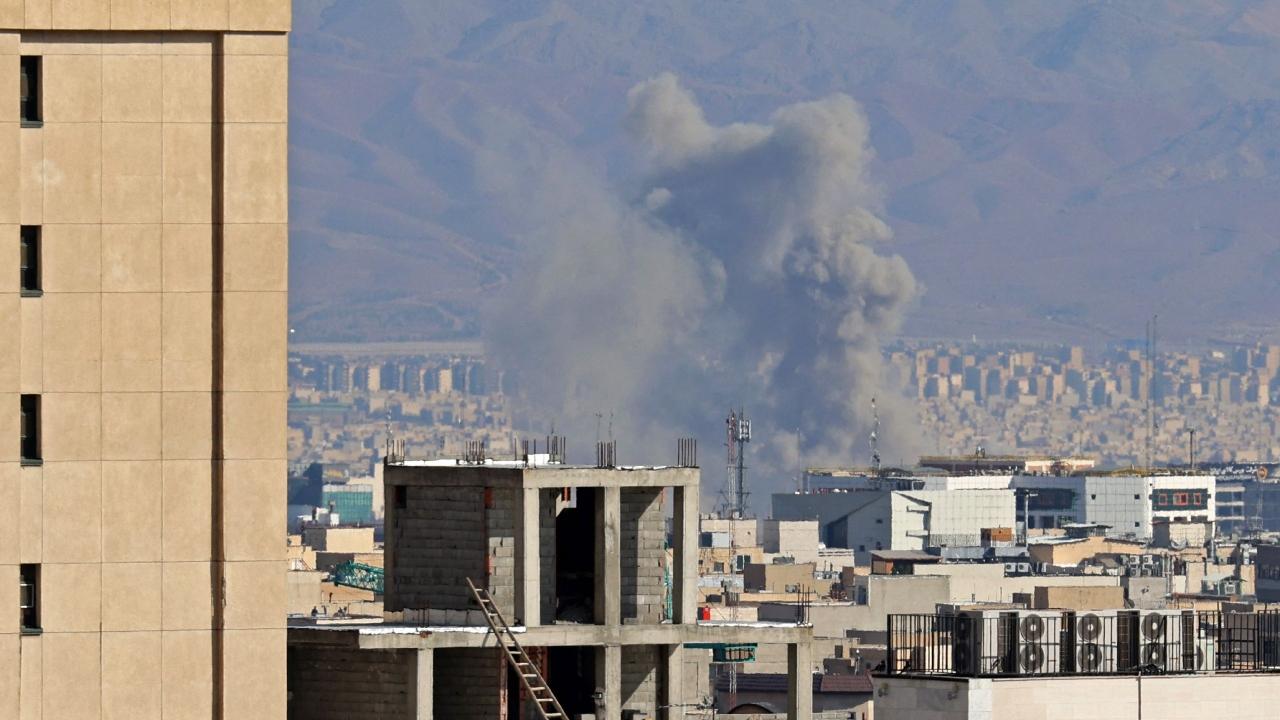
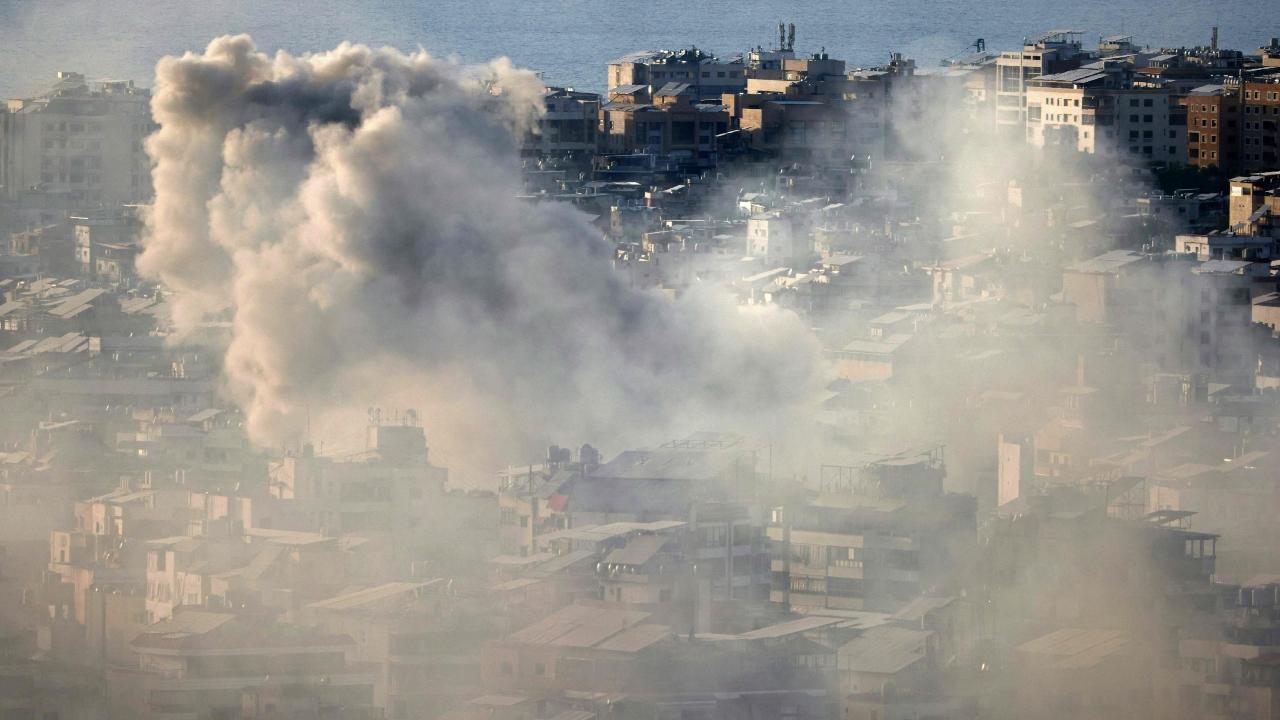
Israeli warplanes pounded Beirut and Tehran on Friday as Iran launched another wave of retaliatory strikes against Israel and Gulf countries. There was no sign of the war letting up on its seventh day, as US President Donald Trump appeared to rule out negotiations with Iran and called for its "unconditional surrender." (Pics/AFP)



1/6
2/6
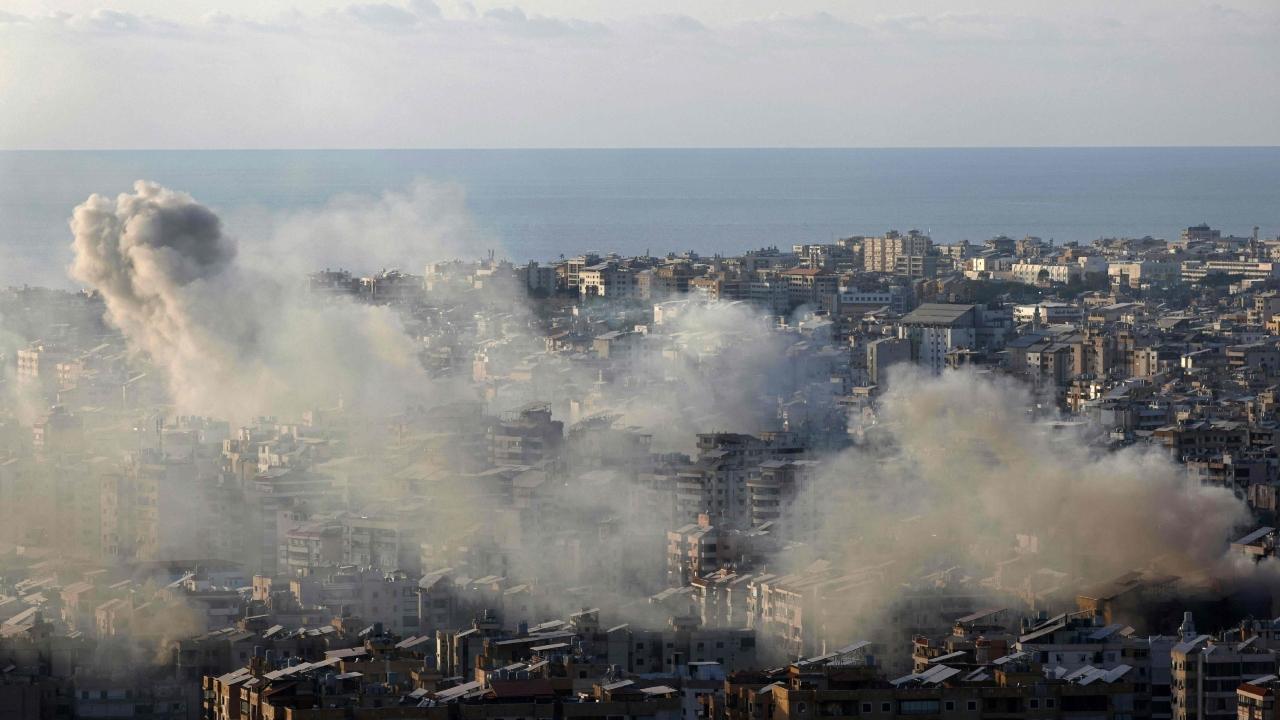
The strikes in Lebanon were the heaviest since a 2024 ceasefire ended the last war between Israel and the Iran-backed Hezbollah, who fired rockets at Israel in the opening days of the latest conflict. Tens of thousands have fled Beirut's suburbs and southern Lebanon after sweeping Israeli evacuation warnings.
ADVERTISEMENT
3/6
The war has escalated to affect more than a dozen countries across the Middle East and beyond. The United States said it had struck an Iranian drone carrier at sea as it waged an unrelenting campaign against the country's navy that earlier included torpedoing of a warship in the Indian Ocean.
4/6
The US and Israel have battered Iran with strikes, targeting their military capabilities, leadership and nuclear program. The stated goals and timelines for the war have repeatedly shifted, as the US has at times suggested it seeks to topple Iran's government or elevate new leadership from within.
ADVERTISEMENT
5/6
In a social media post on Friday, Trump said that after Iran's surrender, "and the selection of a GREAT & ACCEPTABLE Leader(s), we, and many of our wonderful and very brave allies and partners, will work tirelessly to bring Iran back from the brink of destruction, making it economically bigger, better, and stronger than ever before."
6/6
The war has already caused a spike in oil prices, and Qatar's energy minister warned that it could "bring down the economies of the world," predicting a widespread shutdown of Gulf energy exports that could send oil to $150 a barrel. Saad al-Kaabi told the Financial Times newspaper that even if the war ended immediately it could take "weeks to months" to resume normal exports after an Iranian drone strike on Qatar's largest liquefied natural gas plant.
ADVERTISEMENT
ADVERTISEMENT
Photo of Day
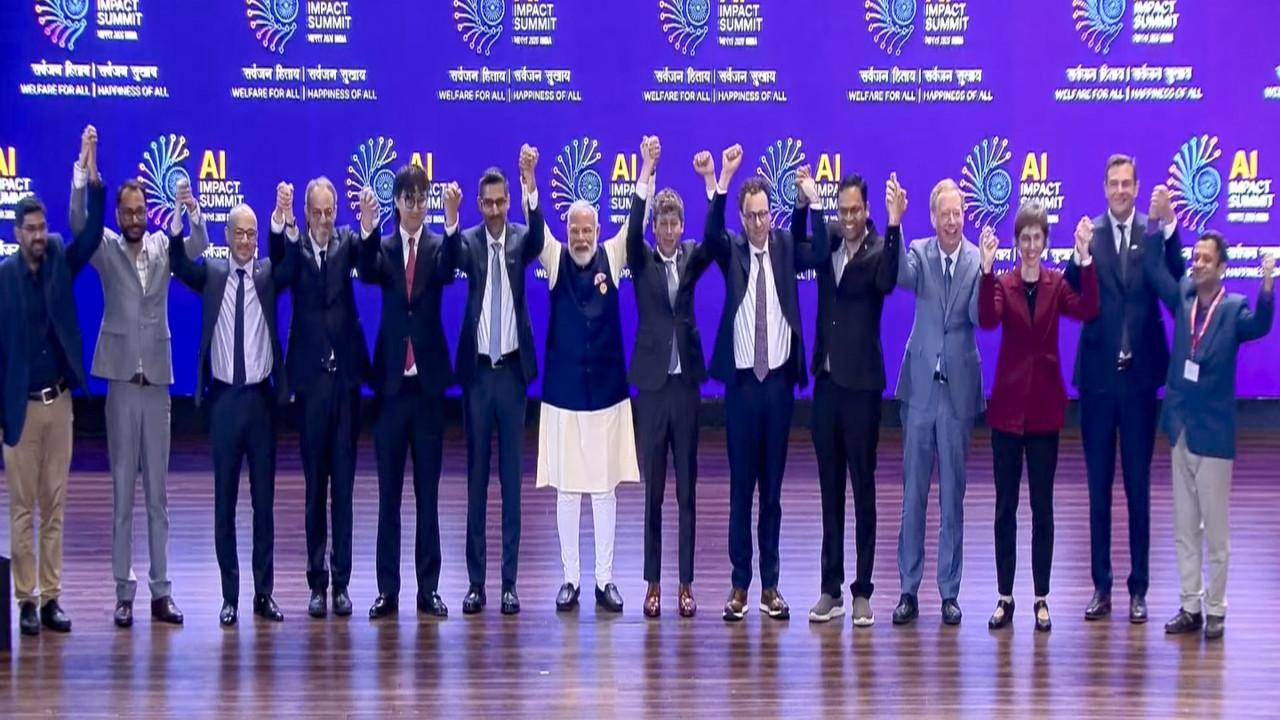
Global AI leaders join PM Modi in a bid to push for a smarter, inclusive future
PM Narendra Modi joins hands with Google CEO Sundar Pichai, OpenAI CEO Sam Altman, and others during the India AI Impact Summit 2026, in New Delhi. PIC/PTI
ADVERTISEMENT