Flu
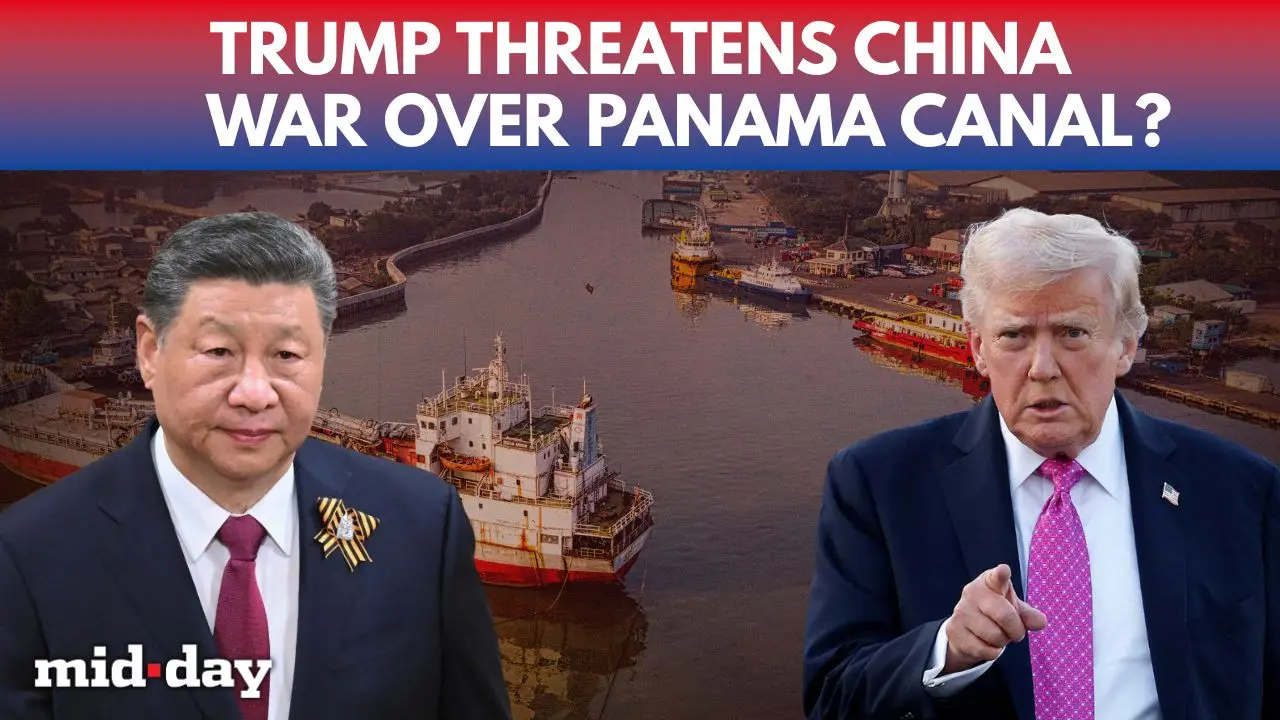
US President Donald Trump has once again put the Panama Canal at the centre of the US-China rivalry, declaring that the United States will not allow China to take over the strategic waterway. Speaking at the opening of the Theodore Roosevelt Presidential Library, Trump criticised the historic decision to transfer control of the canal to Panama, arguing that the United States should never have given it up. He also claimed that Panama sharply increased transit fees after taking control and accused China of seeking greater influence over the canal.
Updated 1 month ago
Content creator and fashion commentator opens up about his Cannes 2026 red carpet experience. He gives a befitting reply to trolls criticising his look and projecting their hate for him. He also opens up about dealing with trolls since childhood and admits taking therapies as he looks forward to focus on his mental health. The actor also admits he has been biased towards celebs he like. He also reflects on Aishwarya Rai and Alia Bhatt getting trolled for the Cannes looks. Sufi also comments on actors who made appearance in culturally rooted outifts gimmicky. He also sheds light on harsh reality of red carpet chaos and bias stating the indystry is not as glamorous as it looks.
Updated 2 months ago
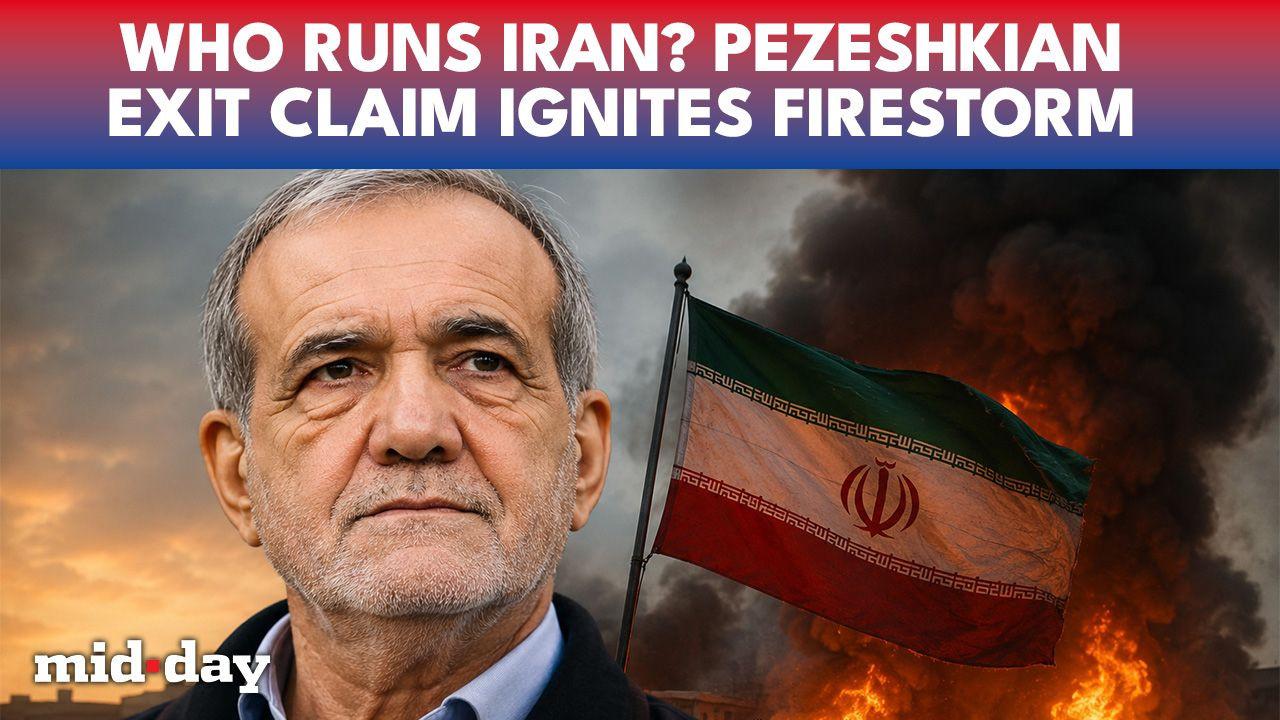
Pezeshkian QUIT Rumors Explode as Iran Denies Resignation Amid IRGC Struggle
Updated 2 months ago
Xi hosts Putin in China after Trump’s visit, warns against “unilateral hegemony”
Updated 3 months ago

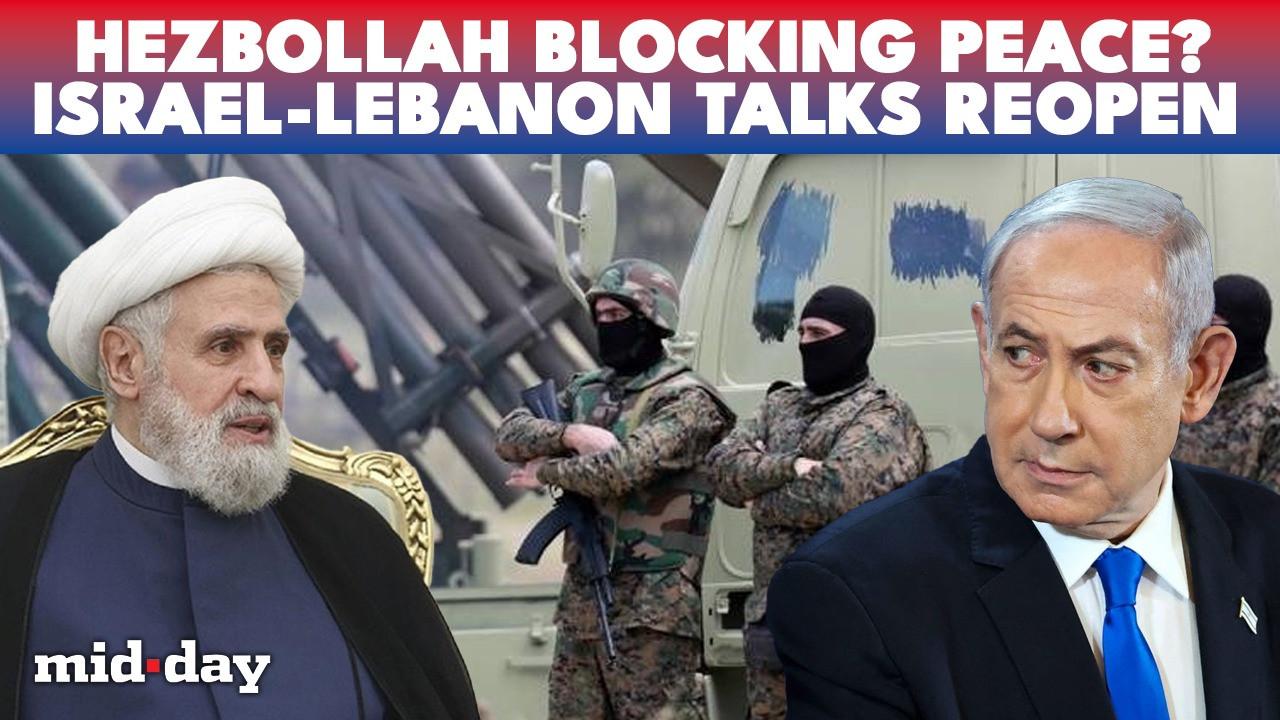
Israel DEMANDS Lebanon Disarm Hezbollah Ahead of Historic US Talks
Updated 4 months ago
Did Trump Lose Control of Netanyahu? Iran Exploits Ceasefire as Accusations Fly
Updated 4 months ago

ADVERTISEMENT
Pakistan CLAIMS Ceasefire Glory, But Did Beijing Pull the Strings in Iran Truce?
Updated 4 months ago

Hegseth Sparks Outrage: ‘Mullahs ’ Slam on Shia Clerics Fuels Evangelical Surge
Updated 5 months ago

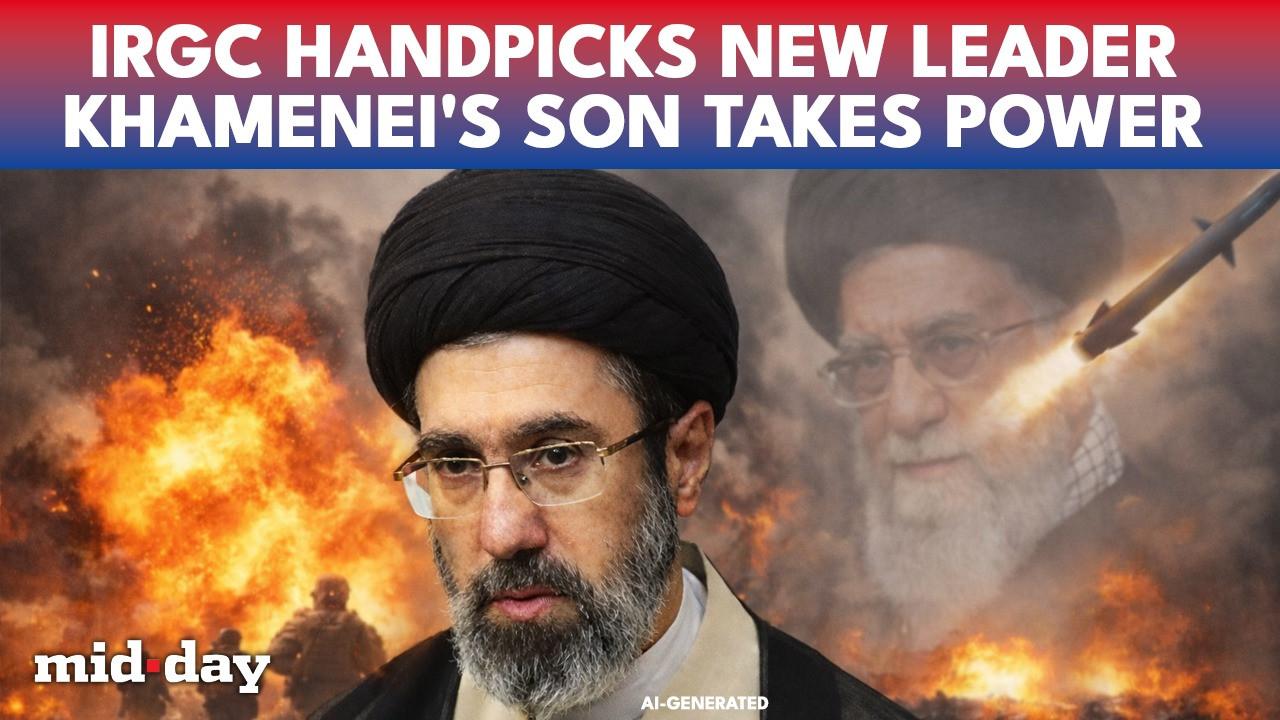
Iran Appoints Mojtaba Khamenei as New Supreme Leader as Tensions Surge
Updated 5 months ago
Did a “Honey Trap” Bring Down El Mencho? Influencer María Julissa Speaks Out
Updated 6 months ago

ADVERTISEMENT