Seam woes linger, but India still tipped to reign supreme in Asia Cup 2025
Updated On: 01 September, 2025 10:51 PM IST | Srijanee Majumdar
India will begin their title defence at the Asia Cup 2025 in the UAE this month, aiming for a record-extending ninth crown. Matches are set to be played across Dubai, Abu Dhabi, and Sharjah, with Suryakumar Yadav leading a revamped Indian squad that reflects both transition and intent (Photos: AFP)




1/6

2/6
Having clinched the T20 World Cup in 2024, India now enters a new era following the retirements of stalwarts Rohit Sharma, Virat Kohli, and Ravindra Jadeja from the shortest format. The reins have since passed to a younger crop of players, guided by head coach Gautam Gambhir and driven by an aggressive, fearless style of cricket
ADVERTISEMENT

3/6
India’s greatest asset lies in its well-balanced unit. Openers Abhishek Sharma and Sanju Samson have offered blistering starts in recent outings, while the middle order boasts depth through Tilak Varma, Hardik Pandya, and Shivam Dube

4/6
The bowling attack is equally potent. Arshdeep Singh and Varun Chakaravarthy have shown their mettle under pressure, with Kuldeep Yadav’s spin and the all-round capabilities of Axar Patel and Pandya offering further options
ADVERTISEMENT

5/6
Despite their depth, the side hasn’t played a T20I since February 2025, with a series against Bangladesh rescheduled to 2026. In addition, the pace department lacks experience beyond Jasprit Bumrah and Arshdeep. Newcomer Harshit Rana remains untested at this level and has had an expensive IPL season

6/6
With high expectations and a legacy to uphold, the youthful Indian side faces both opportunity and pressure. A successful campaign will not only reinforce their supremacy in Asia but also set the tone for the 2026 T20 World Cup
ADVERTISEMENT
ADVERTISEMENT
Photo of Day
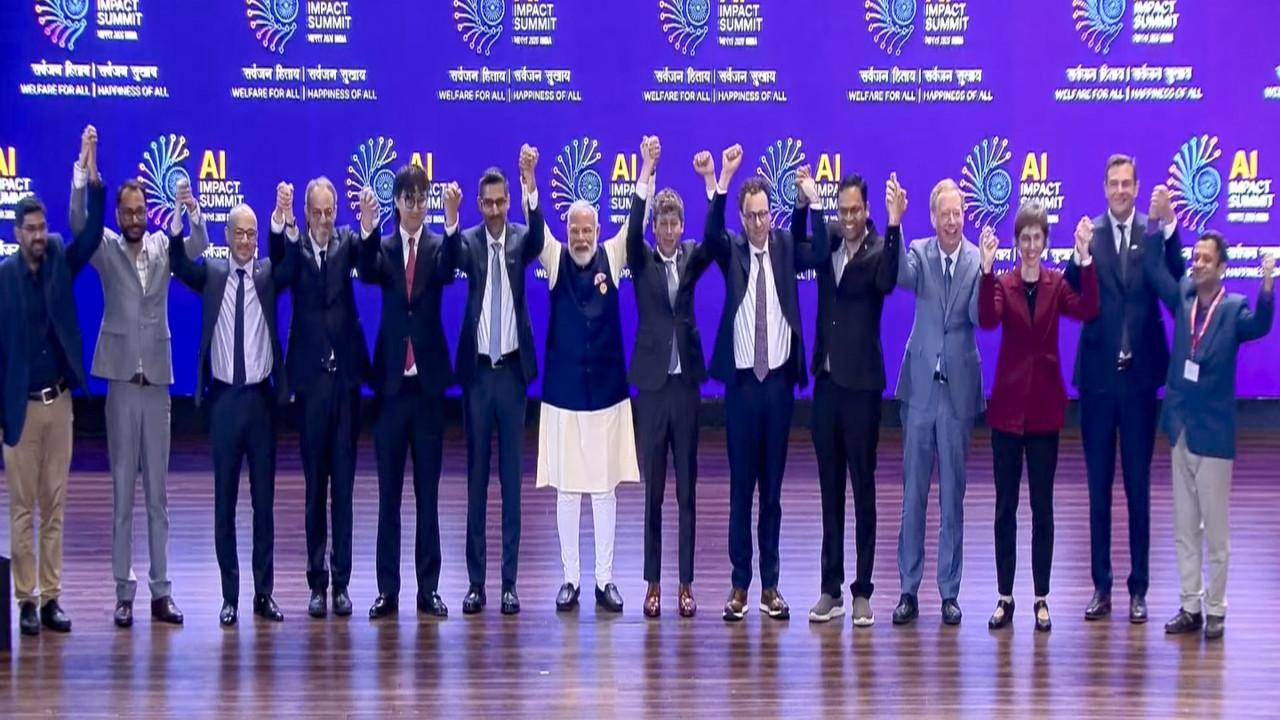
Global AI leaders join PM Modi in a bid to push for a smarter, inclusive future
PM Narendra Modi joins hands with Google CEO Sundar Pichai, OpenAI CEO Sam Altman, and others during the India AI Impact Summit 2026, in New Delhi. PIC/PTI
ADVERTISEMENT