shot-button
Home > Sunday Mid Day News > How this new supper club celebrates Sindhi flavours in Mumbai

How this new supper club celebrates Sindhi flavours in Mumbai

Updated on: 15 March,2026 10:39 AM IST  |  Mumbai
Nasrin Modak Siddiqi | smdmail@mid-day.com

This tapas-style dining experience in Bandra, held just before Cheti Chand, reimagined an immersive Sindhi table


How this new supper club celebrates Sindhi flavours in Mumbai

File pic

Listen to this article
How this new supper club celebrates Sindhi flavours in Mumbai
x
00:00

For many of us, the flavours of home are often overlooked, until someone draws attention to it. Just like it was for Gaurav Dabrai, co-founder of the food and drink strategy platform Eateratti. It took a reminder closer to home to appreciate what the homecooked flavours signify, when younger cousins, Punya Raheja and her father Vijay, began building Spicy Sindhi, a home kitchen rooted in heirloom Sindhi recipes, featuring Shikarpuri-style food. It prompted what he describes as a quiet ‘wake up and smell the Sunday curry’ moment.

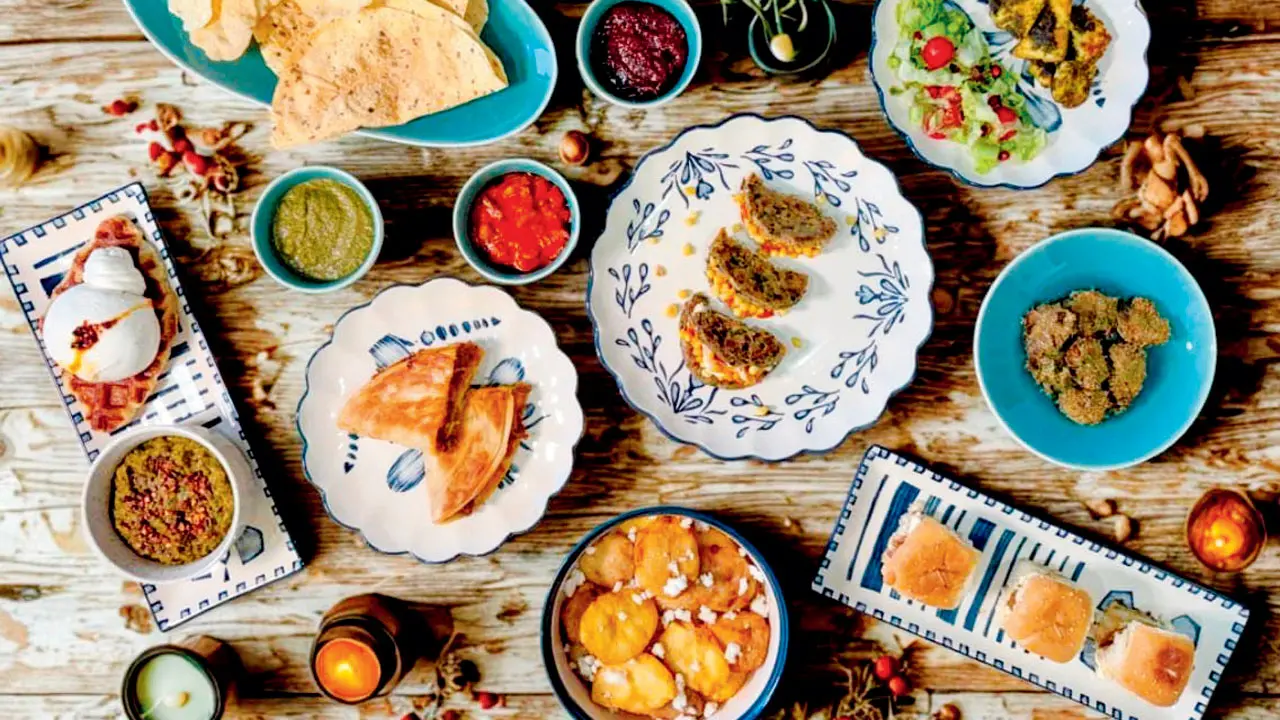
Together with co-founder Bansri Shah, Dabrai develops experience-led concepts that explores how familiar cuisines can be presented in new ways. That’s how the idea of the Suttho Supper was born. Held at The Vintage Garden in Bandra last night, the supper club unfolded as a tasting-style meal, with dishes arriving course by course instead of a traditional thali or family-style spread. The format leaned towards small plates that drew on Sindhi flavours but presented them in unexpected forms. “Through the Suttho Supper, the idea was not just to revisit familiar flavours, but to reintroduce them in a format that felt relevant and immersive,” said Dabrai.


Sindhi mutton quesadilla; (right) Aloo Tuk with truffle and fetaSindhi mutton quesadilla; (right) Aloo Tuk with truffle and feta


For Raheja, the collaboration also stemmed from a sense that many Sindhis in Mumbai have grown somewhat detached from their own culinary traditions. “We have no hometown to go back to,” she tells us, adding, “Sindhis have settled across the world, but many of us in Mumbai have become a little indifferent to our own food. This  supper felt like a way of revisiting it and sharing it in a way that speaks to contemporary dining habits.” 

At its core, the menu drew from family recipes. Many of them had been shaped by Raheja’s grandfather, who was known in the family for hosting long evenings of food and conversation. Meals in his home rarely felt hurried; they stretched across several courses and stories. “In our home, my father heads the kitchen, and my mother supports him, especially with the vegetarian food,” Raheja said. “These recipes have been part of family lunches and gatherings for generations. So when we talk about a third-generation interpretation, it’s really about presenting those flavours in a way that still feels relevant today.”

Punya RahejaPunya Raheja

Thankfully, the reinterpretations are subtle. The dishes retained the methods and flavours familiar to Sindhi kitchens, but were presented in smaller, more contemporary formats.

Sunday staples like tuks, usually made with potato, were served in variations with arbi, aloo and suran, finished with touches like truffle oil and feta. A slow-cooked koki appeared as a taco with a yoghurt-based filling, while dal pakwan was presented in a crisp, bite-sized format. Traditional chicken and mutton kofta, usually served as patties at home, arrived as sliders layered with condiments, though the core recipe remained unchanged.

For the team behind the supper, the intention was not so much reinvention as continuity. 

“The dishes still carry the soul of Sindhi cooking. We haven’t changed the flavours or the way they’re cooked, just made it approachable for a younger generation.”

Maillard by Tiya Kanitkar reimagined classic Sindhi desserts with a contemporary touch, while Freedom Tree brought the table to life with beautifully curated pieces selected specially for the evening.

Over the course of the evening, the table moved between familiar flavours and new formats. It was a reminder that food traditions often survive not by staying fixed, but by quietly adapting to how people gather and eat.

Cheti Chand jyo lakh lakh wadayun

Cheti Chand is the beginning of the Hindu New Year for Sindhis and is celebrated on the second day of the Chaitra month. It also marks the birth day of the patron saint Lord Jhulelal. 

"Exciting news! Mid-day is now on WhatsApp Channels Subscribe today by clicking the link and stay updated with the latest news!" Click here!

Did you find this article helpful?

Yes
No

Help us improve further by providing more detailed feedback and stand a chance to win a 3-month e-paper subscription! Click Here

Note: Winners will be selected via a lucky draw.

Help us improve further by providing more detailed feedback and stand a chance to win a 3-month e-paper subscription! Click Here

Note: Winners will be selected via a lucky draw.

Food indian food mumbai food Sunday Mid-Day Food and drink Lifestyle news

Mid-Day Web Stories

Mid-Day Web Stories

This website uses cookie or similar technologies, to enhance your browsing experience and provide personalised recommendations. By continuing to use our website, you agree to our Privacy Policy and Cookie Policy. OK