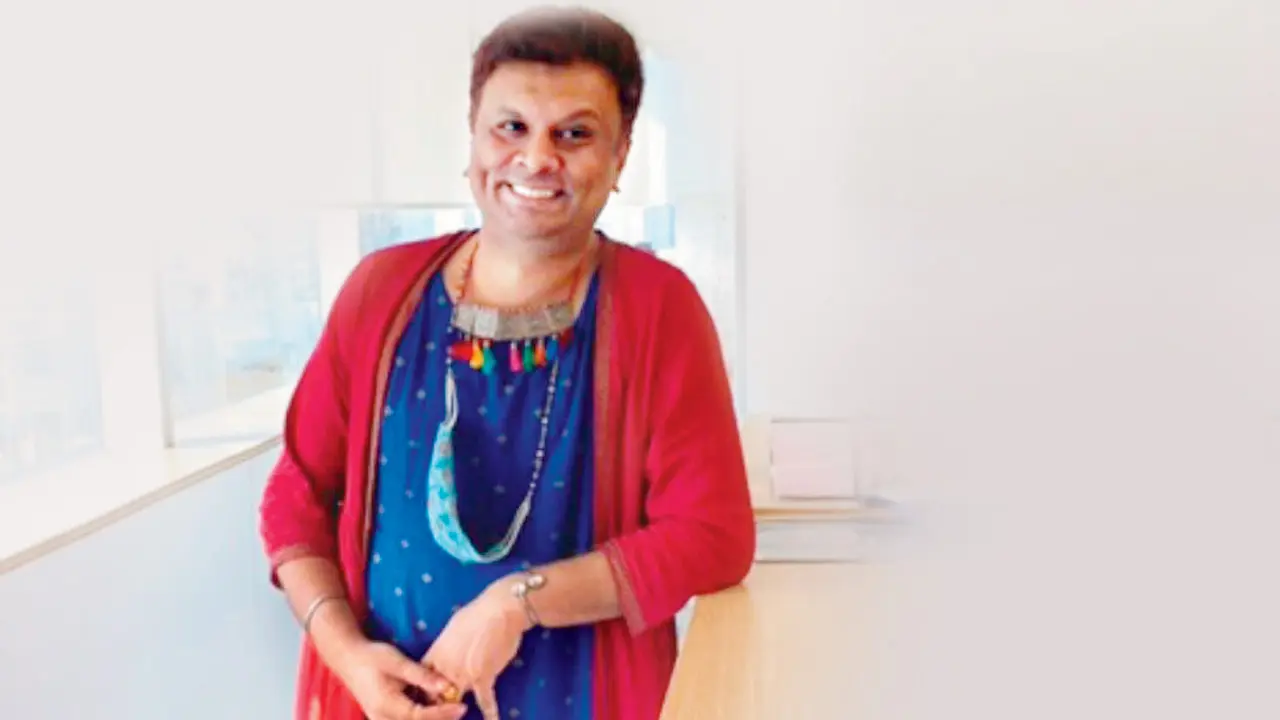
Harish Iyer on why India’s Transgender Bill amendments signal a global regression

Harish Iyer
In 2014, the Supreme Court’s NALSA [National Legal Services Authority] judgment gave the world a masterclass in compassion. It declared that gender identity is an innate part of a person’s soul, recognising self-determination as the cornerstone of freedom. From Argentina to Denmark, the world looked to India as a beacon; they saw a nation that understood that to lead, one must first lead in empathy.
The proposed Transgender Persons Amendment Bill, 2026, threatens to dismantle this legacy. By omitting “self-perceived gender identity” and restricting definitions to “congenital variations”, the state claims to know my body better than I do. My identity is a river; you can measure its depth, but you cannot dictate its direction with a medical certificate.
This regression is a betrayal of our international standing. In 2019, India endorsed the ICD-11, where the WHO explicitly removed “gender incongruence” from the chapter on mental disorders to eliminate stigma. Now, seven years later, this Bill risks reinstating that very stigma into law. To replace my word with a doctor’s stamp is to replace my dignity with suspicion, ignoring the global framework we ourselves helped ratify.
Our strength has always been our pluralism; it is the ability to embrace the “many” within the “one”. Yet, these amendments create a dangerous legal paradox, especially for those at the intersections of marginalisation. Consider what happens when a trans person is also a Person with Disability (PwD). Under the Rights of Persons with Disabilities (RPWD) Act, 2016, the state must provide “reasonable accommodation”. However, if the new Bill criminalises the act of assisting a trans person without state-mandated verification, we enter a dark, contradictory space. If I assist a trans person who is also a person with disability (PwD), do I get arrested because I assisted a trans person, or do I get relieved because I am assisting a PwD?
We must acknowledge the weight of violence we endure just to exist. For many of us, the closet was a shield; to fight all odds to assert who we are, only to be met with a wall of clinical verification, is an institutional betrayal. Look at the lives built on NALSA’s promise: from activist-entrepreneur Zainab Patel, who moved from the streets to the boardroom, to the grace of the drag queen Rani Kohenur, and the legendary Bharatnatyam performer Narthaki Nataraj. Our traditions, from them to ancient mythology, have always known that my identity is an internal truth.
The government justifies these changes by citing “misuse”. But in constitutional law, the exception cannot swallow the rule. You don’t burn down a forest to catch one stray spark. Violations should be handled through penal provisions, not by stripping my community of our right to exist. If India truly aspires to be the Vishwaguru, it must realise that a true leader does not build a nation on clinical surveillance or the policing of bodies like mine.
If we reduce the human spirit to a medical checklist, what is left of the soul of our nation? If we penalise the very act of care, what becomes of our humanity? Can a nation truly be “developed” if its citizens are afraid to be themselves? Are we a democracy that celebrates its pluralism, or a bureaucracy that fears its own diversity? If we ignore our own endorsements of international standards like the ICD-11, what is the value of our word on the global stage? How can we lead the world if we cannot trust our own people to define their own lives?
Harish Iyer is a renowned equal rights activist and a Supreme Court petitioner in landmark cases pertaining LGBTQIA+ rights in India
Subscribe today by clicking the link and stay updated with the latest news!" Click here!