Home / Sunday-mid-day / Article /
William Kamkwamba: ‘We’ll have to figure a way to generate a lot of food, for a lot of people’
Updated On: 19 May, 2024 08:52 AM IST | Mumbai | Manik Sharma
Child prodigy innovator William Kamkwamba wants young minds in India to brainstorm about innovation in the unfancied sectors of food and agriculture



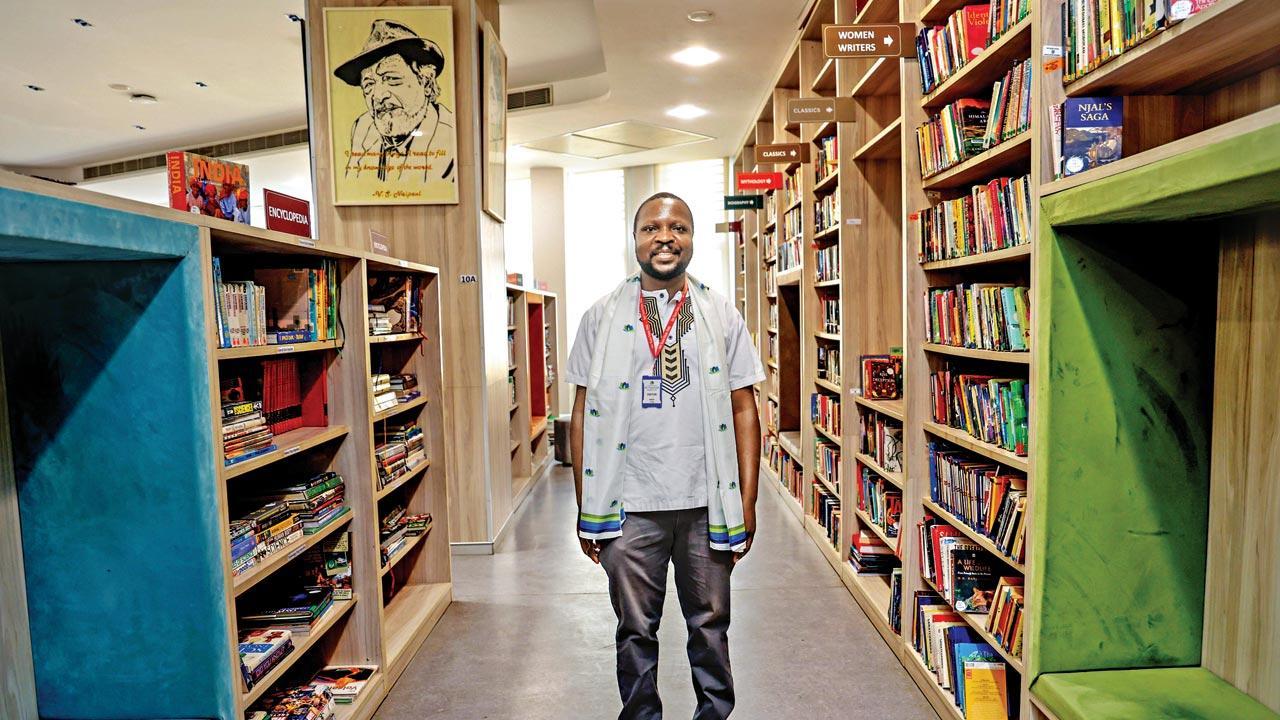
In 2019, Netflix made The Boy Who Harnessed The Wind, which was based on Kamkwamba’s life, which starred and was directed by Oscar-nominee Chiwetel Ejiofor. Pic/Nishad Alam
William Kamkwamba became a global story at the age of 14, back when the concept of Internet virality did not exist. At 36, he looks wiser, speaks more fluently and believes innovation will have to become a collective, global undertaking if humanity has to have a chance at survival. “A lot of people I meet around the world, have this image of Africa, that any time we step out of our homes we are surrounded by wild animals,” he says, cheerfully, as he is prized away from curious students of the Shiv Nadar School, Noida; students who have just heard him speak on matters of sustainability and the urgent need for innovation that is agrarian in nature. There is no one better person, after all, to remind us of the gospel that the revolution will be, and maybe will have to be, youthful.
Born and brought up in Malawi, William became a cherished underdog story, after he built a windmill out of junk and scrap to produce electricity for his home. From a frothy blog story, to the Wall Street Journal through a nervy TED Talk, Kamkwamba found the spotlight by accident. Almost two decades later, he says, his road to learning continues to stretch itself. “I’ve now had the privilege of travelling the world, and wherever I go, I think of gathering information and wisdom that I can bring back to the problems in Malawi.” Kambwamba absorbed physics through rudimentary material, the odd book and by applying the one tool that he believes is key to all forms of innovation–asking questions. From discarded metallic parts, a broken bicycle and some “madness”, he generated enough power to run a handful of bulbs, a couple of radios and offer free charging for anyone who could back then, afford a mobile phone.
How do you like the new new mid-day.com experience? Share your feedback and help us improve.
Trending Stories
Latest Photos
Latest Videos
Latest Web Stories
ADVERTISEMENT
Mid-Day Fast
ADVERTISEMENT

ADVERTISEMENT