From square Harappa to circular mandala
Updated On: 23 February, 2020 05:41 AM IST | Mumbai | Devdutt Pattanaik
Hindutva scholars are unable to explain why the Aryas chose to remember rather meticulously the Vedic hymns, down to the last intonation, but not the advanced sewage technology of the Harappan cities?





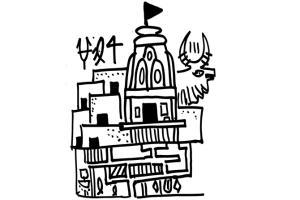
Illustration/Devdutt Pattanaik
%20(1).jpg "Devdutt Pattanaik") Hindutva historians insist that the Harappan cities, that thrived 4,500 years ago across Punjab, Sindh, Rajasthan, and Gujarat, were full of Aryas chanting Vedic hymns and pouring ghee in fire altars made of brick. These convoluted theories have not accepted in any peer reviewed international journal—but this is dismissed as global anti-Hindu conspiracy. Hindutva scholars are unable to explain why the Aryas chose to remember rather meticulously the Vedic hymns, down to the last intonation, but not the advanced sewage technology of the Harappan cities? Did hygiene not matter to the rishis?
Hindutva historians insist that the Harappan cities, that thrived 4,500 years ago across Punjab, Sindh, Rajasthan, and Gujarat, were full of Aryas chanting Vedic hymns and pouring ghee in fire altars made of brick. These convoluted theories have not accepted in any peer reviewed international journal—but this is dismissed as global anti-Hindu conspiracy. Hindutva scholars are unable to explain why the Aryas chose to remember rather meticulously the Vedic hymns, down to the last intonation, but not the advanced sewage technology of the Harappan cities? Did hygiene not matter to the rishis?
Yes, there is memory even in modern times of ideas that have been traced to Harappan cities such as the 4:5 ratio, water harvesting technologies, worship of pipal trees, the bull, seven sisters, use of sindoor and the gesture known as namaste, and the practice of draping our shawls over the left shoulder, but we have no idea why the Vedic rishis deliberately chose to forget sophisticated sewage technology that even the Romans did not have at the height of their power. In fact, till today, Indians fail to manage their sewage well. We still continue with the dehumanising practice of manual scavenging, and hundreds of workers die each year cleaning the sewage systems of the city.
Trending Stories
Latest Photos
Latest Videos
Latest Web Stories
ADVERTISEMENT
Mid-Day Fast
ADVERTISEMENT