Social media handles you need to follow to understand feminism in India
Updated On: 26 August, 2022 05:28 PM IST | Mumbai | mid-day online correspondent
The understanding of feminism in mainstream popular culture in India is often devoid of discussions about the lived experiences of women, who regularly face oppression on the basis of intersection of race, caste, gender and religious identity. Here's a list of social media accounts you need to follow to understand feminism and intersectionality



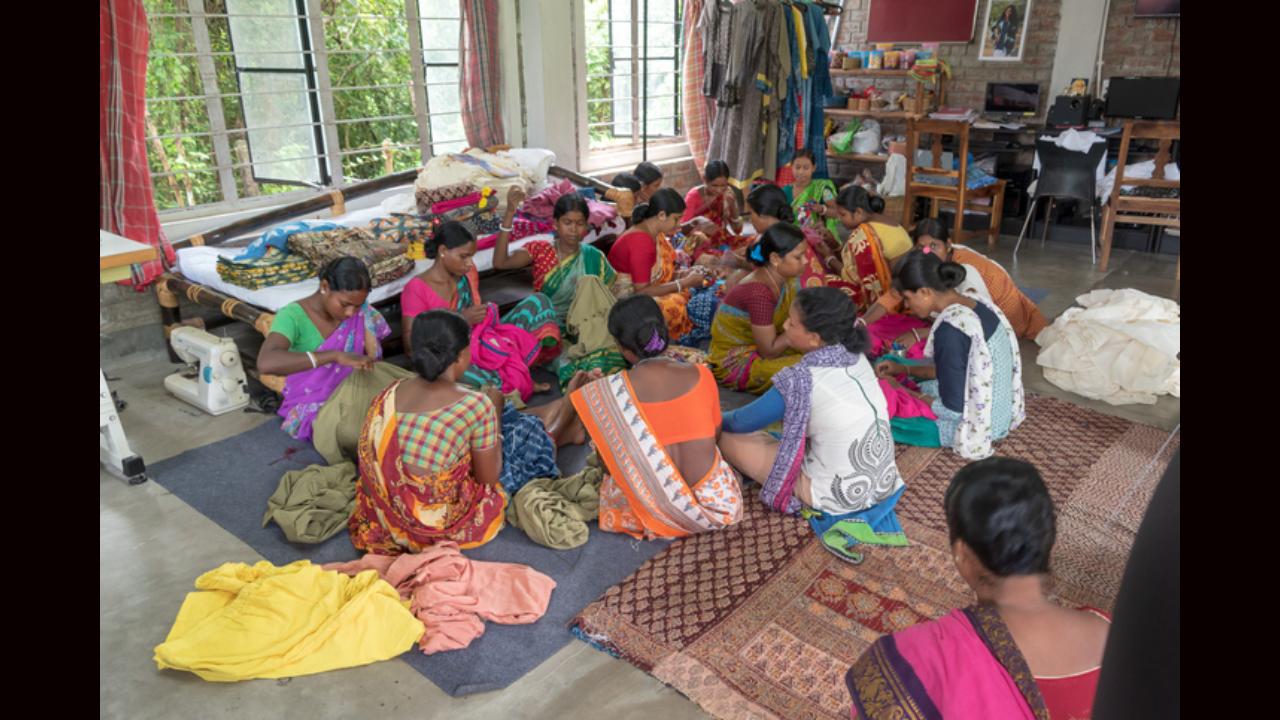
Image for representation: iStock
Intersectional feminism is a term coined in 1989 by Kimberlé Crenshaw, an American civil rights advocate and a law professor, to describe how discrimination based on race, ethnicity, class and gender intersected or overlapped with each other in society. It also explains the varied levels of oppression a woman is subjected to, depending on her social identity. The discussion on intersectional experiences brought to light the narratives of Dalit, tribal and Muslim women in feminist movements in India, which were mainly dominated by privileged women from dominant communities in terms of caste, class and religion.
Several prominent women’s rights activists, journalists, academicians, artists and lawyers from the Dalit-Bahujan and LGBTQIA+ communities have taken the lead in dissecting the feminist discourse, which singularly focused on patriarchy. Such a discussion often clubbed the experiences of women from marginalised or minority communities into a single category, diluting the multi-layered accounts of vulnerabilities the women were exposed to. Through writings, panel discussions, art and on ground advocacy groups, women from the Bahujan and minority communities have taken to the internet to bring forth the issues and violence faced by women of intersectional identities.
How do you like the new new mid-day.com experience? Share your feedback and help us improve.
Trending Stories
Latest Photos
Latest Videos
Latest Web Stories
ADVERTISEMENT
Mid-Day Fast
ADVERTISEMENT

ADVERTISEMENT