IN PHOTOS: Here is why Vada Pav synonymous with Mumbai
Updated On: 25 August, 2023 06:32 PM IST | Editor
In the week of World Vada Pav Day, we decided to trace the snack’s history to understand why it is synonymous with Mumbai





 01
01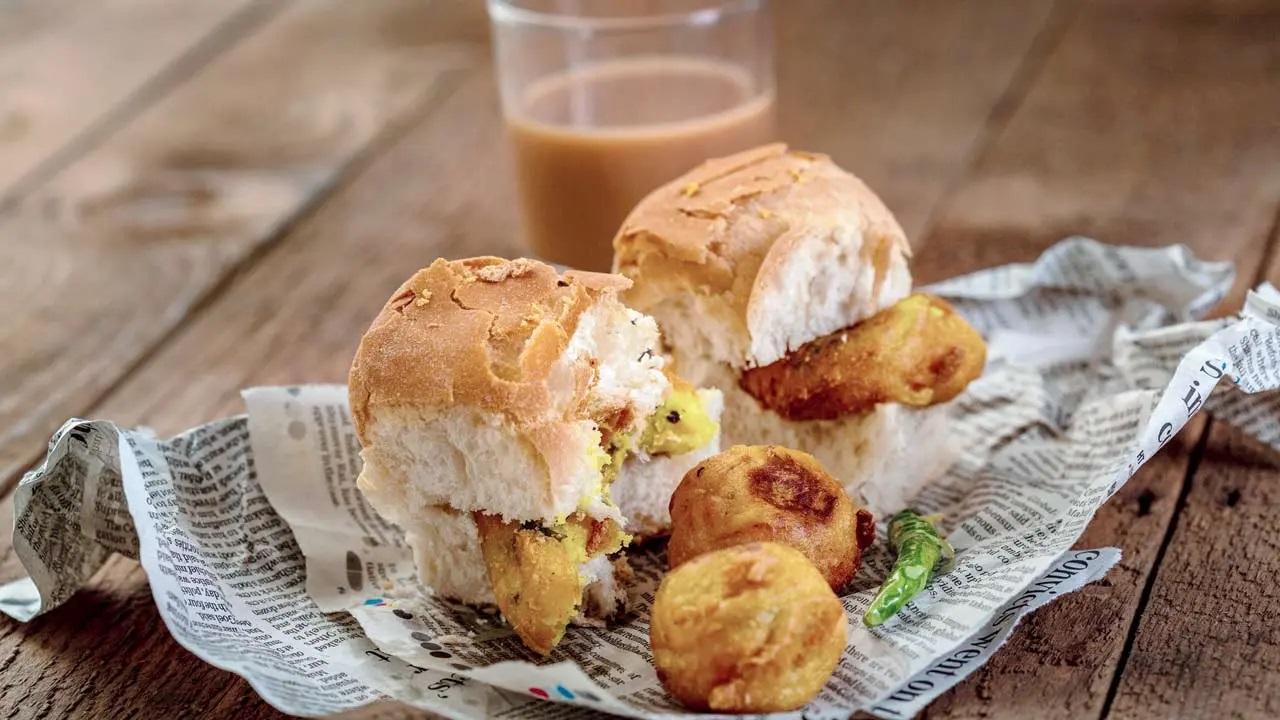 02
02
Pav, vada and chutney — a trio that when clubbed together, makes a dish that every Mumbaikar knows and loves to devour. But what is the story behind this common man’s meal, which is sold on the streets and restaurants across the city? “Vada pav originated in Mumbai’s Dadar area, precisely near Dadar station’s Suvidha store. Ashok Vaidya was the first one to start serving and selling this dish on a small stall,” says Dr Mohsina Mukadam, a food historian
03
Vaidya was the inventor and founder of this iconic dish, that he invented sometime between 1967 and 1968. “It is a relatively new dish. Vaidya’s two sons now look after the same stall at the same location,” says Dr Mukadam, adding that in general, in India, one cannot isolate a dish from the politics and economics of the time when it was discovered . “The late 1960s was the time when Shiv Sena was getting a foothold. It was also the decade when several Udupi restaurants had cropped up in the city; people from the southern states had migrated to Mumbai and were getting employed in the private sector
04
So, there was a certain anti-South Indian sentiment, as well as the entire local versus immigrant unrest. All of this was expressed by late Balasaheb Thackeray in his political speeches in the late ’60s,” she elucidates. There was a lot of conversation around ‘protecting the Maharashtrian identity’ at least when it came to food. So it started with promoting and selling bhajiyas and vadas on stalls across the city; and from this, Vaidya decided to tweak it a little, and came up with the idea of making vada pav
05
For a dish to evolve, several factors need to come together. Like in this dish, there were a few reasons that pav was included. “Until the late 1960s, a major part of the society was not accepting any kind of bread, because there was a colonial shade to it — bread was introduced to Indians by Portuguese and the British. However, in the same decade (1960s), a lot of women had started joining the workforce, and so bread became an easy breakfast item,” explains the food historian
06
The reason that the good ‘ol vada pav is still so popular in the city is that the dish doesn’t require any cutlery to be eaten and neither do you need chairs and tables to sit and eat. “You can eat while walking on the road or before boarding the local train — it is well-suited to the fast-paced life of Mumbai,” concludes Dr Mukadam
Recommended Photos
ADVERTISEMENT
ADVERTISEMENT
Photo of Day

A clear view
An early bird perches on the Lady of Progress statue atop Chhatrapati Shivaji Maharaj Terminus as the monsoon covers come off. Pic/Ashish Raje