Home / Lifestyle / Nature & Wildlife / Article /
Carbon removal capacity of Northeast India forests could reduce over time: Study
Updated On: 17 March, 2022 01:22 PM IST | New Delhi | IANS
A multi-year study from northeast India by Indian Institute of Tropical Meteorology (IITM) scientists observed a strong link between the hydrological and carbon cycles and established that the carbon removal capacity of the forest in the region may reduce over time





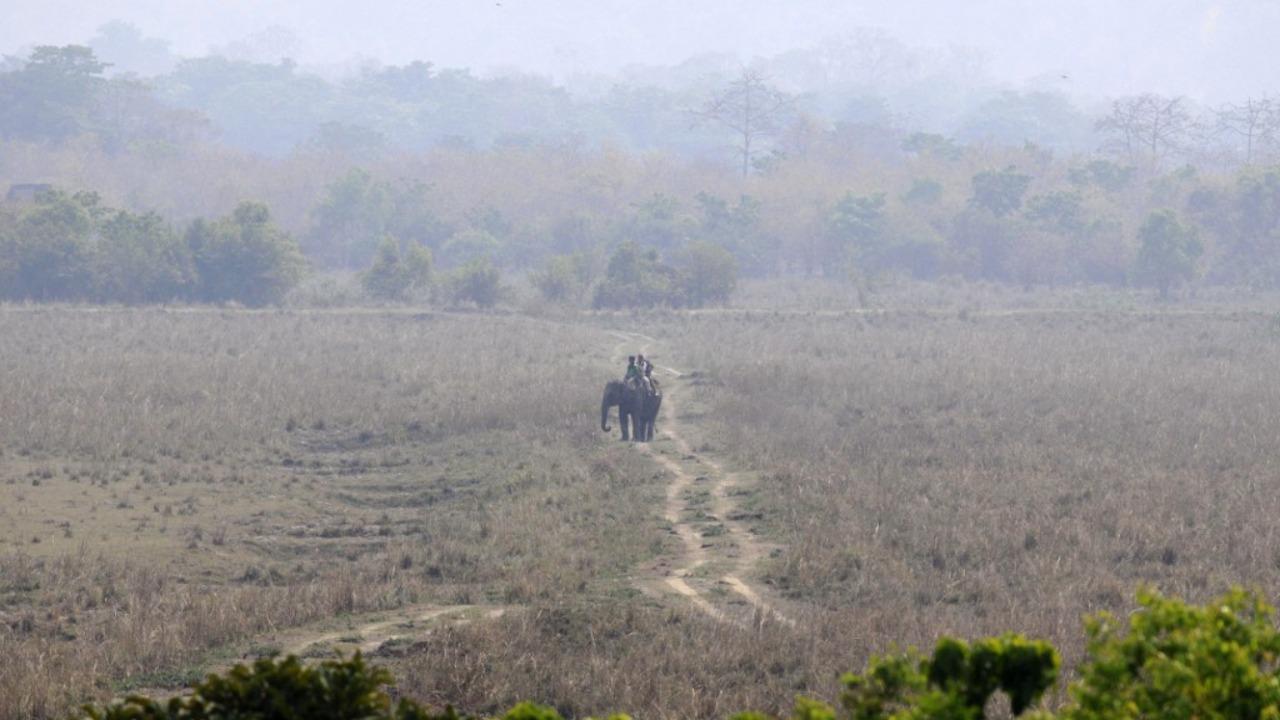
The analysis showed that the Kaziranga Forest in Assam may not be a carbon sink, which means, annually, it releases more amount of CO2 than it absorbs. Photo: AFP
A multi-year study from northeast India has observed a strong link between the hydrological and carbon cycles and established that the carbon removal capacity of the forest in the region may reduce over time.
The study, by a team of scientists from the Indian Institute of Tropical Meteorology (IITM), Pune, an autonomous research institute under the Ministry of Earth Sciences (MoES), and Tezpur University at Tezpur, has investigated carbon movement processes at Assam's Kaziranga National Park, which is a deciduous forest.
Trending Stories
Latest Photos
Latest Videos
Latest Web Stories
ADVERTISEMENT

Ganeshotsav 2026

ADVERTISEMENT