shot-button
E-paper E-paper
Home > Lifestyle News > Nature And Wildlife News > Article > Guwahati researchers Black scorpion sting injects 25 distinct deadly toxins can damage liver and immune system

Guwahati researchers: Black scorpion sting injects 25 distinct deadly toxins, can damage liver and immune system

Updated on: 07 August,2025 11:20 AM IST  |  New Delhi
IANS |

Given its considerable mortality and morbidity, the sting of the glossy black scorpion -- found particularly in Eastern and Southern India forests -- constitutes a critical worldwide health concern


Guwahati researchers: Black scorpion sting injects 25 distinct deadly toxins, can damage liver and immune system

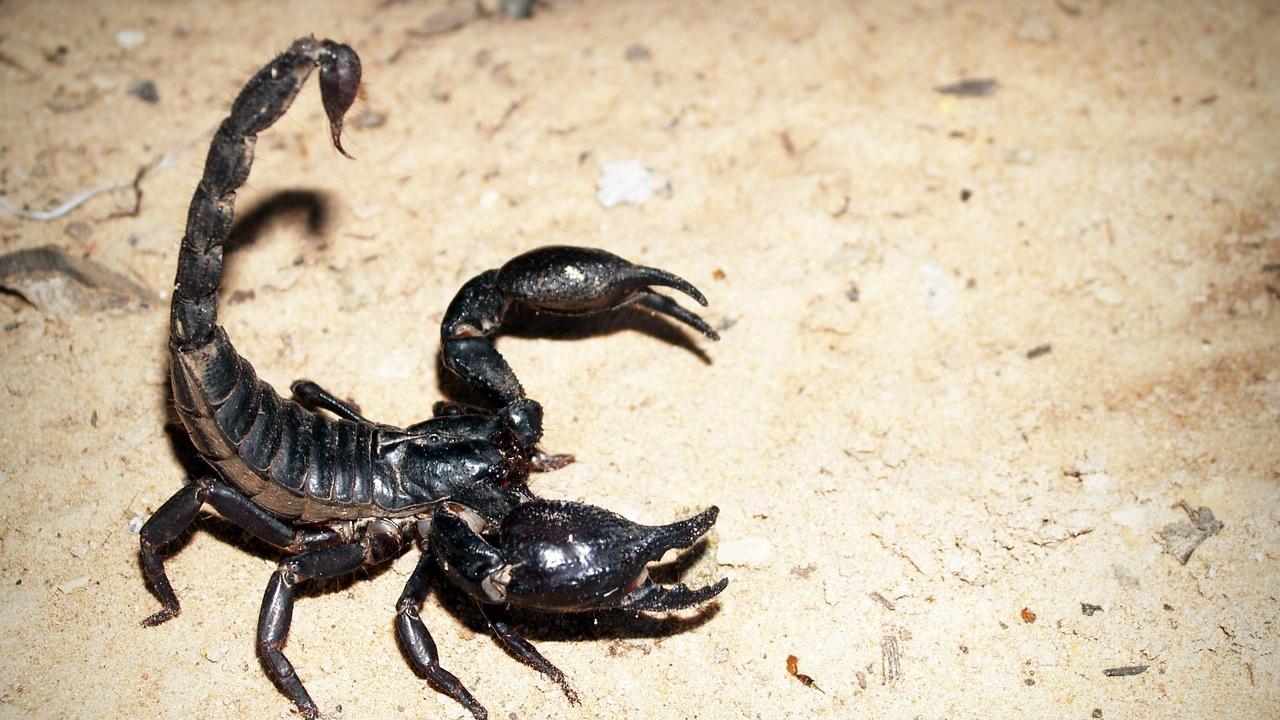
Image for representational purpose only. Photo Courtesy: Pixabay

Listen to this article
Guwahati researchers: Black scorpion sting injects 25 distinct deadly toxins, can damage liver and immune system
x
00:00

Researchers at the Institute of Advanced Study in Science and Technology (IASST), Guwahati, an autonomous institute of the Department of Science and Technology (DST), have found that the black scorpion sting injects 25 distinct deadly toxins, which can cause significant damage to the liver and the immune system. 

Given its considerable mortality and morbidity, the sting of the glossy black scorpion -- found particularly in Eastern and Southern India forests -- constitutes a critical worldwide health concern.


“The secret behind the danger of the sting lies in 25 distinct toxins spanning eight different protein families packed in the venom that the scorpion injects,” revealed the study, spearheaded by Prof. Ashis K. Mukherjee, Director of IASST, and Susmita Nath, research scholar.


Despite its ubiquity and significant impact, it has garnered minimal scientific scrutiny, leading to a deficient comprehension of its venom composition, toxicity mechanisms, and overall biological significance.

To understand, the team conducted a comprehensive analysis of the venom profile of Heterometrus bengalensis (HB) -- a relatively obscure species indigenous to eastern and southern India.

Spectrometry and biochemical analyses identified the 25 key toxins from 8 protein families in HB venom.

Using Swiss albino mice, the team found that the chemicals lead to systemic toxicity, increased liver enzymes, organ damage, and a pronounced proinflammatory response.

“Once the venom entered the mice's systems, it triggered a systemic toxic storm. Liver enzyme levels skyrocketed, signalling hepatic distress. Organs showed signs of damage, and most telling of all, the immune system went into overdrive -- mounting a proinflammatory response that hinted at potential shock or severe allergic reactions in real-world stings,” the researchers said.

The study, published in the International Journal of Biological Macromolecules, addresses a significant deficiency in scorpion research by examining a lesser-known species and establishes a basis for future investigations into venom and its management.

This story has been sourced from a third party syndicated feed, agencies. Mid-day accepts no responsibility or liability for its dependability, trustworthiness, reliability and data of the text. Mid-day management/mid-day.com reserves the sole right to alter, delete or remove (without notice) the content in its absolute discretion for any reason whatsoever.

"Exciting news! Mid-day is now on WhatsApp Channels Subscribe today by clicking the link and stay updated with the latest news!" Click here!

Did you find this article helpful?

Yes
No

Help us improve further by providing more detailed feedback and stand a chance to win a 3-month e-paper subscription! Click Here

Note: Winners will be selected via a lucky draw.

Help us improve further by providing more detailed feedback and stand a chance to win a 3-month e-paper subscription! Click Here

Note: Winners will be selected via a lucky draw.

guwahati assam Nature wildlife environment Lifestyle news health

Mid-Day Web Stories

Mid-Day Web Stories

This website uses cookie or similar technologies, to enhance your browsing experience and provide personalised recommendations. By continuing to use our website, you agree to our Privacy Policy and Cookie Policy. OK