Home / News / India News / Article /
For the love of the moon
Updated On: 17 March, 2019 07:29 AM IST | | Devdutt Pattanaik
These constellations or houses are visualised as goddesses





Illustration/Devdutt Pattanaik
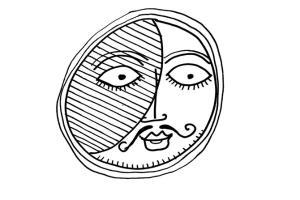
 In Hindu astronomy, the sky is divided into 28 parts, or nakshatras, based on 28 different constellations, one of which is supposed to have disappeared so effectively that there remain only 27. These constellations or houses are visualised as goddesses. It is said that the moon god was married to all of them, but he preferred only one of his wives, which is the reason the 28th wife disappeared. The remaining 26 complained to their father, who got so angry with the moon god for preferring one wife over the others, that he cursed the moon god with tuberculosis, kshyayrog or wasting disease.
The moon started to wane and he kept waning. When he was about to disappear, he prayed to the great god Shiva, who, through the practice of yoga, created energy within him. He then could energise the moon, who started waxing again. Therefore, Ardhachandra, the half moon or the crescent shape of the waning phase of the moon, represents the moment between death and rebirth, and plays an important visual symbol in Hindu mythology. It represents Shiva’s power, who is often described as the god with the crescent moon on his locks. Oftentimes, Shiva is equated with the moon, its shifting phases reflecting his moodiness, its glow representing his beauty.
Trending Stories
Latest Photos
Latest Videos
Latest Web Stories
ADVERTISEMENT
Mid-Day Fast
ADVERTISEMENT