shot-button
E-paper E-paper
Home > News > India News > Article > Supreme Court to hear bail pleas of Umar Khalid and Sharjeel Imam in Delhi riots UAPA case

Supreme Court to hear bail pleas of Umar Khalid and Sharjeel Imam in Delhi riots UAPA case

Updated on: 26 October,2025 03:00 PM IST  |  New Delhi
mid-day online correspondent |

The Supreme Court is set to hear the bail pleas of activists Umar Khalid, Sharjeel Imam, Gulfisha Fatima and Meeran Haider in the UAPA case tied to the 2020 Delhi riots. The accused, jailed since 2020, challenge the Delhi High Court’s order rejecting their bail applications


Supreme Court to hear bail pleas of Umar Khalid and Sharjeel Imam in Delhi riots UAPA case

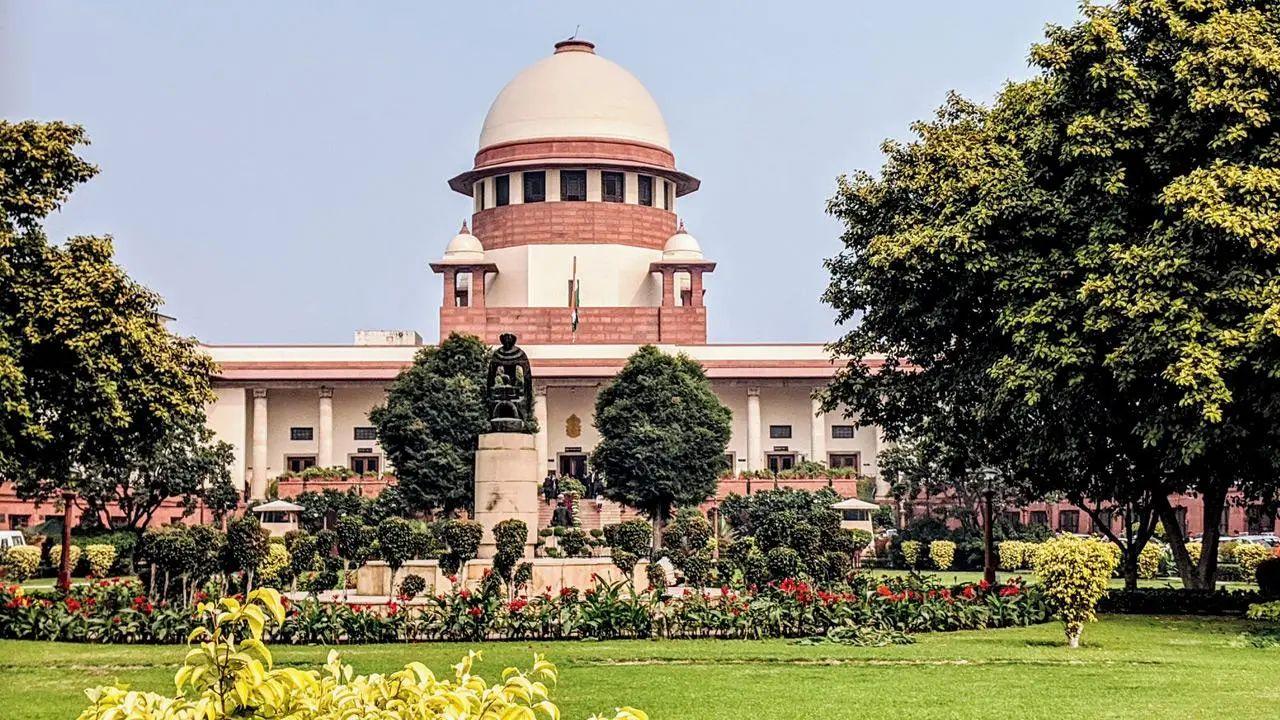
Representational Image. File Pic

Listen to this article
Supreme Court to hear bail pleas of Umar Khalid and Sharjeel Imam in Delhi riots UAPA case
x
00:00

The Supreme Court of India is slated to hear on Monday bail pleas of activists Umar Khalid, Sharjeel Imam, Gulfisha Fatima and Meeran Haider in the UAPA case related to the alleged conspiracy behind the February 2020 riots in Delhi.

As reported by news agency PTI, a bench of Justices Aravind Kumar and N. V. Anjaria is likely to hear the matter.


The Apex court earlier on September 22 had also issued notice to the Delhi Police and sought its response. Furthermore, the activists moved the application to the apex court, challenging the Delhi High Court order passed on September 2.


Earlier, the high court denied bail to nine people, including Khalid and Imam, saying "conspiratorial" violence under the garb of demonstrations or protests by citizens could not be allowed.

Besides Khalid and Imam, those who faced bail rejection are Fatima, Haider, Mohd Saleem Khan, Shifa Ur Rehman, Athar Khan, Abdul Khalid Saifi and Shadab Ahmed. Moreover, the bail plea of another accused, Tasleem Ahmed, was rejected by a different high court bench on September 2.

The high court, while rejecting the plea, said the Constitution affords citizens the right to protest and carry out demonstrations or agitations, provided they are orderly, peaceful and without arms, and such actions must be within the bounds of law.

While the high court said the right to participate in peaceful protests and to make speeches in public meetings was said to have been protected under Article 19(1)(a) and couldn't be blatantly curtailed, it observed the right was "not absolute" and "subject to reasonable restrictions", reported PTI. 

While putting out the order, the High Court said, "If the exercise of an unfettered right to protest were permitted, it would damage the constitutional framework and impinge upon the law and order situation in the country," as per PTI. 

Umar Khalid, Imam and the rest of the accused persons were booked under the Unlawful Activities (Prevention) Act (UAPA) and provisions of the erstwhile IPC for allegedly being the "masterminds" of the February 2020 riots, which left 53 people dead and over 700 injured.

The violence erupted during the protests against the Citizenship (Amendment) Act and the National Register of Citizens. The accused, who have denied all the allegations against them, have been in jail since 2020 and have moved the high court after a trial court rejected their bail pleas. 

(With inputs from PTI)

"Exciting news! Mid-day is now on WhatsApp Channels Subscribe today by clicking the link and stay updated with the latest news!" Click here!

Did you find this article helpful?

Yes
No

Help us improve further by providing more detailed feedback and stand a chance to win a 3-month e-paper subscription! Click Here

Note: Winners will be selected via a lucky draw.

Help us improve further by providing more detailed feedback and stand a chance to win a 3-month e-paper subscription! Click Here

Note: Winners will be selected via a lucky draw.

supreme court India news national news delhi india

Mid-Day Web Stories

Mid-Day Web Stories

This website uses cookie or similar technologies, to enhance your browsing experience and provide personalised recommendations. By continuing to use our website, you agree to our Privacy Policy and Cookie Policy. OK