shot-button
Home > News > India News > Article > Union Budget 2026 Whats getting costlier whats getting cheaper for you

Union Budget 2026: What’s getting costlier, what’s getting cheaper for you

Updated on: 02 February,2026 08:58 AM IST  |  New Delhi
Written by: Anushree Gaikwad | mailbag@mid-day.com

Union Budget 2026 brings changes affecting household expenses and consumer choices. Smartphones, sports goods, select drugs, and capital equipment may get cheaper, while alcohol, tobacco, and stock futures trading become costlier

Union Budget 2026: What’s getting costlier, what’s getting cheaper for you

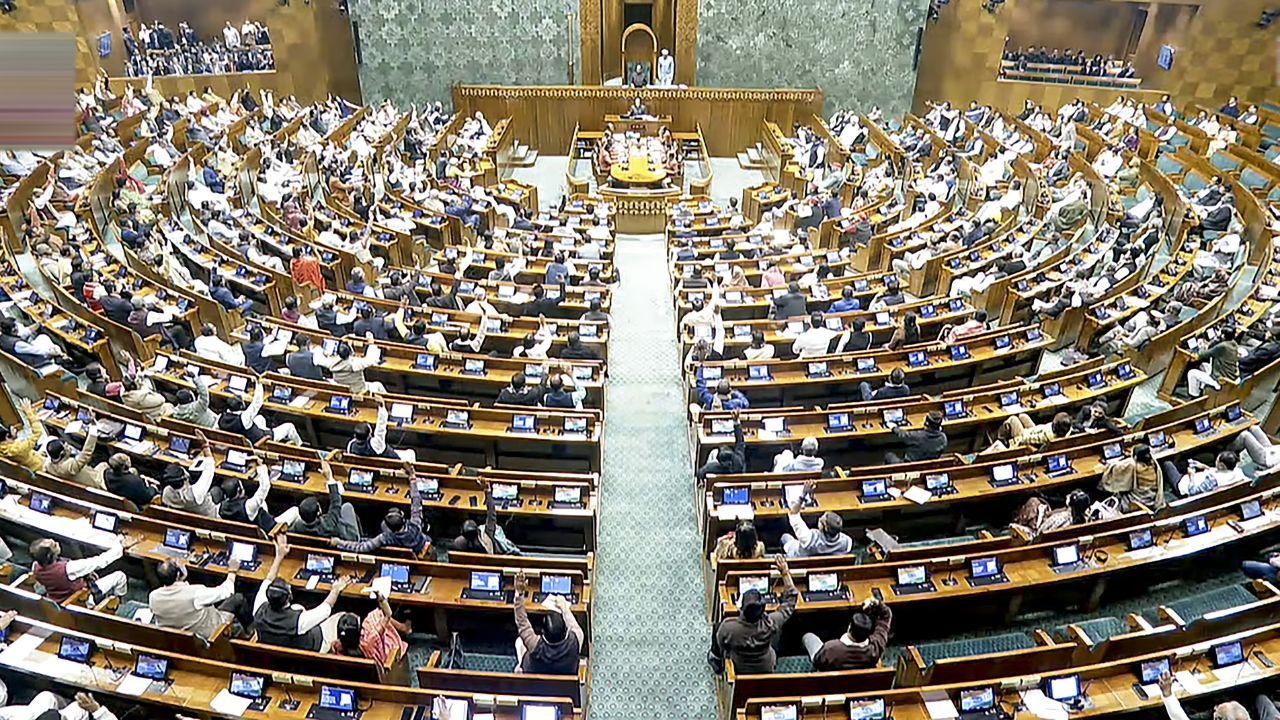
FM Nirmala Sitharaman presents her ninth consecutive Union Budget in Lok Sabha on Sunday. PIC/ PTI

Listen to this article
Union Budget 2026: What’s getting costlier, what’s getting cheaper for you
x
00:00

With Finance Minister Nirmala Sitharaman presenting her ninth consecutive Union Budget, several changes will directly impact household expenses and consumer choices.

Follow the live updates of Union Budget 2026 with real-time coverage of major announcements, tax reforms, economic priorities and policy decisions


Union Budget 2026: What gets cheaper


Overseas tour packages as TCS has been reduced from 5–20 per cent to 2 per cent

Foreign education costs with lower TDS under the Liberalised Remittance Scheme (LRS)

Alcoholic liquor scrap and select minerals following a duty cut from 5 per cent to 2 per cent

Shoe upper exports with duty-free imports permitted

Energy transition equipment with exemption from basic customs duty (BCD)

Solar glass manufacturing inputs with BCD exemption

Capital goods used for critical mineral production with BCD exemption

Components and parts for civilian aircraft manufacturing exempted from BCD

Microwave ovens with full BCD exemption

Personal-use imports as BCD is reduced from 20 per cent to 10 per cent

Drugs used for rare diseases and cancer with BCD exemption

Fish caught by Indian fishermen in Indian waters exempt from BCD

Goods imported for nuclear power projects exempt from BCD

Cancer drugs 

Leather goods 

Camera

TV  equipment 

Imports of goods for nuclear power till 2023

video games manufacturing parts 

Footwear

Union Budget 2026: What gets costlier

Income tax misreporting, now attracting a penalty equal to 100 per cent of the tax amount

Non-disclosure of movable assets, which will now invite penalties

Stock options and futures trading, with Securities Transaction Tax increased from 0.02 per cent to 0.05 per cent

 “Sin” goods such as cigarettes and luxury imports 

Coffee and vending machines

Coal

Union Budget 2026: Income tax law comes into force from April 1, says Nirmala Sitharaman

The FM on Sunday announced that the Income Tax Act, 2025, will come into force from April 1, marking a major overhaul of India’s direct tax framework. She said the accompanying rules and redesigned income tax return (ITR) forms will be notified shortly to give taxpayers adequate time to familiarise themselves with the new system.

Simplified rules and ITR forms to be notified soon

Speaking in the Lok Sabha during her Union Budget 2026 address, Sitharaman said the new law will replace the six-decade-old Income Tax Act of 1961, with all changes announced in the current Budget being incorporated into the fresh legislation. “This direct tax code was completed in record time, and the Income Tax Act, 2025 will take effect from April 1, 2026. The simplified rules and forms will be notified soon,” she said.

Revamped ITRs designed for easier taxpayer compliance

The Finance Minister emphasised that the revamped ITR forms have been redesigned with the ordinary taxpayer in mind, enabling easier compliance without procedural complexity. According to her, the reform is focused on clarity and simplicity rather than altering tax rates.

Revenue-neutral law cuts sections by nearly 50 per cent

She clarified that the new Income Tax Act is revenue-neutral, with no change in existing tax slabs or rates. Instead, it aims to simplify the law, remove ambiguities and significantly reduce litigation by making provisions easier to understand. Notably, the legislation cuts down the overall text and number of sections by nearly 50 per cent compared to the 1961 Act.

Single ‘tax year’ concept, late filers allowed TDS refunds

One of the key structural changes introduced under the new law is the simplification of the tax timeline. The long-standing distinction between the “previous year” and the “assessment year” has been removed and replaced with a single “tax year” concept, making compliance more straightforward for taxpayers.

In another taxpayer-friendly move, Sitharaman said the new framework will allow individuals to claim refunds of tax deducted at source (TDS) even if income tax returns are filed after the due date, without attracting any penal charges.

The Finance Minister said these reforms are intended to make India’s direct tax system more transparent, predictable and citizen-centric, while also improving ease of compliance and reducing disputes between taxpayers and the tax administration.

"Exciting news! Mid-day is now on WhatsApp Channels Subscribe today by clicking the link and stay updated with the latest news!" Click here!

Did you find this article helpful?

Yes
No

Help us improve further by providing more detailed feedback and stand a chance to win a 3-month e-paper subscription! Click Here

Note: Winners will be selected via a lucky draw.

Help us improve further by providing more detailed feedback and stand a chance to win a 3-month e-paper subscription! Click Here

Note: Winners will be selected via a lucky draw.

Union Budget Union Budget 2026 finance ministry Finance nirmala sitharaman indian economy news national news

Mid-Day Web Stories

Mid-Day Web Stories

This website uses cookie or similar technologies, to enhance your browsing experience and provide personalised recommendations. By continuing to use our website, you agree to our Privacy Policy and Cookie Policy. OK