Home / Sunday-mid-day / Article /
When Bombay made rare art
Updated On: 05 April, 2015 04:48 AM IST | | Kareena Gianani
Art historian Susan Hapgood’s new book provides keen insights into the port city’s fantastic experiments and relationship with photography in the 19th century, writes Kareena Gianani





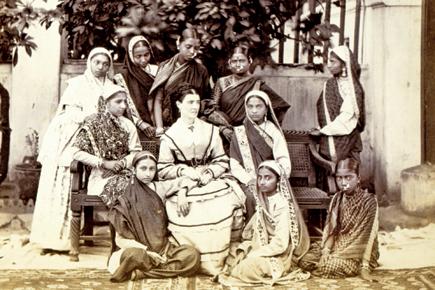
Class with teacher in vernacular school, Bombay, by Shivshanker Narayan (1873). British Library, London/u00c3u0082u00c2u00a9 British Library Board
Bound and pressed between the pages of the book, Early Bombay Photography, are more than sepia-tinted photographs documenting an illustrious port city in the 19th century. No doubt, there are delightful topographical views, elegant studio portraiture, and subjects looking into the camera, some sitting ramrod straight, their gaze unflinching. What the book is, in essence, is a journey of revelation — into a city that not many know took to photography within a year after the daguerreotype process was introduced to the world (1839), and that, by 1850, it is likely that more people practiced photography in Bombay, than anywhere else in Asia. Early Bombay Photography is equally about the highly-charged social, political and aesthetic photographs which were produced by both British and Indians alike.
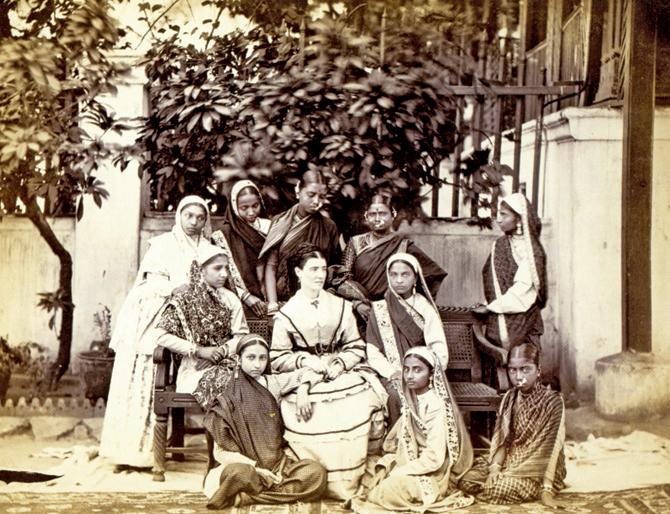
Class with teacher in vernacular school, Bombay, by Shivshanker Narayan (1873). British Library, London/© British Library Board
Trending Stories
Latest Photos
Latest Videos
Latest Web Stories
ADVERTISEMENT
Mid-Day Fast
ADVERTISEMENT