Home / Sunday-mid-day / Article /
Table salt faces competition from Himalayan pink, sea and rock salt
Updated On: 20 October, 2019 07:41 AM IST | Mumbai | Gitanjali Chandrasekharan
Pristine white, flowing table salt is getting dropped in favour of coarse variants. Here's why.





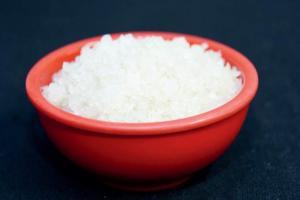
Natural sea salt
A year ago, Rupal Shah, 51, made a change to her monthly grocery list. The Khar resident replaced iodised table salt, a staple in most Indian homes, with Himalayan rock salt. One of the triggers for the switch was that husband Nihaal, who has a family history of high blood pressure, showed the first signs of the disease during a check-up. Shah, who heads management at Fort art gallery, Chemould Prescott Road, and is visiting faculty at Rizvi College of Architecture, says that her parents had made the switch from iodised table salt seven years ago, and she saw the drop in their blood pressure levels. A year down the line, Nihaal's BP is in the healthy range.
Earlier this year, 91-year-old Mumbai-based businessman Shiv Shankar Gupta forced several of us to ask, is the salt you are eating right for you? He hit headlines for his claim that salt produced by top firms has high levels of potassium ferrocyanide. The chemical, says Gupta, is harmful. While Gupta did not wish to speak to mid-day for this article, he made available the literature he has researched and written, including reports from American West Analytical Laboratories in the US, where he sent samples of commonly used table salt including Tata and Sambhar, for testing. The reports state that the levels of potassium ferrocyanide are higher than stated "reporting limits", except in the case of Hindustan pink salt, Puro Healthy Salt and Tata Salt Rock Salt.
Trending Stories
Latest Photos
Latest Videos
Latest Web Stories
ADVERTISEMENT
Mid-Day Fast
ADVERTISEMENT