Home / Sunday-mid-day / Article /
Understanding Kerala's food history through its many communities
Updated On: 19 April, 2020 07:21 AM IST | Mumbai | Jane Borges
Understanding Kerala's food history through its many communities





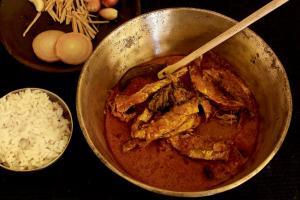
Pic courtesy/Eating With History: Ancient trade-influenced cuisines of Kerala, Niyogi Books
It was in her ammama's kusinchya—a Portuguese derivative of the word kitchen—that Kochi-based art curator, Tanya Abraham, first fell in love with food. Dressed in the customary chatta and mundu, her grandmother would spend rigorous hours amidst the "stone jars of pickles, the smell of firewood and burning coal" to serve her large and growing family, which lived in the 200-year-old tarawad (family home), in a small town in Kerala. "My ammama believed the family remained nourished from the fires burning in her kitchen. Her food was largely Latin Catholic and had a certain flavour. She would serve an array of cuisines to the large joint family… it piqued my interest for new flavours," Abraham recalls, fondly. "I loved her pada, a pickle made of coconut vinegar, red chilli powder and garlic. We ate it with everything. The steamed appam with coconut milk and ripe Kerala banana, her baffad and vindaloo are special dishes we continue to make at home."
Abraham's grandmother is the inspiration behind a new cookbook, Eating With History: Ancient trade-influenced cuisines of Kerala (Niyogi Books). The 200-pager which, apart from recipes, takes us through personal cooking vignettes of a Latin Catholic household, and the larger trade history in the state and how it influenced the meals prepared today, is an attempt to understand the "highly intricate and interesting food culture of Kerala". "The [book is a] study of the cuisines that mushroomed specifically from the ancient spice trade in Kerala. There are six religion-based communities that rose from it, of which Christians are three [Latin Catholic, Syrian Christians and Anglo Indians]," says Abraham, adding that of these, the Portuguese had the strongest impact on local community and food.
Trending Stories
Latest Photos
Latest Videos
Latest Web Stories
ADVERTISEMENT

Ganeshotsav 2026

ADVERTISEMENT