‘I wanted to create LGBTQIA+ content I wanted to see when I was growing up’, says Prarthana aka Short Haired Brown Queer
Updated On: 06 June, 2023 03:48 PM IST | Mumbai | Maitrai Agarwal
Known by her moniker Short Haired Brown Queer, Prarthana creates relatable queer comic content that captures the nuances of lived LGBTQIA+ experiences. In an exclusive interview with mid-day.com, she talks about her inspiration, how queer comedy enhances familiarity, the male gaze and more



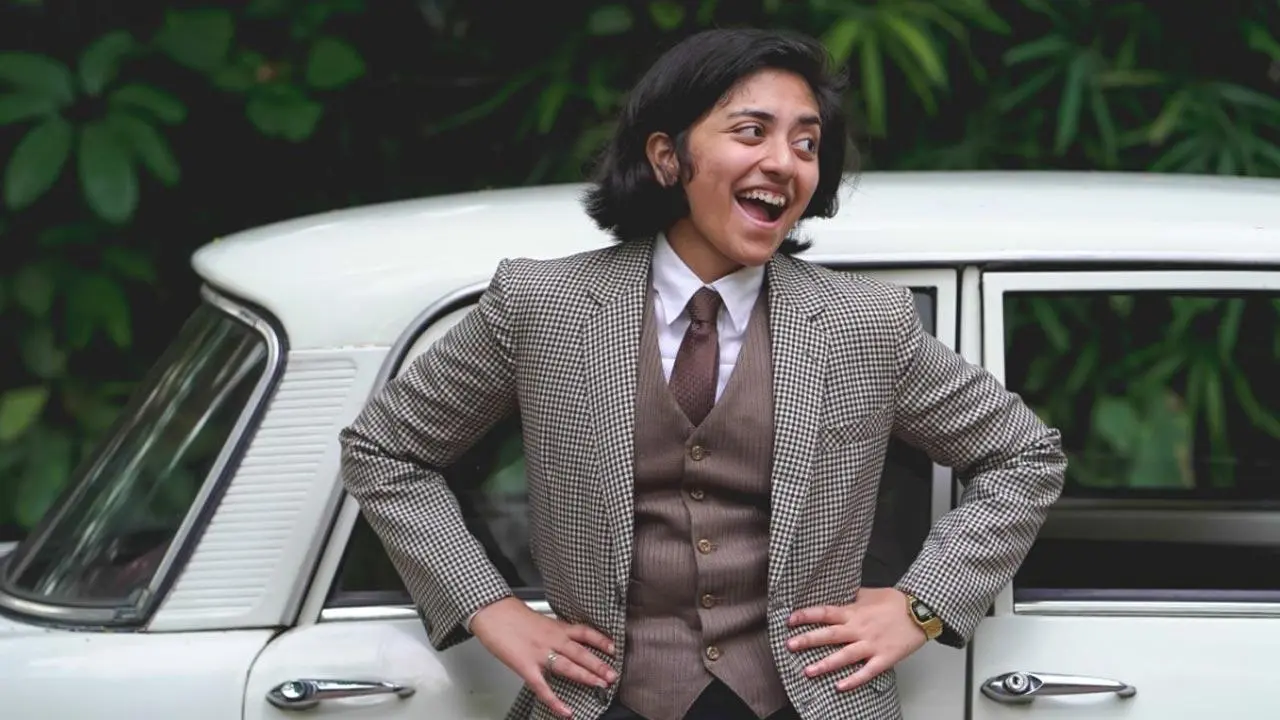
The Bengaluru native has been creating queer content, and has found a niche audience while shining a spotlight on lived experiences of LGBTQIA+. Photo courtesy: Prarthana
Self-expression may be one of the most underrated freedoms that one enjoys. For those individuals who identify as LGBTQIA+, being their authentic selves, and expressing their identities fully can be an obstacle laden journey. Twenty-four-year-old Prarthana has been creating queer content for the past 16 months across platforms, offering viewers an up-close look at the lived experiences of an Indian queer individual. While LGBTQIA+ audiences have found her humorous storytelling relatable, feedback on her social media reveals that straight allies also enjoy her content. Below, the Bengaluru-native reveals her inspiration, apprehensions, and hopes for queer comedy in India.
According to you, how important is it to explore gender and sexuality with a non cis-heterosexual lens?
I think the only valid way of exploring gender and sexuality is through a non cis-het lens. Looking at gender and sexuality through a cis-het lens is akin to looking at nothing at all. Male, female, blue for boys, pink for girls, femininity being the object of masculine desire, boy meets girl, girl loves boy… none of this is unknown. It's entirely known and disseminated in every story, movie, book and song. It's the unquestionable status quo that’s imposed on us since we’re young enough to crawl.
It's not a story we get to contribute anything new to, it’s an overly simplified and easily palatable version of gender and sexuality that offers little room for authenticity even to the people who are cis-gendered and heterosexual. Gender roles and stereotypes affect all of us. It’s just that it might affect queer, trans and female folks more so they talk about it more.
We need to also look at feminism with a queer and intersectional lens. We need to include queer and trans folks in these conversations. A transgender man or non-binary person’ struggles with gender are a lot more difficult than a lot of cis-gendered woman’s and that needs to be acknowledged in feminism. Otherwise it's a half done job that isn’t really benefitting all the people it should.
Most LGBTQIA+ artists create because they want to become the representation they never had growing up. How much of this is true in your case?
It’s 100% true. The purpose of my internet presence is to create the gay Indian content I wanted to see when I was growing up. There’s such a lack of authentically queer stories out there.
Growing up as a child, I was always the weird kid in the room. I came out in a school and college where my classmates had never met another queer person. I think one of the most marked feelings that comes along with queerness is a sense of isolation. You just truly do believe there aren’t any other people out there who feel the same way you do. I thought there were five lesbians in all of India when I first started making videos: me, my ex, and possibly three others. But that’s really not the case, there’s so many of us out there. I receive so many messages from people younger and older than me who tell me they’ve never seen such an openly queer person in India and that I give them the hope to do the same. They tell me that the personal stories I share feel exactly like their own.
I want to be the representation I wish I had seen when I was 14. I would never venture near social media if I was a heterosexual person. It’s the lack of authentic queer and desi experiences that pushes me to add my voice to the mix.
Also read: Mumbai theatre talk: Actor Asmit Pathare’s play ‘Us & Them’ attempts to deconstruct nationalism
How do you like the new new mid-day.com experience? Share your feedback and help us improve.
Trending Stories
Latest Photos
Latest Videos
Latest Web Stories
ADVERTISEMENT
Mid-Day Fast
ADVERTISEMENT

ADVERTISEMENT