shot-button
E-paper E-paper
Home > Lifestyle News > Health And Fitness News > Article > WHO issues guidelines for clinical management of dengue chikungunya Zika virus and other diseases

WHO issues guidelines for clinical management of dengue, chikungunya, Zika virus, and other diseases

Updated on: 11 July,2025 12:25 PM IST  |  Mumbai
IANS |

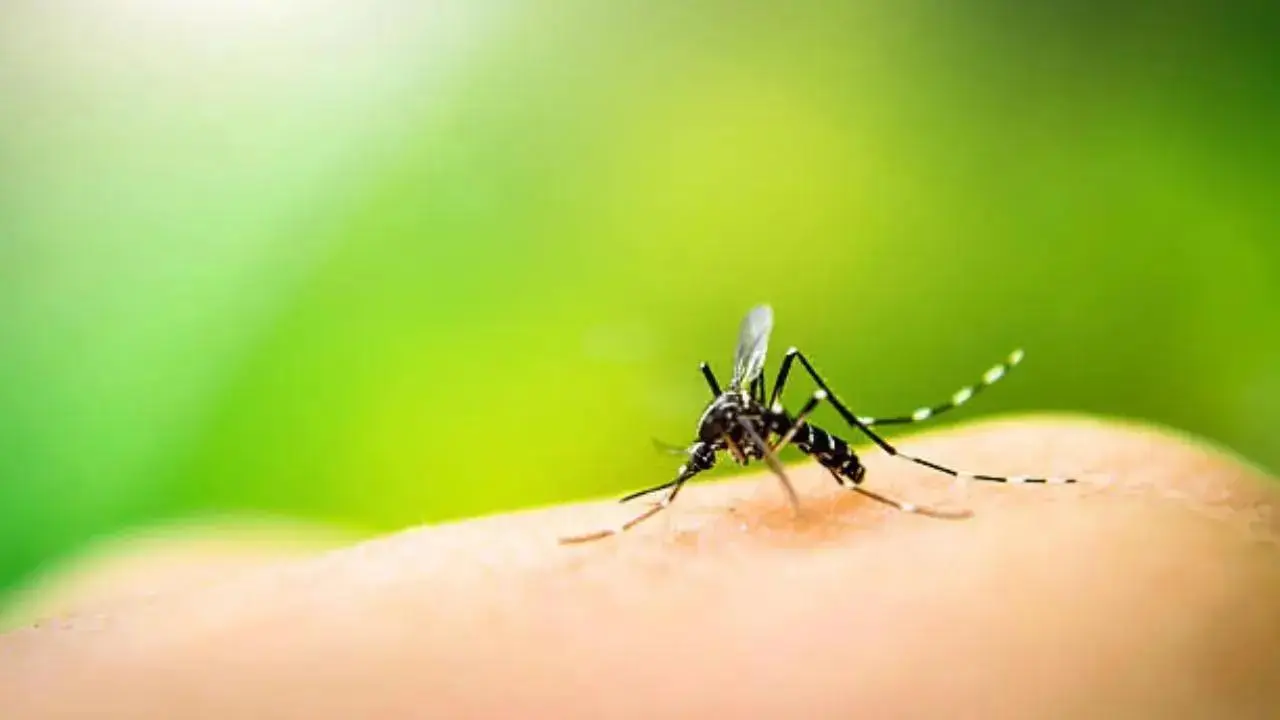
Once limited to tropical and subtropical climates, the Aedes mosquitoes that transmit these diseases are spreading to new regions


WHO issues guidelines for clinical management of dengue, chikungunya, Zika virus, and other diseases

Image for representational purposes only (Photo Courtesy: iStock)

Listen to this article
WHO issues guidelines for clinical management of dengue, chikungunya, Zika virus, and other diseases
x
00:00

In a first, the World Health Organization (WHO) has published guidelines for the clinical management of patients with suspected or confirmed arboviral diseases, such as dengue, chikungunya, Zika, and yellow fever.

Arboviruses have become a growing public health threat, putting over 5.6 billion people at risk. Once limited to tropical and subtropical climates, the Aedes mosquitoes that transmit these diseases are spreading to new regions due to climate change, population growth, increased travel, and urbanisation, increasing the risk of outbreaks.


While early detection and treatment are key for better outcomes, diagnosing these diseases "can be challenging as their symptoms often overlap and resemble other febrile illnesses," said the WHO.


"In addition, in some regions, multiple arboviruses may circulate at the same time, making clinical diagnosis even more challenging, especially where testing is limited,” the WHO added.

The global health body launched the new guidelines while stressing the need for "clinicians to recognise these diseases and treat patients according to the latest, evidence-based guidance”.

Designed to help healthcare providers, the guidelines will help them give patients the best possible care to prevent severe disease and death.

It includes recommendations to healthcare providers for the management of patients with both non-serious and serious arboviral illnesses requiring hospitalisation.

The guideline can be applied at all levels of the health system, including community-based care, primary care, emergency departments, and hospital wards.

It also provides recommendations on treatment the choice of fluid management and measurements to guide fluid administration; and treatment with adjunctive therapies for patients with yellow fever.

“The guideline will also serve as a reference source for policymakers, health managers, and health facility administrators to support the development of national, regional, and local guidelines for epidemic and pandemic preparedness,” the WHO said.

This story has been sourced from a third party syndicated feed, agencies. Mid-day accepts no responsibility or liability for its dependability, trustworthiness, reliability and data of the text. Mid-day management/mid-day.com reserves the sole right to alter, delete or remove (without notice) the content in its absolute discretion for any reason whatsoever

"Exciting news! Mid-day is now on WhatsApp Channels Subscribe today by clicking the link and stay updated with the latest news!" Click here!

Did you find this article helpful?

Yes
No

Help us improve further by providing more detailed feedback and stand a chance to win a 3-month e-paper subscription! Click Here

Note: Winners will be selected via a lucky draw.

Help us improve further by providing more detailed feedback and stand a chance to win a 3-month e-paper subscription! Click Here

Note: Winners will be selected via a lucky draw.

world health organization dengue Zika virus health Health And Wellness lifestyle

Mid-Day Web Stories

Mid-Day Web Stories

This website uses cookie or similar technologies, to enhance your browsing experience and provide personalised recommendations. By continuing to use our website, you agree to our Privacy Policy and Cookie Policy. OK