Home / Mumbai / Mumbai News / Article /
Priyanka Chaturvedi seeks 50 pc expansion of Lok Sabha to 815 seats to boost women's representation
Updated On: 27 November, 2026 01:22 PM IST | Mumbai | mid-day online correspondent
Referring to the long history of the Women's Reservation Bill, Priyanka Chaturvedi said the legislation was first introduced in Parliament in 1996 but took 27 years to become law





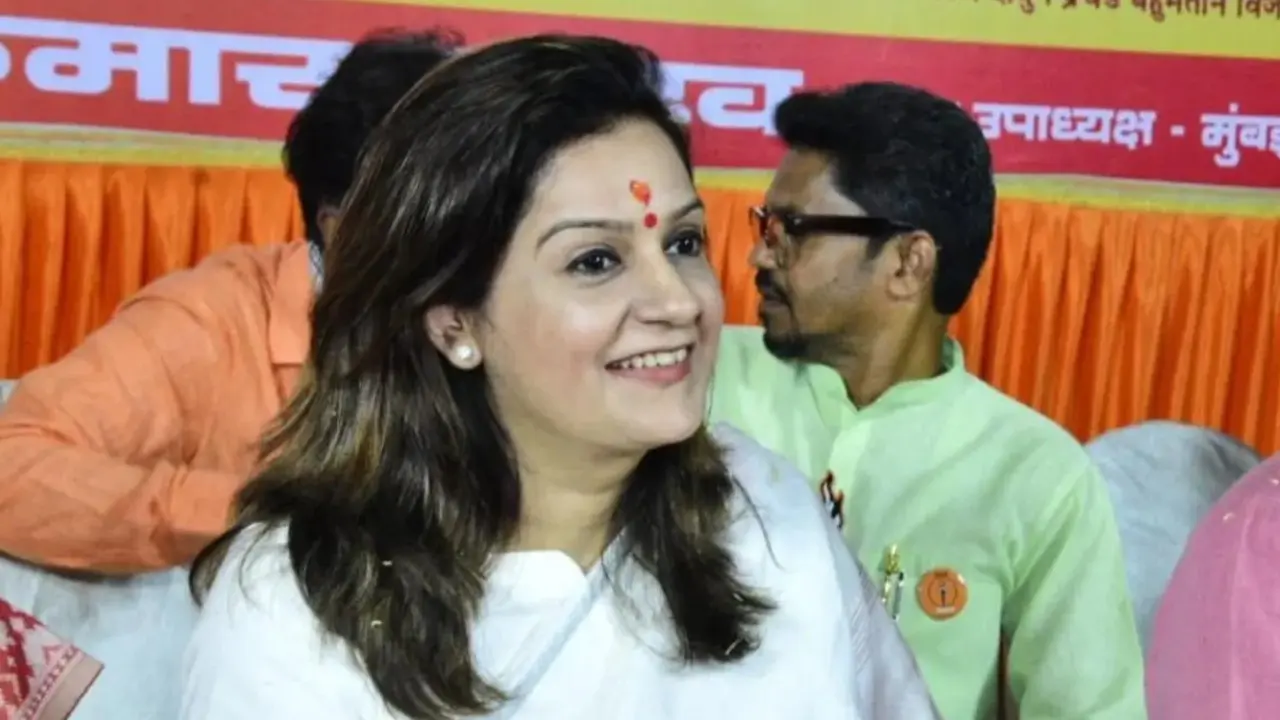
Priyanka Chaturvedi. File Photo
Shiv Sena (Uddhav Balasaheb Thackeray) leader and former MP Priyanka Chaturvedi has reiterated her demand for a 50 per cent increase in the strength of the Lok Sabha, proposing that its current 543 seats be expanded to around 815. She said the move would create greater democratic space for women without reducing the representation of existing members or communities.
This has been my personal position, and it will continue to be so, irrespective of what the gatekeepers think or how much they choose to troll me for it. I have written about it, argued for it in Parliament and will continue to stand by it. Let us remember some history. The Women’s Reservation Bill was first introduced in 1996. For nearly 27 years, it remained hostage to political disagreements, procedural obstacles and competing demands. My reading of this prolonged resistance is simple: beyond the arguments made publicly, there was an uncomfortable question that few were willing to confront. Who was prepared to give up political space to make room for women? In September 2023, Parliament finally passed the Constitution (106th Amendment) Act. The Lok Sabha voted 454-2 in favour, while the Rajya Sabha passed it with 214 votes in favour and none against. This was a moment of overwhelming parliamentary consensus. But there was a crucial condition. Implementation was linked to the publication of the Census figures after the Act’s commencement and a subsequent delimitation exercise. 2029 became the anticipated timeline, not a constitutionally guaranteed date. Now, look at the larger question. The Lok Sabha currently has 543 elected seats. A 50% expansion would take its strength to approximately 815. This is not merely about accommodating women’s reservation. It is about expanding the democratic space available to a growing population. It is also an opportunity to address the legitimate concerns of both North and South India. A uniform expansion can protect existing state-level relative shares while adding representation, although the final allocation must be based on a transparent and equitable formula. A larger Parliament must also mean greater representation for SCs, STs, smaller communities, younger Indians and populations that deserve a stronger voice in our legislative process. My argument has never been that women’s representation should come at the cost of anyone else’s representation. It is precisely the opposite. We should be creating more democratic space, not asking women to wait for someone to vacate theirs.
— Priyanka Chaturvedi?? (@priyankac19) November 27, 2026
Trending Stories
Latest Photos
Latest Videos
Latest Web Stories
ADVERTISEMENT
Mid-Day Fast
ADVERTISEMENT