Home / News / India News / Article /
Mumbai-Ahmedabad bullet train project introduces movable crossings for 320 kmph operations
Updated On: 22 September, 2026 06:29 PM IST | New Delhi | mid-day online correspondent
At speeds above 250-300 kmph, conventional fixed crossings can create higher dynamic forces because of the gap at the crossing nose. The project details state that this discontinuity can increase vibration and structure-borne noise while accelerating wear on wheel flanges and crossing components





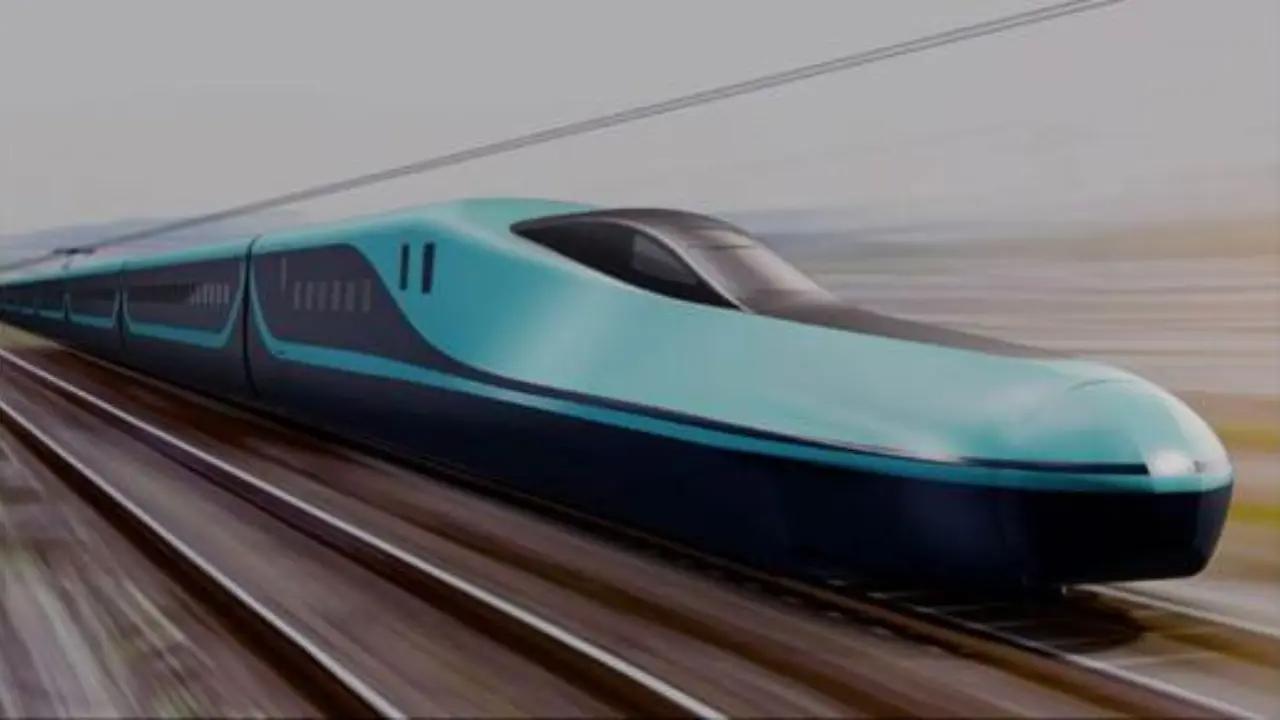
Movable crossings eliminate the gap at the crossing nose to provide a continuous rail surface for high-speed trains. Representational pic
The Mumbai-Ahmedabad High-Speed Rail (MAHSR) project is introducing turnouts fitted with movable crossings, also known as swing-nose crossings, for the first time on the Indian railway network. The technology is designed to support safe and reliable train operations at speeds of up to 320 kmph.
According to an ANI report citing an official statement, the technology is being adopted as a key component of the high-speed rail system and differs from the fixed-crossing turnouts used on conventional railway lines.
Trending Stories
Latest Photos
Latest Videos
Latest Web Stories
ADVERTISEMENT
Mid-Day Fast
ADVERTISEMENT