Home / News / India News / Article /
Nipah virus: Six suspected patients test negative
Updated On: 06 June, 2019 12:50 PM IST | Kerala | mid-day online desk
The condition of the college student, diagnosed with Nipah infection, is stable and a total of 314 persons who were in touch with the infected person have been kept under observation, the official said





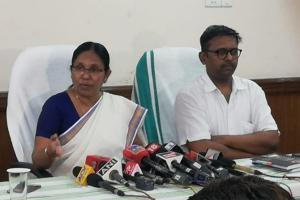
Pic courtesy/Twitter/ANI
New Delhi: Six persons admitted to a quarantine facility at the Government Medical College in Kerala's Ernakulam have tested negative for the potentially deadly Nipah virus, a senior Health Ministry official said on Thursday. The condition of the college student, diagnosed with Nipah infection, is stable and a total of 314 persons who were in touch with the infected person have been kept under observation, the official said.
Kerala Health Minister, K K Shailaja Teacher: 7 patients are admitted to hospital, one patient's result is positive for Nipah virus. 6 patients' results are negative. No one has been discharged from isolation ward. Source of virus is not confirmed yet. pic.twitter.com/R42O1BkqzF
— ANI (@ANI) June 6, 2019
Kerala Health Minister K K Shailaja: The patient who has been admitted to hospital who is positive with #Nipah Virus is stable now. Only 5 patients are admitted to isolation ward, including the one who has been tested positive. pic.twitter.com/FjnbyL1T7x
— ANI (@ANI) June 5, 2019
"The blood and serum samples of all six suspected patients have tested negative for Nipah virus infection," the official said. The Union Health Ministry has deployed a six-member team comprising an epidemiologist to conduct contact tracing for early detection of suspects and review of isolation facilities. Union Health Minister Harsh Vardhan, who reviewed the public health measures put in place in Kerala on Wednesday, said the situation is under control and people need not panic. During the review meeting, the Centre also discussed SOPs for quarantine of symptomatic contacts, sample collection or testing and dedicated isolation facility with trained health staff and epidemiological investigation by multi-disciplinary central team to ascertain the possible source of infection and history of exposure.


Trending Stories
Latest Photos
Latest Videos
Latest Web Stories
ADVERTISEMENT
Mid-Day Fast
ADVERTISEMENT