Home / News / India News / Article /
DNA left by large carnivores at livestock kill sites could help in human-wildlife conflict: Study
Updated On: 08 May, 2025 04:38 PM IST | Mumbai | A Correspondent
Researchers at National Centre for Biological Sciences (NCBS), in collaboration with Panthera and the Madhya Pradesh Forest Department, investigated 198 kill sites across two of Central India's key tiger habitats. At each site, they collected non-invasive genetic samples—saliva, scat, and shed hair—as potential sources of predator DNA





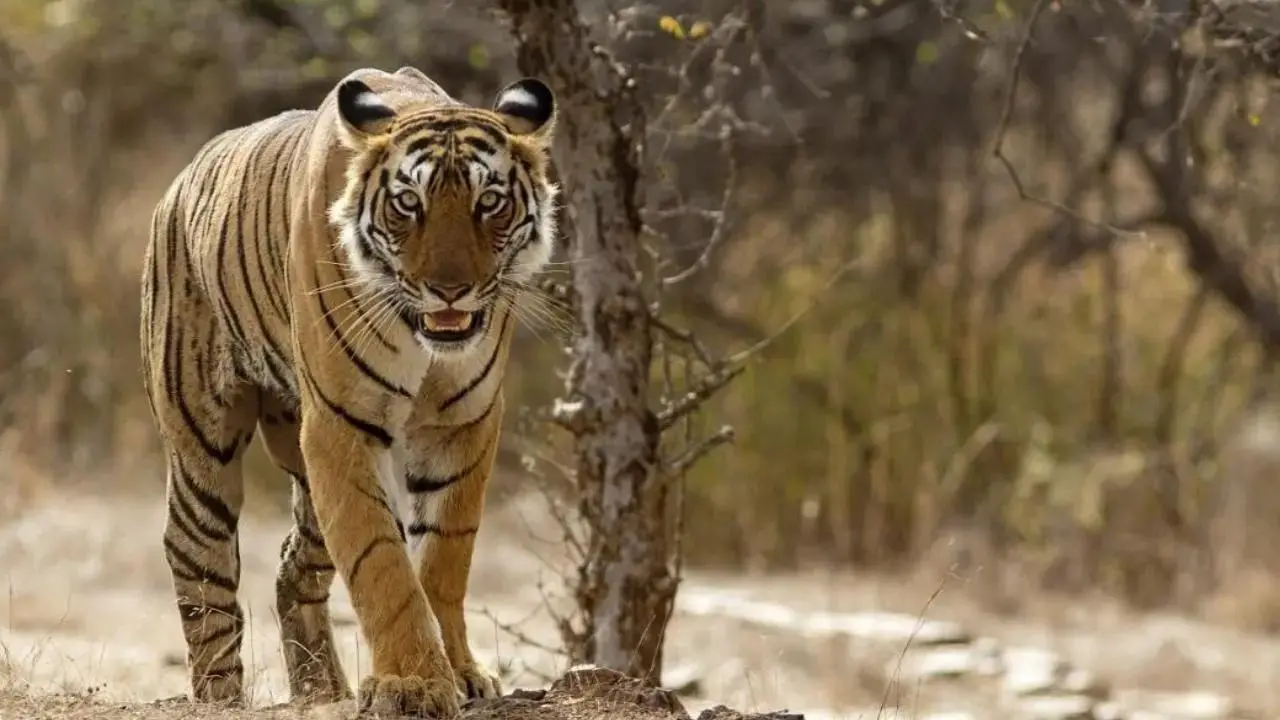
For wildlife managers and conservationists, the method adds a reliable, evidence-based tool to help address predator-livestock conflict while contributing to long-term predator monitoring. Representational Pic/File
In a recent study published in Biological Conservation, researchers from Prof. Uma Ramakrishnan’s group at the National Centre for Biological Sciences (NCBS), Bengaluru, have shown that trace DNA left by large carnivores at livestock kill sites can be used to reliably identify individual predators.
The interesting part is that this approach offers a powerful tool to effectively manage human-wildlife conflict and understand predator behaviour and ecology.
Trending Stories
Latest Photos
Latest Videos
Latest Web Stories
ADVERTISEMENT
Mid-Day Fast
ADVERTISEMENT